- Category
- World
Digital Marketplaces Block Fuel Resellers as Shortages Hit Moscow
 Prefer U24 Media on Google
- Authors

-c439b7bd9030ecf9d5a4287dc361ba31.jpg "Photo of Katherina Popilnichenko")
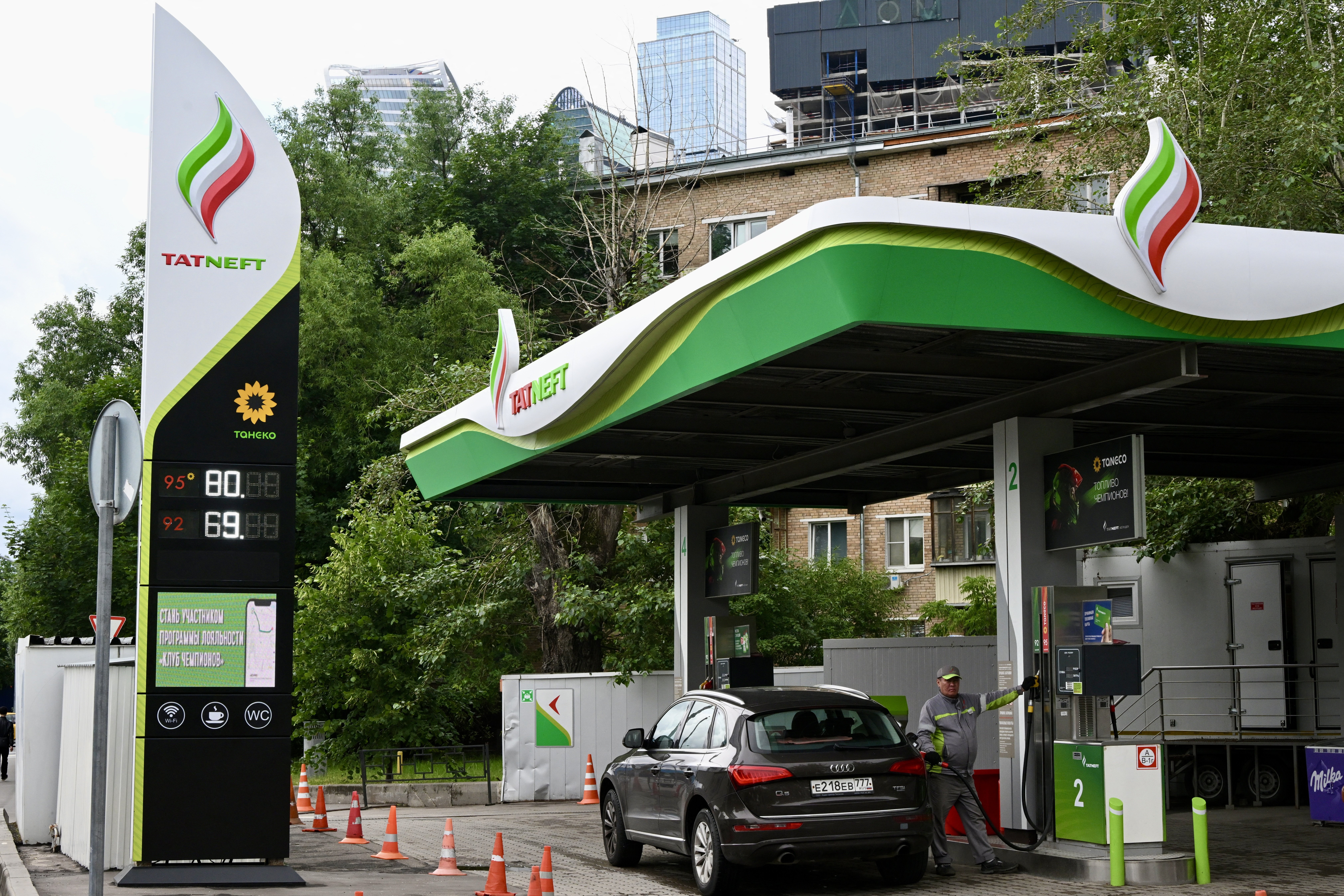
Russian digital platforms have begun blocking advertisements for the resale of gasoline on popular marketplaces, including Avito, Ozon, and Wildberries, amid a deepening domestic fuel crisis.
The Federal Antimonopoly Service stated that it is actively collaborating with digital platforms to prevent speculative fuel resales. There has been a recent surge in listings for gasoline and diesel fuel on trading platforms due to supply disruptions, with some market participants purchasing fuel specifically for resale, according to The Moscow Times on June 22.
We bring you stories from the ground. Your support keeps our team in the field.
The marketplace Avito has temporarily hidden advertisements for fuel trading while it updates the rules for the category. Last week, a search for "Gasoline" on Avito displayed 740 listings, with more than 400 marked as private listings and the remainder from corporate entities.
Meanwhile, Ozon and Wildberries have completely banned fuel sales, with attempts to publish advertisements being blocked during the moderation phase before becoming visible to the public.
The restrictions come as fuel prices spike across the country, particularly in the capital area. Between June 15 and June 19, the average price of gasoline in the Moscow region grew sharply.
Data indicates that from March until June 15, AI-95 gasoline in Moscow increased by 0.05 to 0.5 rubles ($0.0007 to $0.007) per liter weekly, but last week the price jumped by 1.76 rubles ($0.024), reaching 75.33 rubles ($1.02) per liter.
AI-92 gasoline in the capital rose by 2.07 rubles ($0.028) to 67.95 rubles ($0.92) per liter, compared to previous weekly increases of 0.1 to 0.5 rubles ($0.001 to $0.007).
The most severe disruptions are concentrated in occupied Crimea, where fuel sales to citizens and businesses were completely halted following strikes on oil depots.
Following a widespread Ukrainian campaign on Russian oil refineries, fuel restrictions in Russia expanded to a federal scale as major gas station chains, controlling roughly a quarter of the country’s filling stations, limited the sales of gasoline and diesel.
According to research by the media outlet Agentstvo, restrictions of varying severity were recorded in more than 70 Russian regions, including Moscow, the Moscow region, St. Petersburg, Kursk, Belgorod, Rostov, and Samara regions.
This fuel shortage prompted Russia’s largest market players to urgently reduce sales volumes in order to contain panic buying among drivers, ultimately affecting at least 7,000 gas stations out of nearly 29,000 operating nationwide.
Discuss this article:




-111f0e5095e02c02446ffed57bfb0ab1.jpeg "Photo of Roman Kohanets")
-a1738cb523135070a26ed61c09a8eb5e.jpg "Police stand in front of the Russisches Haus in Berlin, Germany. (Source: Getty Images)")
-72b63a4e0c8c475ad81fe3eed3f63729.jpeg "Photo of Cyril Barabaltchouk")