- Category
- Latest news
Overwhelmed by Ukrainian Drones, Russia Bolts Infantry Missiles Onto Attack Helicopters
 Prefer U24 Media on Google
- Authors


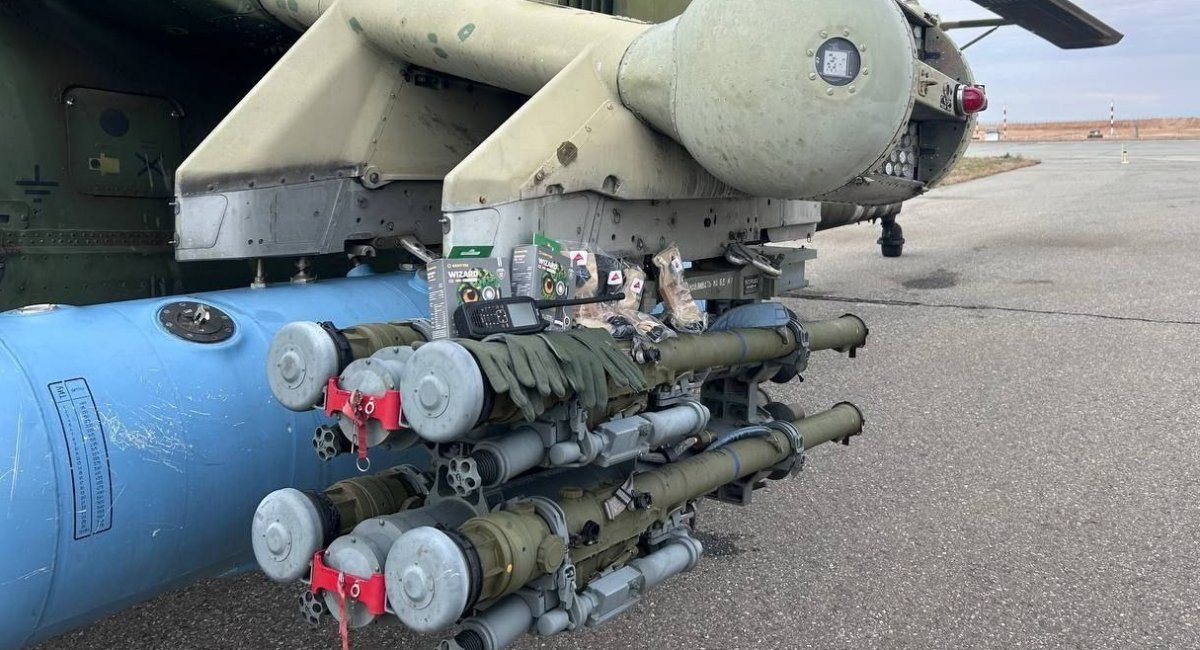
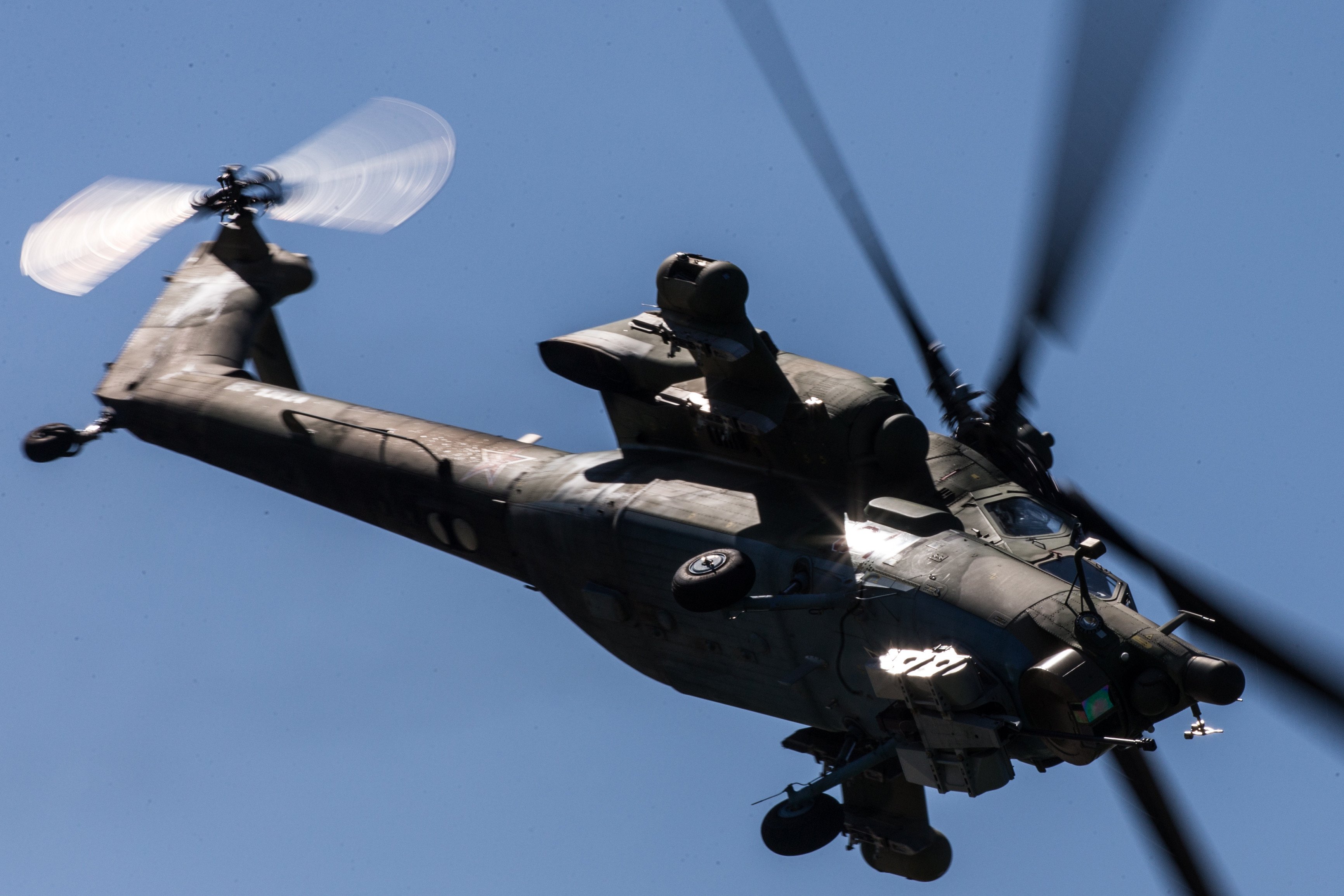
Russia has begun outfitting its Mi-28N attack helicopters with portable air defense missile systems typically used by infantry, according to a report by Defense Express on October 22.
The system, known as Strelets, is designed to launch Igla-type missiles and is believed to be intended for use against Ukrainian long-range drones.
Defense Express reports that pro-Kremlin media recently published images showing the Strelets module installed on a Russian Mi-28N helicopter.
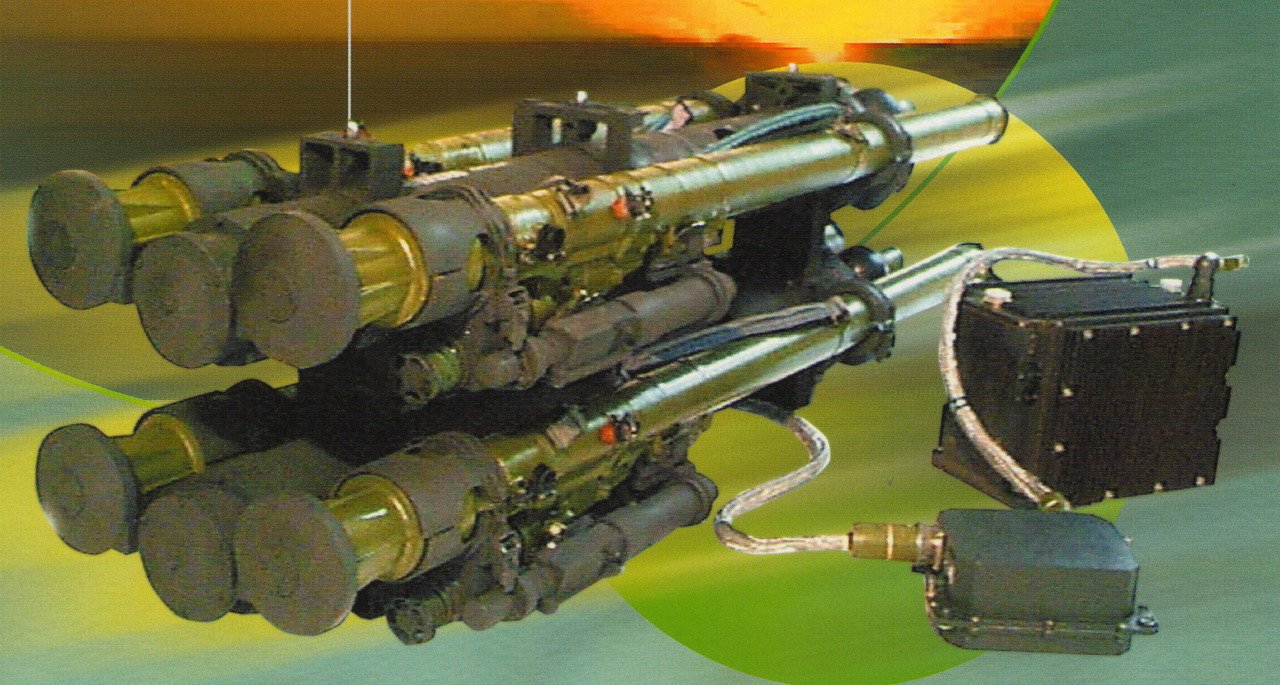
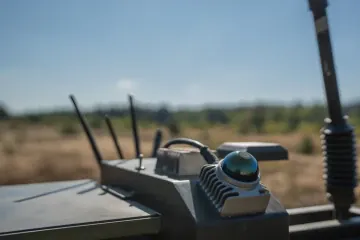
The module includes four launch tubes and is a standard platform for firing Igla missiles from land, sea, or air vehicles, including helicopters like the Mi-28N and Ka-52.
The report notes that while such configurations are not new in Russian or Ukrainian aviation, their use in drone defense marks a shift in operational tactics.
Attack helicopters have typically relied on onboard cannons to intercept aerial threats. The addition of missile-based solutions suggests a possible attempt to increase the likelihood of striking faster or more elusive targets, despite higher operational costs.
According to Defense Express, the Strelets system uses modified launch tubes similar to those employed in infantry versions of the Igla MANPADS.
The key difference lies in the external power and cooling modules, which allow remote operation from an airborne platform. The system also supports salvo launches when multiple modules are installed.
-bae9b20ff70f81d1a8c5b1f55f7f271d.jpg)
The effectiveness of using infrared-guided missiles like the Igla against small unmanned aerial vehicles remains unclear. Ukrainian drones often have low thermal signatures, which can make them difficult targets for heat-seeking missiles. However, newer versions of the Igla system may be more capable in this regard, the outlet adds.
In prior analyses, Defense Express has discussed similar developments in Western systems, such as tests by Airbus and Thales using guided rockets for counter-drone operations. In those cases, laser-guided 70mm rockets were employed from unmanned helicopters.
The current deployment of the Strelets system on Russian helicopters has not been confirmed by independent observers, and the report characterizes the drone-defense role as a likely interpretation based on available imagery rather than an official announcement.
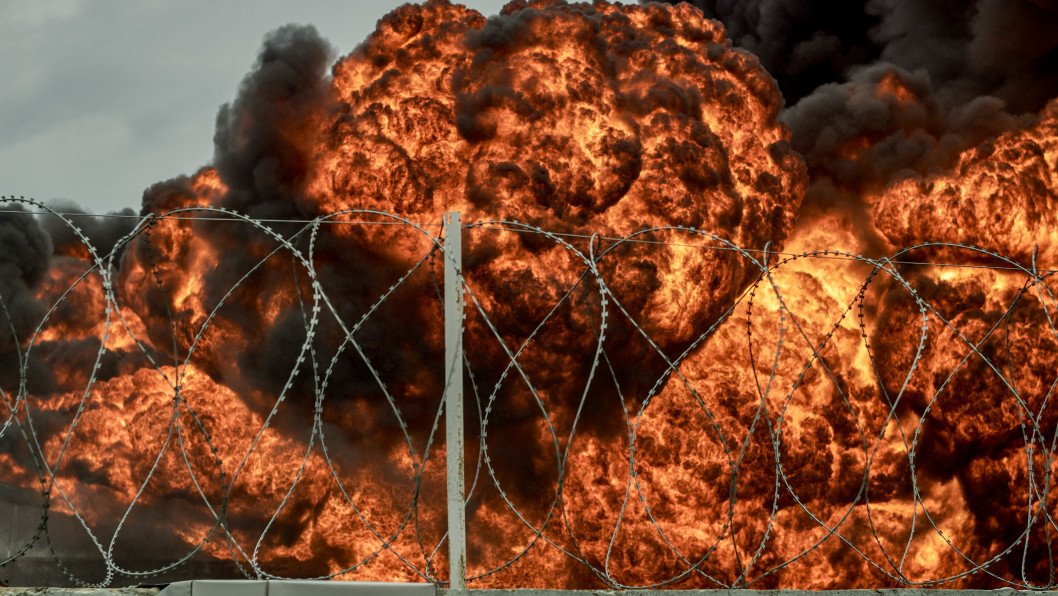
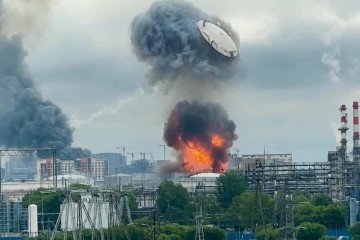
Earlier, The Moscow Times reported that Ukrainian drone strikes had disabled nearly 40% of Russia’s oil refining capacity, forcing widespread refinery shutdowns and triggering the country’s worst fuel crisis in decades.
By late September, about 338,000 tons of crude per day were offline, with major facilities in Leningrad, Ryazan, and Astrakhan regions among those hit.
Discuss this article:
-8321e853b95979ae8ceee7f07e47d845.png)

-72b63a4e0c8c475ad81fe3eed3f63729.jpeg "Photo of Cyril Barabaltchouk")



-111f0e5095e02c02446ffed57bfb0ab1.jpeg "Photo of Roman Kohanets")