- Category
- Latest news
Setback for Moscow’s “Eyes in the Sky”: A-50 AWACS Production Faces Delays Amid Heavy Losses
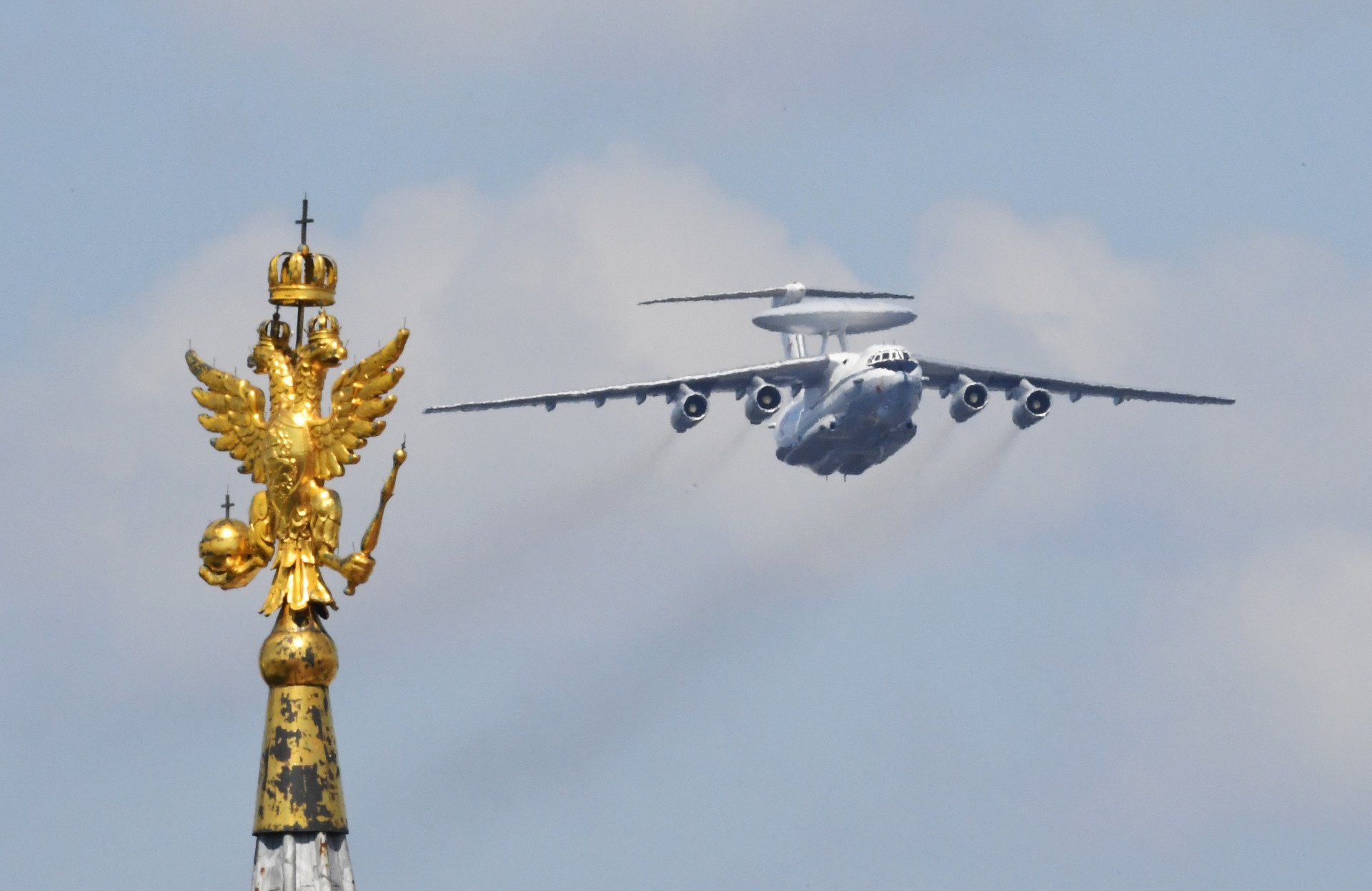
Russia’s airborne radar program has suffered another setback as the country struggles to modernize its fleet of A-50 early warning and control aircraft—known as Moscow’s answer to the US E-3 Sentry.
 Prefer U24 Media on Google
- Authors


Russian United Aircraft Corporation (UAC) has once again postponed a decision on launching serial production of the A-50, citing technical hurdles and ongoing development delays, according to Russian media 1.ru on September 15.
“There is no decision on the serial production of the A-50 at this stage,” Sergey Korotkov, general designer and deputy general director of UAC, said.
🇷🇺‼️🚨 BREAKING: The plane type is finally confirmed.
— Lord Bebo (@MyLordBebo) February 23, 2024
It is a A-50 EWACS plane. https://t.co/LIEz7AsGkV pic.twitter.com/NPzCfR90LB
“The decision will be made only after ongoing development work is completed.”
The announcement underscores Russia’s mounting difficulties in sustaining one of its most vulnerable and strategically important platforms.
The A-50, a Soviet-era design, is meant to provide airborne radar coverage over battlefields. But the war in Ukraine has laid bare its weaknesses.
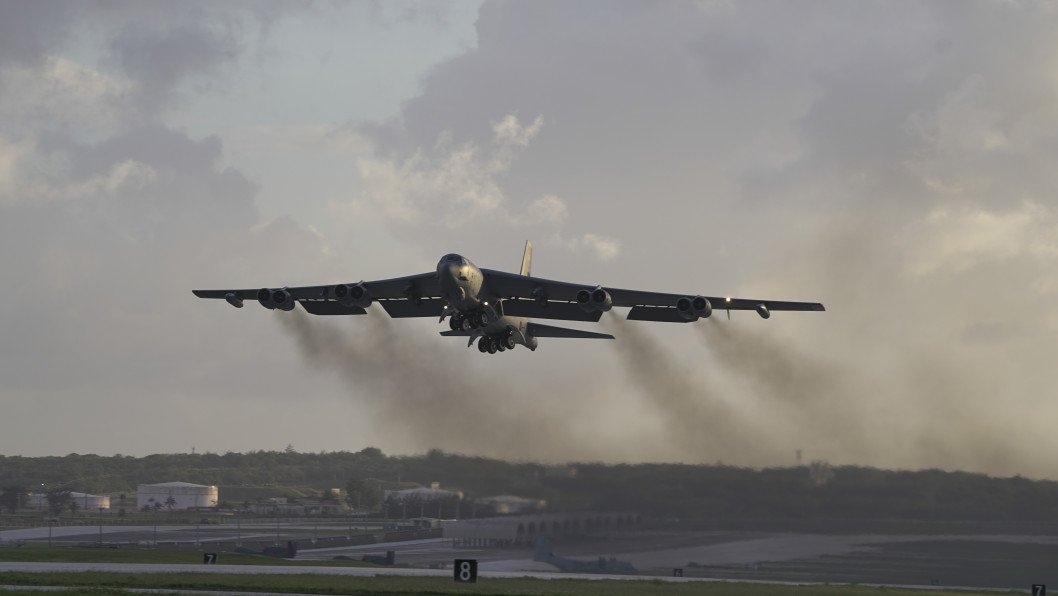
Ukraine’s Spiderweb strikes A-50s
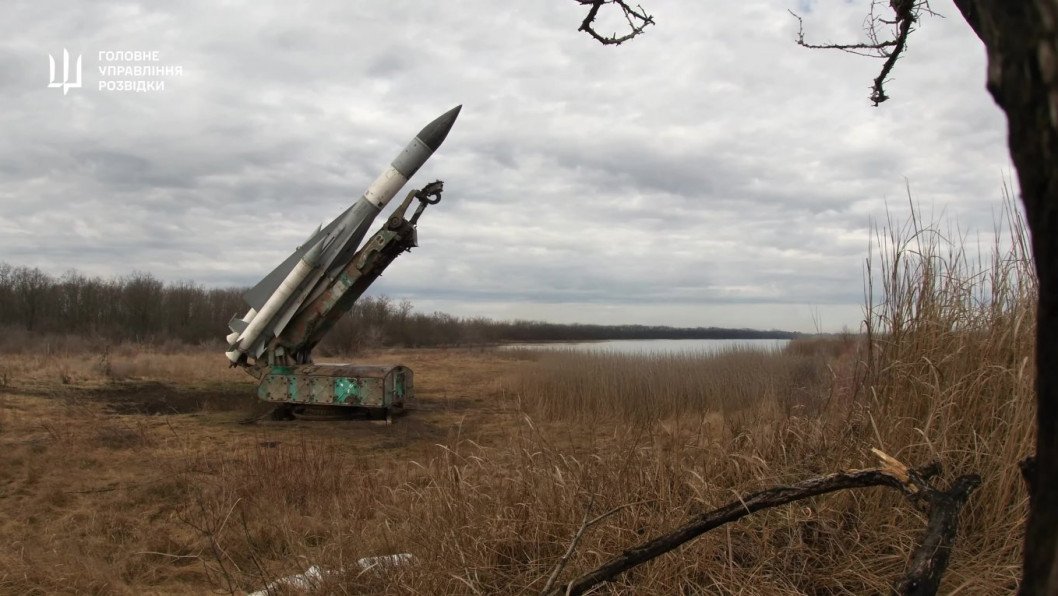
Unlike Western counterparts, the lumbering aircraft is highly exposed in contested airspace, where advanced air defense systems can bring it down.
Ukraine has already proven that point. In 2024, Kyiv’s forces shot down two A-50s. Three were damaged more in drone strikes on Russian and Belarusian airbases, including during Operation Spiderweb and on Machulishchy and Ivanovo airbases.
Another strike reportedly hit the Beriev Aircraft Company in Taganrog, where the planes are built and serviced.
A-50 fleet cut to seven
The losses are a serious blow. According to open-source estimates, Russia has just seven operational A-50s left, with one more undergoing major repairs.
Retired Beriev A-50 AWACS at Severny Airfield in Ivanovo Russia, used as spare parts for the other active A-50. In total, around 40 such AWACS aircraft were produced in the USSR, with 3 being sold to India. pic.twitter.com/RFEOe6sIy1
— B-AREV (@trip_to_valkiri) February 25, 2024
That pales in comparison to other global powers: the United States operates 31 AWACS aircraft, China 28, the EU 27, Japan 17, and Israel 7.
Sanctions stall radar upgrades
Technical problems add to the crisis. Sanctions and export restrictions have cut off Russia from key radar and electronics components, complicating modernization efforts. Meanwhile, newer platforms from China and India already surpass the A-50 in capability and market appeal.
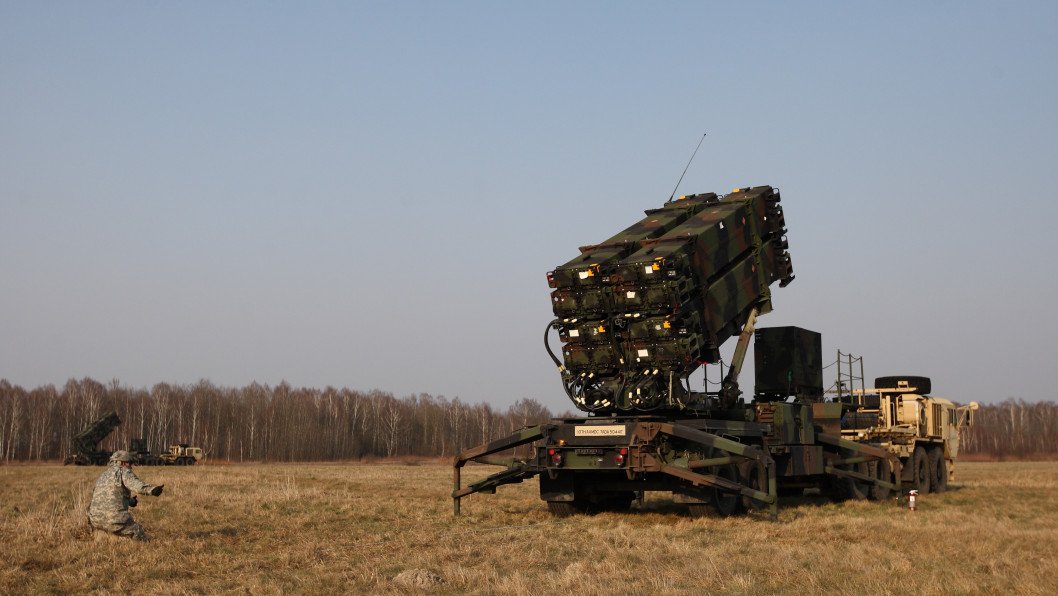
Despite the setbacks, Russian commanders continue to stress the importance of early warning planes for battlefield awareness.
The A-50’s Shmel-M radar can track armored columns up to 250 kilometers away in all weather conditions and detect incoming precision-guided bombs like the US-made GBU-39/B from as far as 270 kilometers.
The Main Directorate of Intelligence of the Ministry of Defence of Ukraine confirmed the downing of a russian A-50 aircraft. pic.twitter.com/sTpwm8LRWf
— ✙ Albina Fella ✙ 🇺🇦🇬🇧🇫🇷🇸🇪🇩🇪🇵🇱🇨🇦🇦🇺 (@albafella1) February 23, 2024
Earlier, reports emerged that Russia’s Su-57 fighter jet, which has long been advertised by Moscow as the crown jewel of its military aviation, was delivered to the Russian military in stripped-down form—missing critical targeting subsystems—and at inflated costs.
The Russian Ministry of Defense paid more than $37 million per aircraft under a 2019 agreement with Sukhoi, even though the jets were delivered without the 101KS-N electro-optical targeting subsystem—an omission formally approved through contract amendments.
Discuss this article:


-c439b7bd9030ecf9d5a4287dc361ba31.jpg "Photo of Katherina Popilnichenko")