- Category
- Life in Ukraine
What Happens When Burnout Hits a Volunteer in the Middle of a War
“Sometimes I burn out. Sometimes I collapse. But I always come back.” For many in Ukraine, volunteering isn’t a choice. It’s survival, even when the strength runs out. Now, the country is building spaces to help them recover.
 Prefer U24 Media on Google
- Authors


When Russia launched its full-scale invasion in 2022, Ukraine faced an immediate humanitarian crisis. Around 18% of the country’s territory remains under occupation, affecting millions of people. In response to rapid changes on the front lines and the significant needs of both military and civilian populations, the volunteer movement has expanded to a scale rarely seen in modern conflicts.
According to data from the Ukrainian Volunteer Service, 74% of Ukrainians have volunteered at least once since 2022. Civilians organized evacuations, delivered aid under shellings, repaired vehicles and drones, supported displaced families, and also worked undercover in occupied territories.
Their motivation was simple: visible impact, community solidarity, and the trust of those they supported. But this level of involvement comes with a cost—one that is becoming increasingly difficult to ignore.
Volunteer burnout in Ukraine
Volunteer burnout in Ukraine is complex and often invisible. It stems from prolonged stress, exposure to trauma, moral responsibility, and the emotional burden of working in a country at war.
Reports show high stress levels among volunteers, especially those near the frontlines or in newly liberated areas. Many face the same psychological pressures as first responders:
chronic fatigue,
survivor’s guilt,
emotional exhaustion,
lack of boundaries,
repeated exposure to loss.
Yet burnout is still a topic many volunteers avoid discussing. In a culture built on resilience, asking for rest can feel like a luxury.
To address this, new initiatives across Ukraine are focusing on mental health support — retreats, group sessions, community-building exercises, safety training, and physical recovery programs. These initiatives aim to sustain not only volunteers’ work, but also their well-being.
The Ukrainian Volunteer Service has held a series of new retreats for those who work in frontline areas, help children and teenagers, and raise funds to support the military.
Fighting burnout while helping others
Over 140,000 kilometers
Tatiana Podchernina leads the charity organization Kharkiv Aid Headquarters, a team that works for Ukrainian military forces, children's shelters, rehabilitation centers, and hospitals in Kharkiv and Zaporizhzhia.
“We provide a wide range of assistance,” she says. “From vehicles, drones, and generators to fully equipping the living quarters for brigades going on rotation.”
Her team's mission covers everything from repairing vehicles for the Ukrainian Armed Forces, purchasing communications equipment and medical supplies, to humanitarian aid shipments from the Netherlands. Local partners donate furniture, mattresses, washing machines, dryers, gas stoves—everything that helps soldiers recover between deployments.
“So that the guys can just come home, wash their clothes, dry them, sleep, and eat,” says Tatiana.
The team keeps in touch with many combat units and provides regular assistance: when soldiers return from positions, the organization provides them with the necessary equipment and everyday items.
Before the war, Tatiana worked as a personal trainer. The full-scale invasion destroyed everything: most of her clients and friends left, and the gyms emptied. She was unable to return to her sports career.
“I just couldn't take responsibility for gathering people in the gym when a missile could hit it. It was beyond me,” says Tatiana.
Tatiana immersed herself in volunteer work with her friends in the first days of the invasion: evacuations, deliveries, trips to other countries, and the front line. Her life became one long journey.
-a2a5e9c9c8682c0d90a89c3b327af483.png)
“In 2022, I drove more than 140,000 kilometers. Some cars don't drive that much in decades,” she smiles. The trips were daily: to Lviv and back, to the front, to logistics bases.
Now Tatiana makes most of the trips herself, and volunteer drivers take turns — whoever is free. Many of them have already been mobilized into the army. Some of the team are veterans who returned after being wounded and continued to help.
The work has become much more dangerous.
“Previously, we could drive up to two kilometers from the front line,” she says. “Now this is impossible due to FPV drones, ambushes, and fiber-optic corrections. We keep our distance at 20–30 kilometers.”
Transfers mostly take place at neutral points—a safer option for both volunteers and the military.
Despite having a team of 10–15 activists who help with unloading and preparing medical kits, volunteering has become Tatiana's main activity.
“My life now consists of documents, accounting, logistics, requests, cars, and trips,” she says. “I don’t even have enough resources to go to the gym.”
She is almost completely detached from a peaceful life. “I communicate with the military every day. This is my environment. My girlfriends have moved away, some have children, some have careers. I continue to live in a different reality.”
Tatiana decided to attend a retreat for volunteers organized by the Ukrainian Volunteer Service thanks to her friend Nadia from Lviv:
“Nadia always said, ‘You need to get out of Kharkiv at least a little.’ In Lviv, I found a second home with Nadia—a place where I can sleep and relax.”
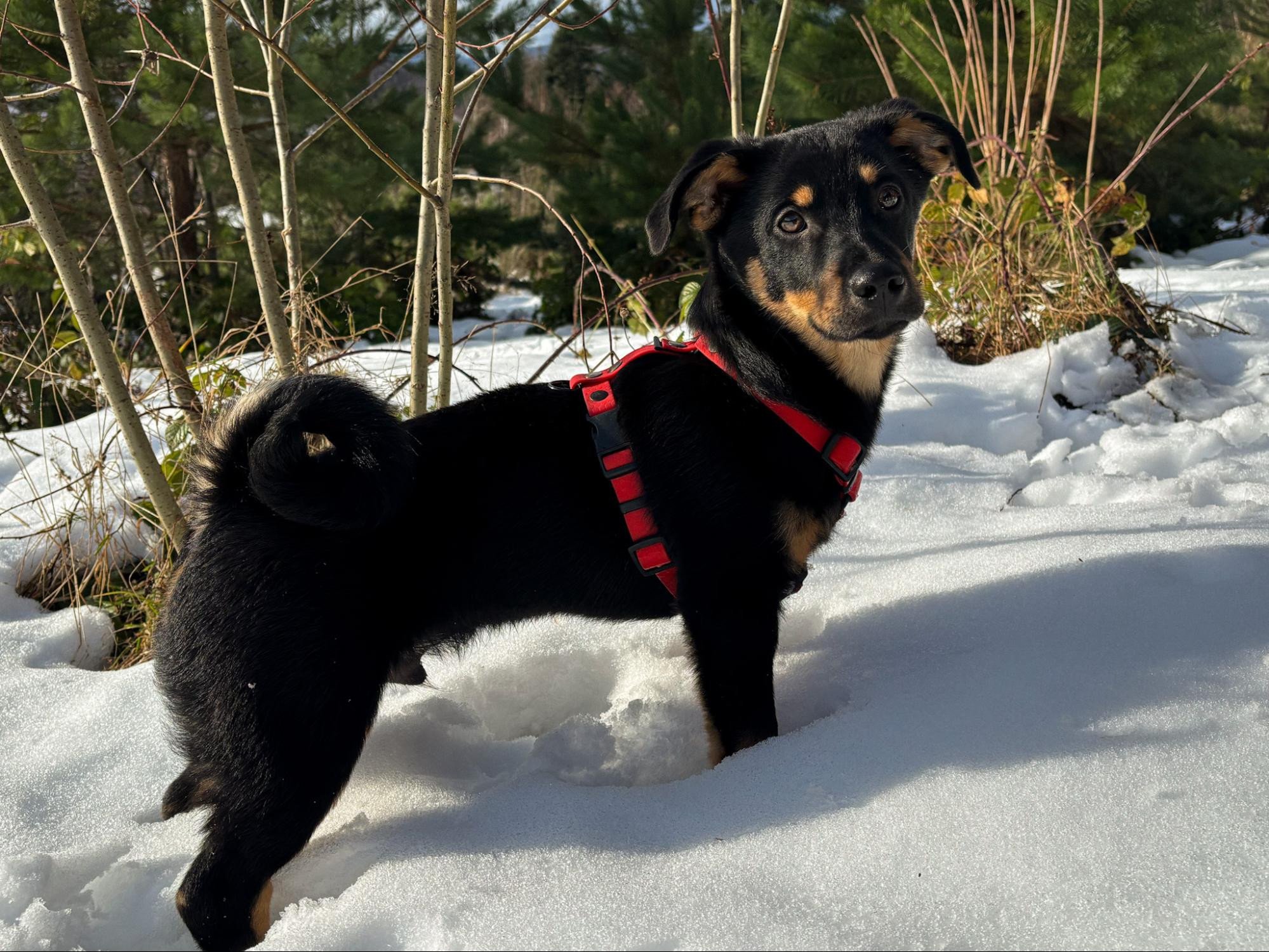
She decided to apply for the retreat at the last minute. Not only did her work get in the way, but also her responsibility for her puppy, Sam. He was evacuated from Kupiansk, where he was under shelling, and now has epileptic seizures.
The final straw was a letter from the organizers: Tatiana could bring her dog.
When “I” becomes a “we”
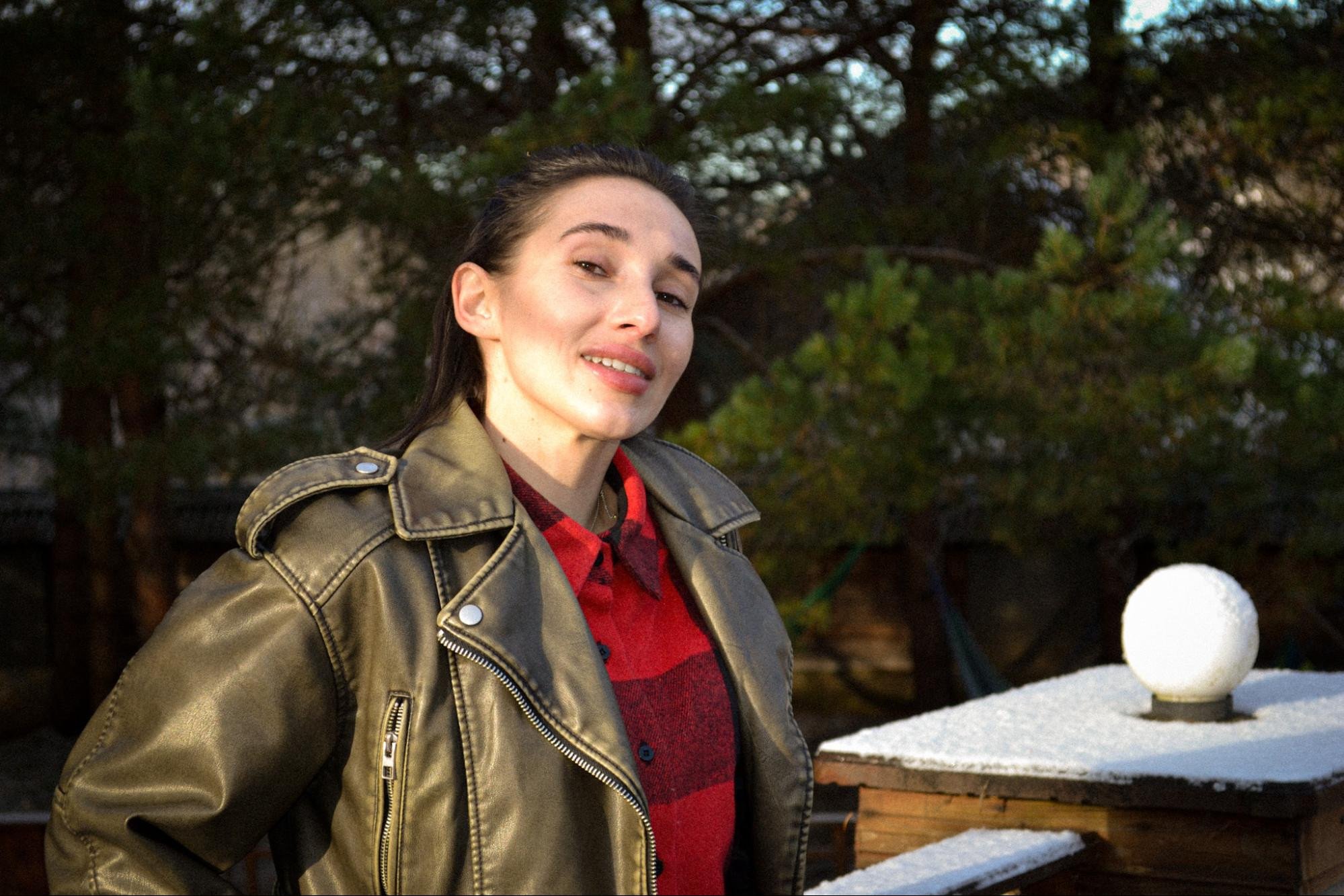
For Diana Shakirova, a Crimean Tatar from Kerch who now lives near Kyiv. Her answer to the question “Who are you?” comes almost automatically: a volunteer. She says she has always been one, long before 2022. Her friends and relatives joined forces to form a volunteer team after the full-scale invasion began, but each of them had been helping individually since Russia’s invasion of Ukraine in 2014.
Diana is now strengthening the team of the Irpin Volunteer Movement charity fund.
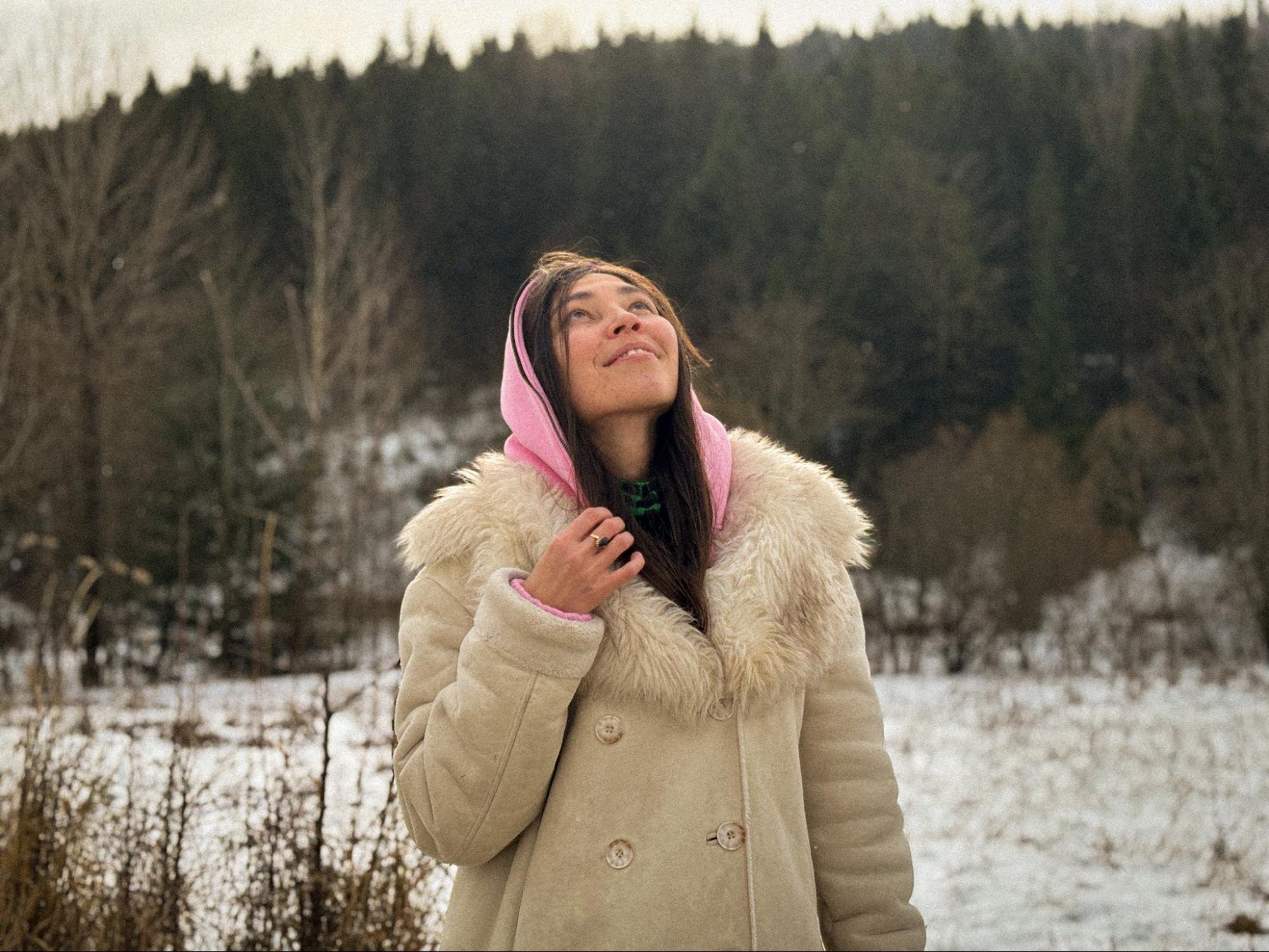
Diana admits that it is still difficult for her to say “I” because, since the beginning of the war, everything has been done as “we.” She has no time for a personal life, but volunteering is her drive. She laughs that sometimes she burns out, sometimes she collapses from exhaustion, but she always comes back because this work nourishes her.
Her position on Russia is categorical and based on her family's experience: no negotiations. She is the sixth generation of Crimean Tatars whose lives have been shattered by the Russian regime. In 2014, she lost her home in Crimea and was unable to go to her grandmother's funeral. In 2022, she nearly lost her mother and brother during a Russian attack. For her, this struggle is not a political metaphor, but the reality of a family that loses again and again.
The retreat itself was her first real “breath of fresh air” in four years. She recalls the moment she received the invitation: the team called her while she was in Zaporizhzhia testing the Radio Electronic Warfare system. The military even thought the call was about testing their systems.
She laughed and said, “You have no idea where you've called.”
-5899da8256b6f0b5d57fb8788be3a98a.jpg)
Diana's team has been helping both soldiers and civilians since the first day of the full-scale war. They began evacuations in Irpin and throughout the Bucha community—a vast area that required human resources and nerves of steel. The hardest part, says Diana, is rescuing those who don't want to be rescued. They had to call children, parents, neighbors—just to convince people to leave.
At the same time, the humanitarian aspect began to grow: food, hygiene, and basic needs. The team tried to help everyone they could, but it was too much — both physically and psychologically.
Diana emphasizes that people burn out not from the amount of work, but from phrases like “nobody needs what you are doing.” And also from unfair expectations, when the military “must follow protocol,” but in reality, some positions don’t even have food for weeks because there are no vehicles.
Therefore, the main requests now are for repairs to equipment, drones, and vehicles. It is often cheaper and more logical to repair an old car than to look for a new one that will be back at the service station the next day. Sometimes the guys say, “Half the car is gone after the drone, but the engine is alive — let’s do it.” And the team does the repairs.
“There are small victories in our work,” she says. “One of the youngest volunteers, Misha, always closes the fundraising campaigns at the most critical moments. When repairs are urgently needed, he gets things done without saying a word.”
Diana says that their volunteer “family” is growing, now numbering 14 people, and new members are still joining. Some of those who worked together in 2022 are now fighting in the war. And now they are the ones for whom the team is “on call.”
An outsider who came to help
Sean Huncherick, a freelance writer from Ohio, had spent years traveling and working remotely. At the beginning of 2022, he packed his bags and flew to Kraków, Poland, to travel around Europe. Ukraine was supposed to be his second destination, but then the full-scale invasion began, so he had to postpone his trip.
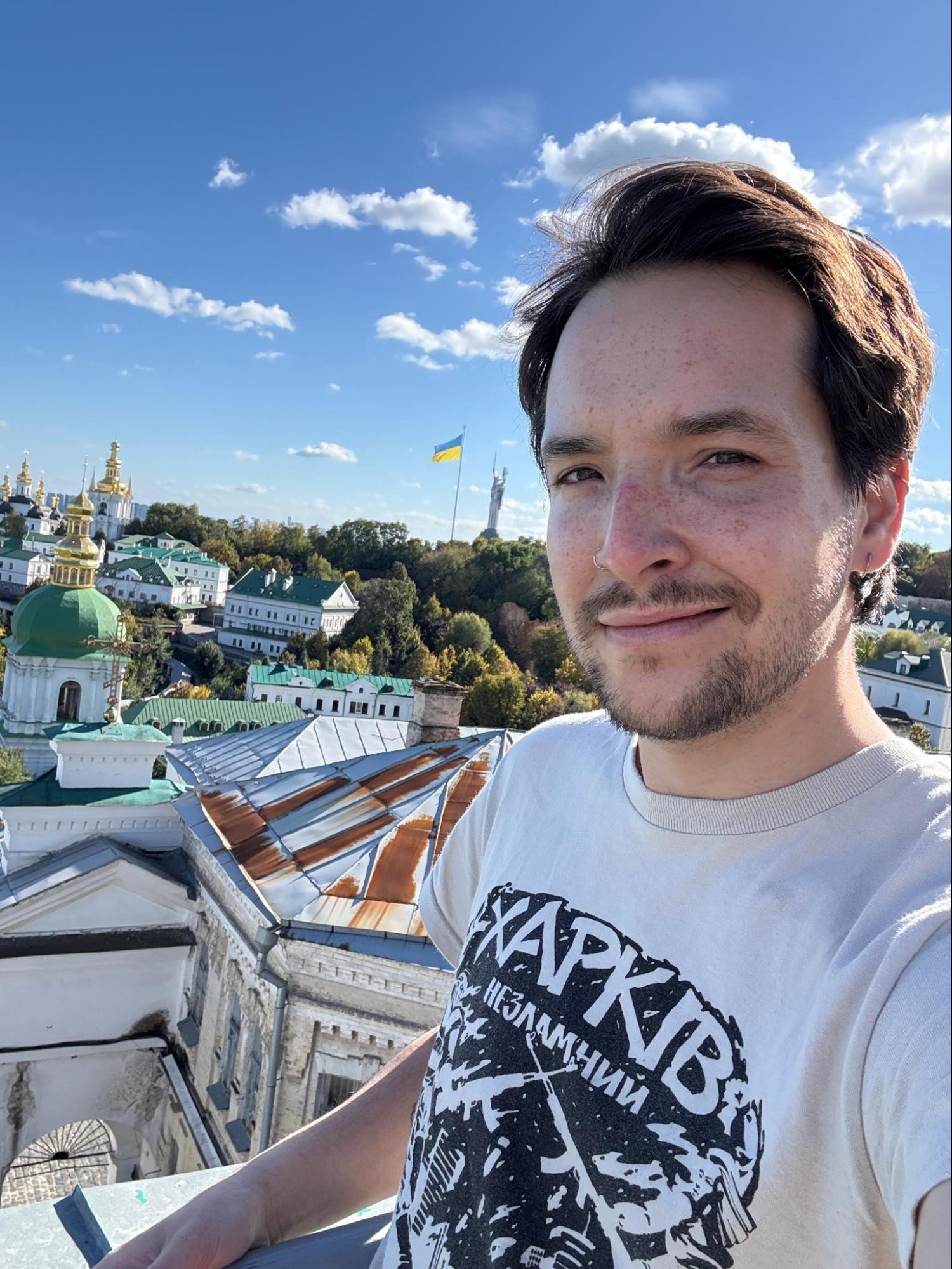
He learned more about Ukraine after the full-scale invasion, donating to an animal shelter he found online. “I thought it would be over quickly,” he admits. “Then I realized how serious everything was.”
Over time, he kept meeting Ukrainians abroad, and their stories stayed with him. By mid-2025, he understood he didn’t want to wait “until the war is over”—a moment no one can predict. So he booked a ticket, arrived in Lviv for what was supposed to be a short stay, and ended up spending three months in Ukraine.
His family was unexpectedly supportive. “They were proud. That surprised me,” he says. When he traveled to Kyiv and later to Kharkiv, the danger became a daily reality—drones, explosions, sleepless nights. “Of course, I was terrified. Even three months in, it never became normal. And it shouldn’t.”
Still, it wasn’t fear that shaped his experience the most—it was people. Sean quickly became part of the underground music scene, which pulled him into Ukrainian daily life and friendships. Seeing how young Ukrainians lived under constant threat pushed him to stay involved: “If anything, it made me want to do more. I didn't want people at home to stop paying attention to Ukraine.”
One morning in Kyiv, with no plans for the day, he was chatting with a friend at a Community Café when his friend invited him to volunteer at INBUT, an international construction camp run by Repair Together. The next day, he was already on a minibus to the camp in the Chernihiv region.
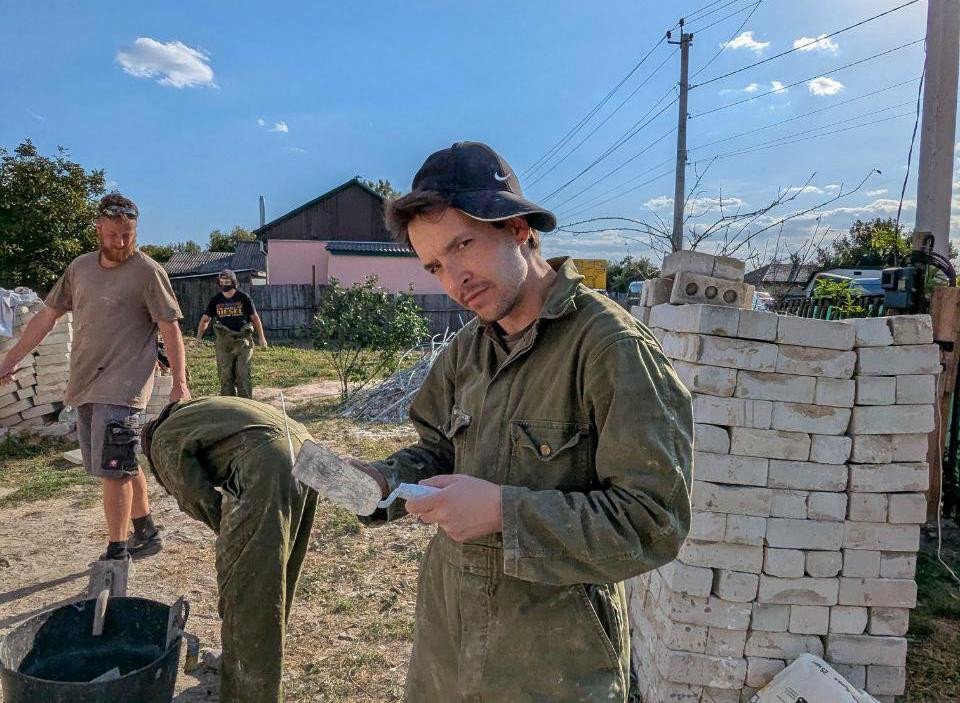
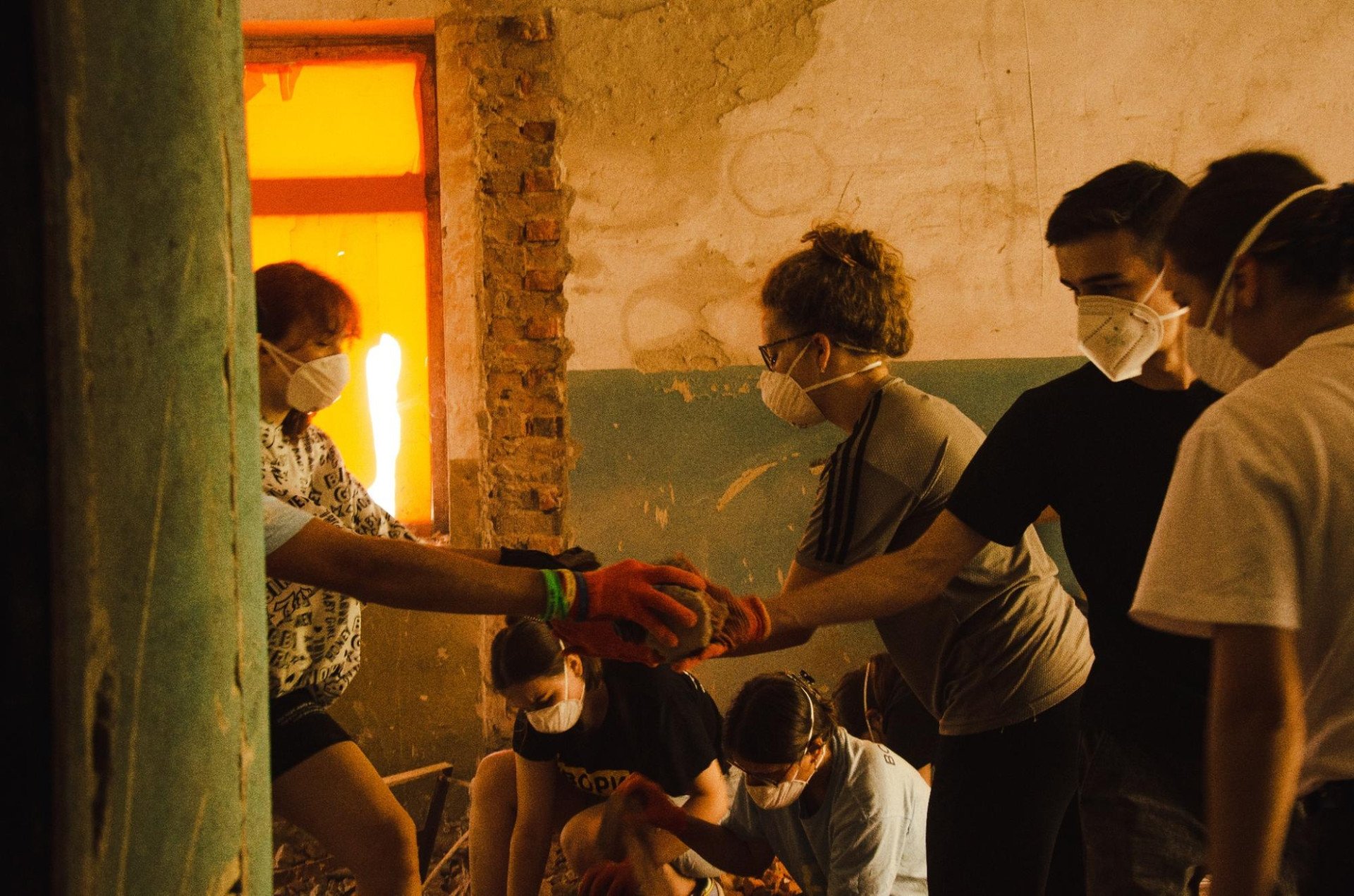
There, alongside Ukrainians and other foreigners, he helped rebuild a home destroyed during the occupation. He learned construction from scratch: setting up electricity, spackling walls, cooking for the volunteer camp, even juggling remote work between tasks.
He calls it one of the most meaningful experiences of his life: “You show up, and suddenly you’re part of something bigger than yourself. You’re helping a village near the Belarusian border rebuild. You realize even your small actions matter.”
Sean believes foreign volunteers can play a vital role in supporting Ukrainians emotionally as much as practically.
“When locals see that people travel from across the world to help them rebuild, it gives hope,” he says, “It shows they’re not alone.”
His message to people abroad who want to help but don’t know where to start is simple:
“First—just pay attention. Then find the thing you genuinely care about. For some, it’s animals, for others it’s culture or rebuilding. And if you can come, go to Lviv for a week. Start there. Ukraine will show you what to do next.”
Discuss this article:

-c439b7bd9030ecf9d5a4287dc361ba31.jpg "Photo of Katherina Popilnichenko")
-24deccd511006ba79cfc4d798c6c2ef5.jpeg "Photo of Louis Beaudemont")