- Category
- War in Ukraine
What’s Summer Like After Nights Under Russian Drone Swarms in Ukraine?
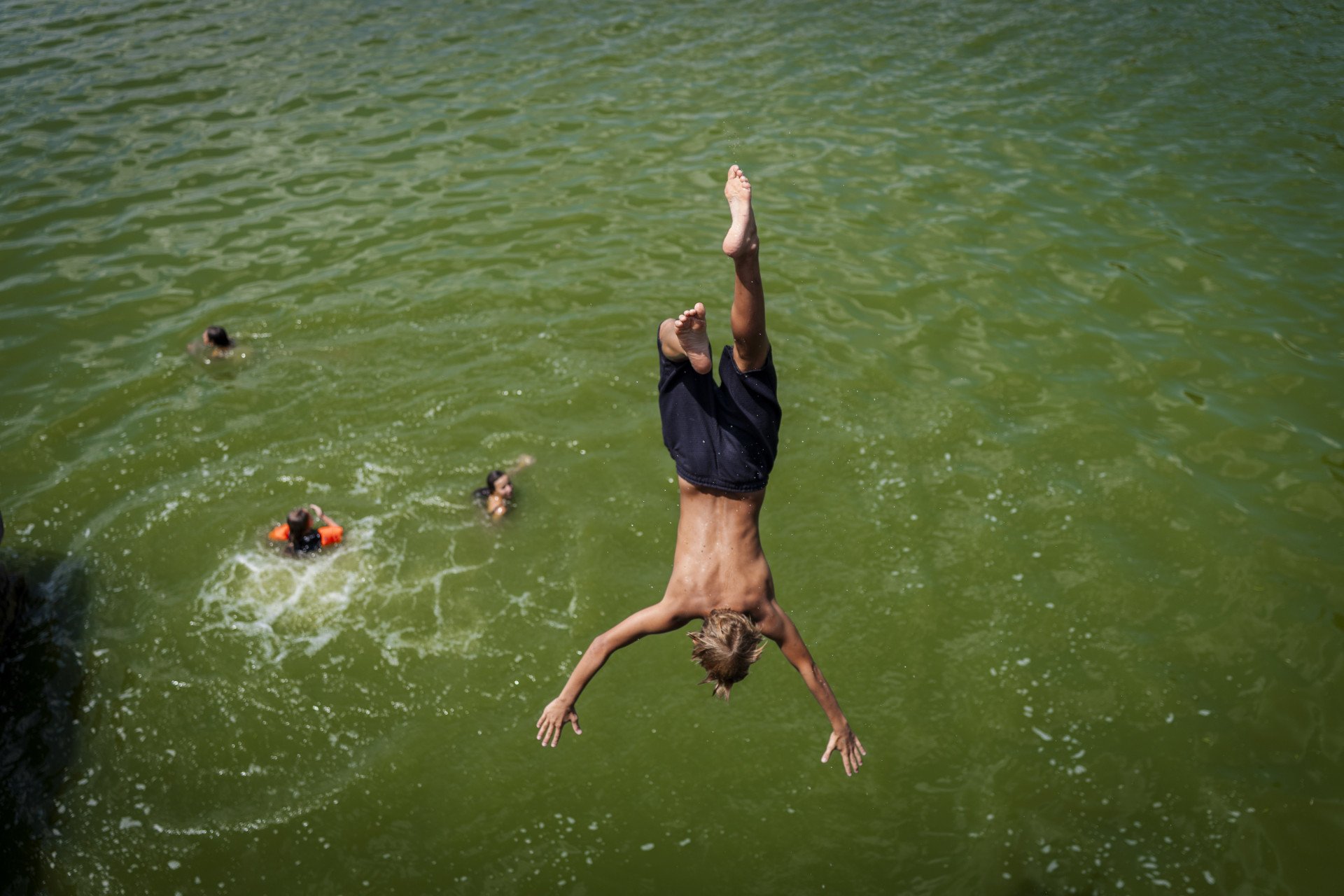
Some might wonder how anyone in a country at war could think about lying on a beach. The truth is, they need it more than most.
 Prefer U24 Media on Google
- Authors


Summer has carried a particular weight for Ukraine’s civilian population since Russia launched its full-scale invasion. War takes no holiday, but there’s this unspoken, almost seasonal rhythm—the sense that these three months are the window to rest, to travel, to reclaim some small piece of normal life.
We’re all human. The relentless pressure, the emotional peaks and valleys, the constant proximity to loss—it all demands release. Civilians still have to keep the economy running. They do it under the shadow of missile alerts, with loved ones at the front, with the war pressing in from every direction.
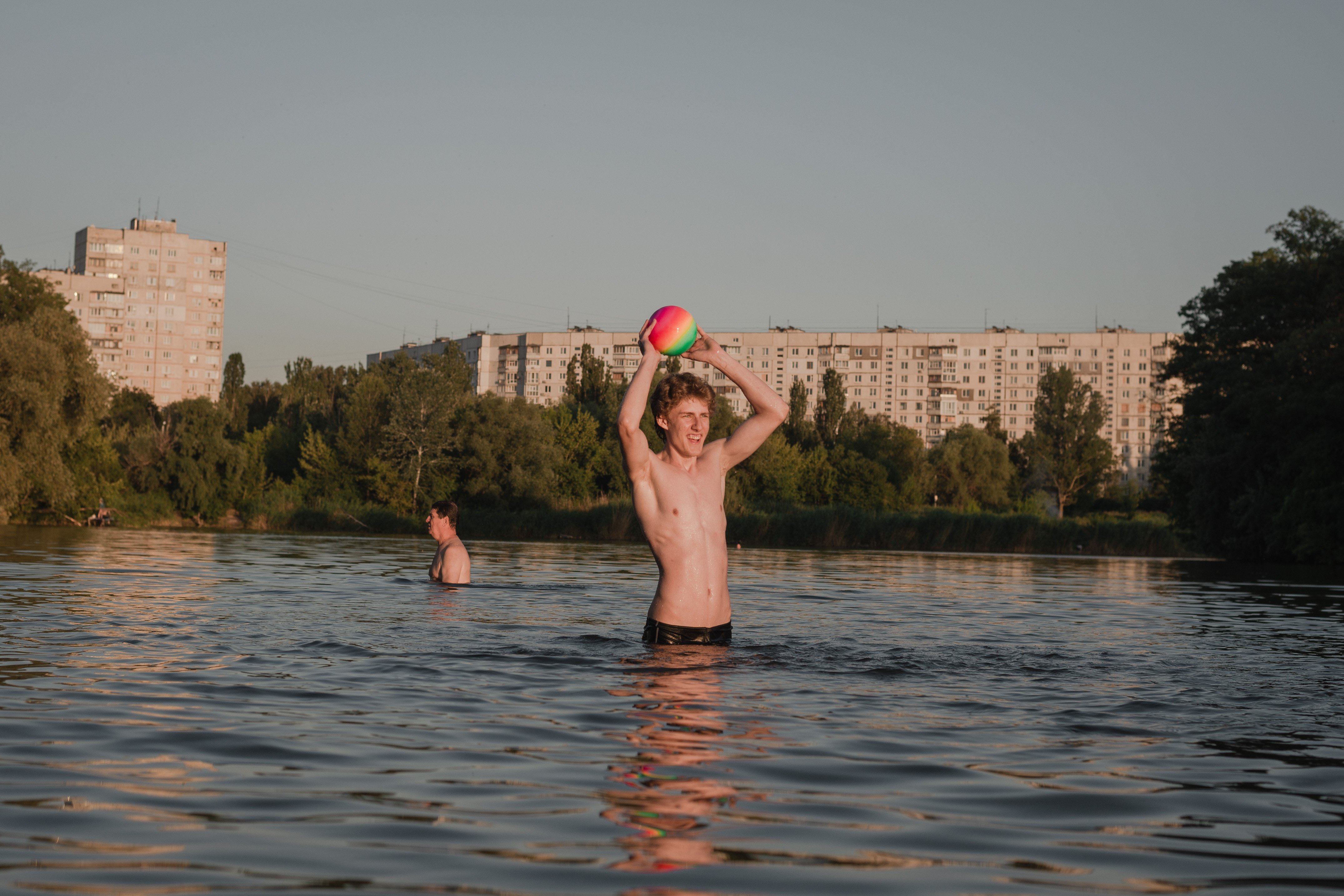
War pushes the body to its limits, says Dovidka, Ukraine’s emergency health service. The stress hormones that keep you sharp eventually burn out, leaving you cycling from anxiety and anger to bursts of optimism, then exhaustion. These shifts are natural, but they need to be worked through.
“Try to distribute your time between work and rest rationally,” says Ukrainian mental health guidance. “Remember, staying alive and healthy is already a lot.”
However, this summer felt different.
Russia's overwhelming air campaign
This summer, attacks on Ukraine surged. Drones led the way—hundreds of them—flying above five kilometres. Once, they were easy to shoot down, especially near Kyiv. But Russia adapted, upgrading these cheap, effective weapons, refining their flight paths, and mass-producing them on an industrial scale.
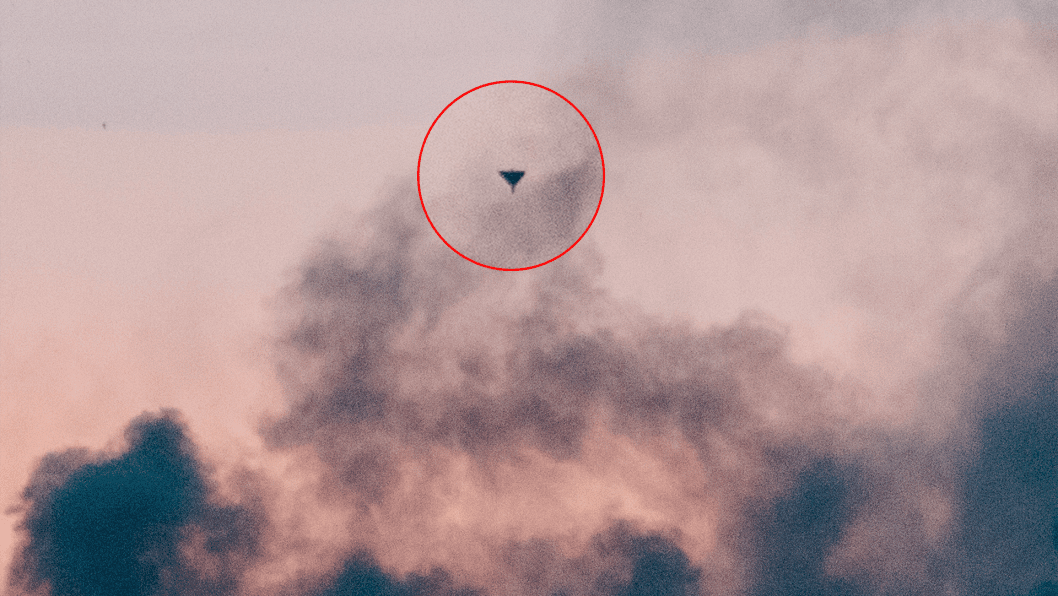
“They’ve gotten more intense,” says Oleksii, a 21-year-old student in Kyiv, describing Russian air attacks. “There are many more drones compared to last year’s summer, and I believe there are more strikes. They strike many more houses and stuff like that, so it feels less safe than… compared to the year before.”
The drone waves are often paired with missile strikes, hitting cities day after day. Even after the all-clear, people hesitated to leave shelters, wary of the follow-up strike timed for when residents returned home. After all, Russia’s notorious double-tap strikes—hitting both survivors and rescuers alike—make stepping out still dangerous.
The deadly month of July
One example came on July 31. After people left the shelters and went back to bed, Russia launched a final wave of missiles. One struck a residential building in Kyiv’s Sviatoshynskyi district, killing 31 people, including children, and injuring more than 170.
It’s a tactic. Wait until the sky is quiet, until people feel safe enough to go home, then hit them. Now, even when there’s nothing overhead, no one trusts it. A ballistic missile can reach the city in minutes.
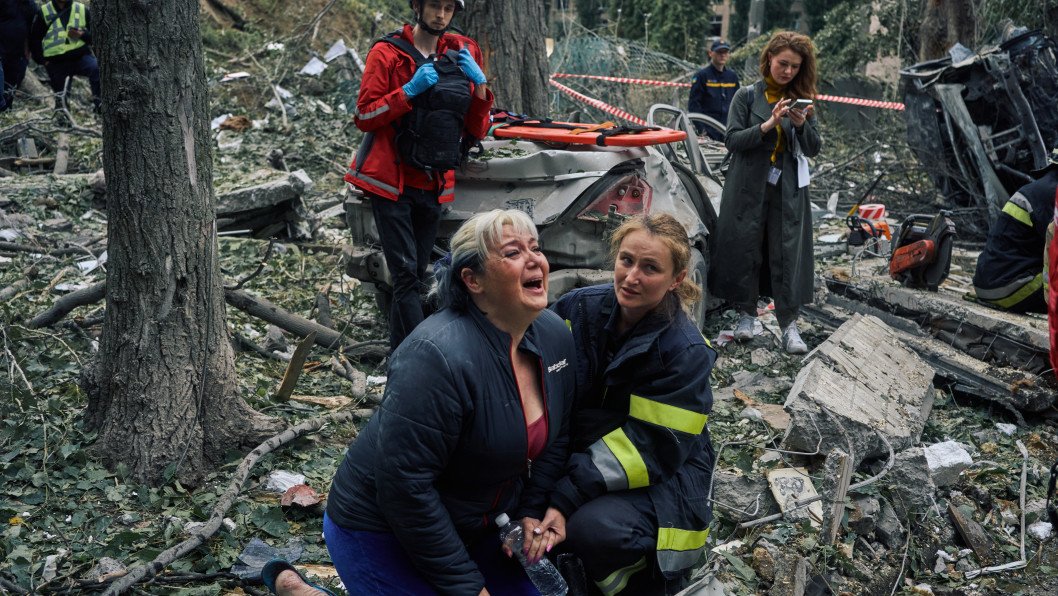
That constant threat grinds people down. Serhii, a 60-year-old retiree from Odesa, explains: “Morally, of course, there is pressure, because you don’t live alone. You live in a community, and some run to the shelter, some hide in the corridor, some in the vestibule—it puts pressure on everything. On the psyche, on activity, on everything.”
This summer brought numbers no one thought possible. In June, Russia sent 5,412 drones into Ukraine—day after day, the sky was full of them. In July, they broke that record with 6,129 Shaheds. That’s more than 200 drones a day, compared to just 423 during the entire month of July 2024.
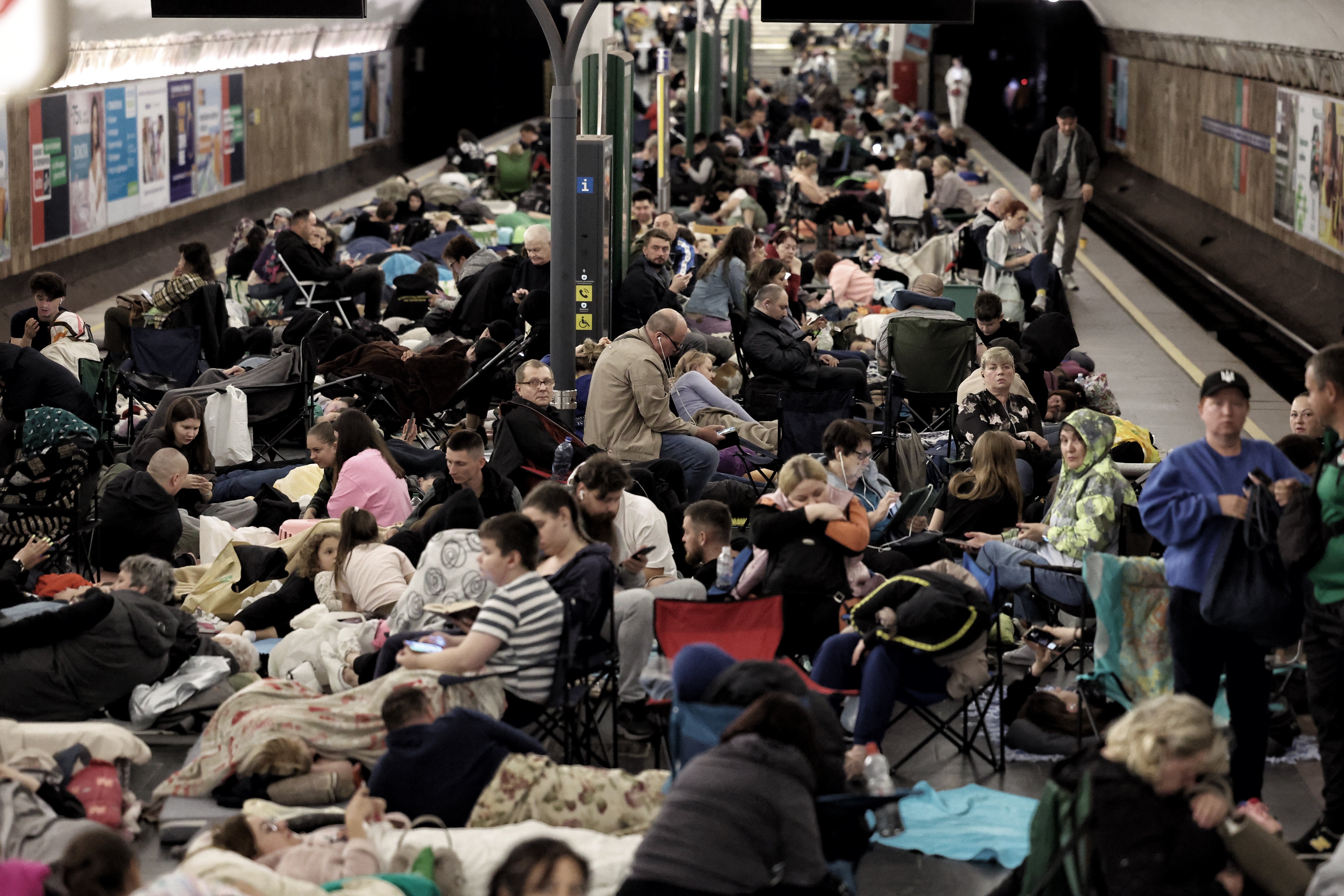
Kyiv metro today as people take shelter while Russia launches massive attacks across Ukraine. pic.twitter.com/mdJLjXcmk0
— UNITED24 Media (@United24media) July 28, 2025
That sheer number is something you feel as much as hear. Drones slam into buildings one after another, sometimes with only seconds in between. Bathrooms and hallways no longer feel safe. When the siren goes off, it’s harder to ignore—better to head straight underground, to the metro or a parking garage, than try to sleep through it.
In July, Ukraine saw its highest civilian toll in three years, the UN Human Rights Monitoring Mission reported. Across 18 regions, 286 people were killed and 1,388 were injured—the worst monthly figures since May 2022, and higher than in June.
The mental toll
Psychologists say this isn’t just tiredness—it’s the slow grind of living in survival mode for too long.
“One of the main things is fatigue,” says Natalia Umerenkova, who works with military families. “People are exhausted.” It’s not only the body wearing down from broken sleep and adrenaline spikes; it’s the mind reshaping itself around constant threat.
Anhelina, an 18-year-old student, has learned that lesson early: “During the war, I would say that it added certain traits, a certain independence, an understanding that this life could end at any moment and that we should cherish every moment, every person who is around us. My dad is at war, my mom is at work… It’s very hard to communicate with each other.”
For Yana, a 24-year-old AI developer, the change is more subtle: “I think with every year that passes, you’re getting more used to it, but also stronger in terms of understanding the situation from the inside.”
Russian strikes force Ukrainians to shelter in metro stations, turning them into tent cities as homes are hit by missiles and drones. pic.twitter.com/uXjVmHRwor
— UNITED24 Media (@United24media) December 17, 2024
The WHO estimates nearly half of Ukrainians have seen their mental health decline since the war began. Years of disrupted routines, separation from loved ones, and the absence of real rest leave people running on fumes.
In Kyiv, it shows in quiet ways—a slower walk to the bus, conversations cut short, laughter that doesn’t quite last. People keep moving because they have to, but the war is in their posture, in their eyes.
“There is no energy like before,” says Mariia, 31, who works in sales. “Constant routine, drowsiness, apathy, but you still need to live somehow. I haven’t been to the sea in two years, I really want to go to Odesa—I’m going there to rest.”
No calm without just peace
It’s not the travel itself that’s hard—Ukraine’s trains still run, even during war. The problem is that there are fewer places to go. Much of the southern coast, once packed with tourists, is now too close to the front. Cities with warm, subtropical beaches have seen their tourism vanish under the threat of Russia’s drones, missiles, and sea mines.
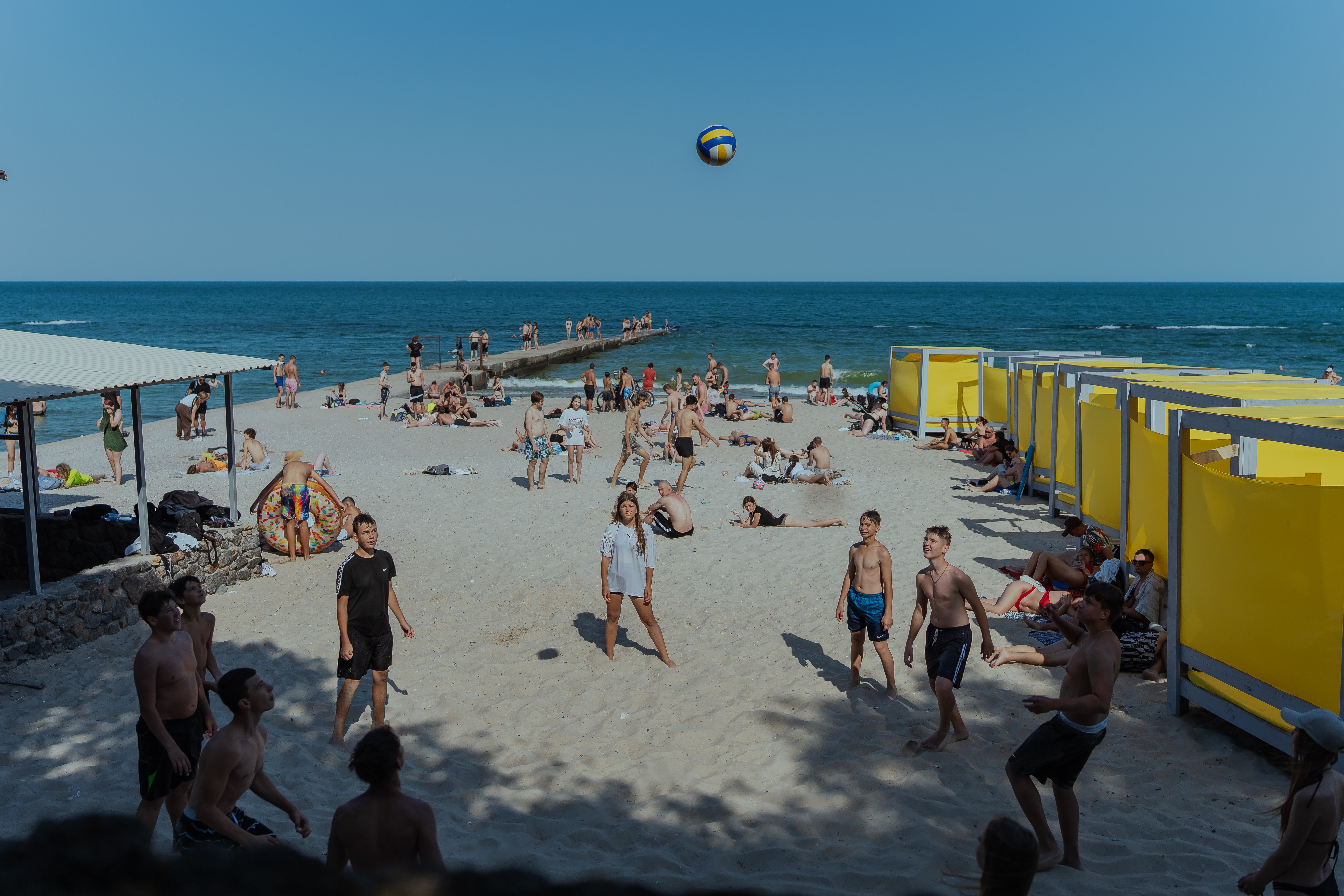
Families are scattered. Some are at the front, others abroad. Russia’s war split couples apart, separated parents and children. For most people, real rest is hard to find, and the stress just builds. In the west, near the Carpathians, it’s quieter. Tourism there has surged as people seek a peaceful retreat.
Every so often, though, there’s a stretch of calm. When retired US General Keith Kellogg visited Kyiv earlier this summer, the city wasn’t hit once. People joked he was the best air defense Ukraine ever had. For a few nights, they slept.
Discuss this article:

Now, as Putin and Trump prepare to meet in Alaska, the last weeks have been calmer than the start of summer. Some have taken the chance to rest. For others, the season passed in a blur.
Yet, after months of bombardment, no one here mistakes calm for peace. Ukrainians know that unless Russia is stopped—and Ukraine’s defenses made impenetrable—it will invade again. Peace isn’t the absence of attacks for a few weeks. It’s the ability to live without the threat of the next one. Maybe next summer will be better.
-c439b7bd9030ecf9d5a4287dc361ba31.jpg "Photo of Katherina Popilnichenko")



-29a1a43aba23f9bb779a1ac8b98d2121.jpeg "Photo of Illia Kabachynskyi")