- Category
- World
Why the EU Plans to Ban Entry for Anyone Who Fought for Russia
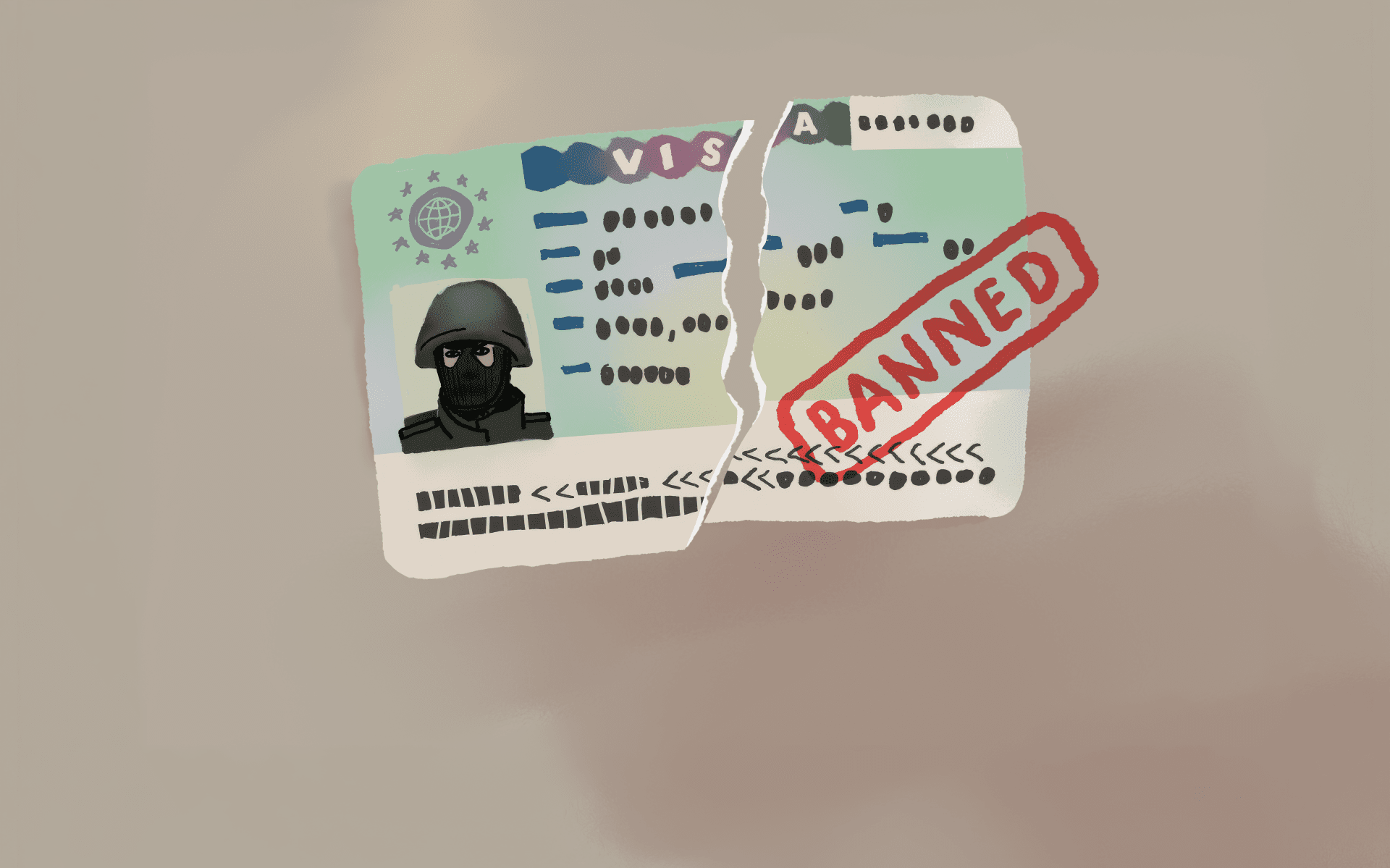
Moscow has recruited over 28,000 foreign nationals to fight for Putin’s Russia in its war against Ukraine. Under a new European Commission proposal, anyone who served in Russia's armed forces will pay a price that could last long after the war: losing access to Europe.
 Prefer U24 Media on Google
- Authors

-46f6afa2f66d31ff3df8ea1a8f5524ec.jpg "Photo of Jess Daly")
For the first time, the European Commission has proposed banning entry to the EU for anyone who has served in the Russian Armed Forces since the start of Russia’s full-scale invasion of Ukraine.
“Europe stays off limits for anyone who has participated in the invasion of Ukraine,” European Commission President Ursula von der Leyen said while presenting the bloc’s proposed 21st sanctions package against Russia.
The proposal comes as Ukraine continues to document Russia’s growing reliance on foreign recruits. Since the start of the full-scale invasion, Ukraine’s Defense Intelligence (HUR) has identified more than 28,000 foreign nationals from at least 136 countries serving under contract with the Russian Armed Forces. This doesn’t include North Korean troops, whose number is estimated at nearly 14,100. Moscow is also planning to recruit an additional 20,000 foreign nationals in 2026.
The measure is part of a broader package targeting Russia’s energy revenues, financial sector, cryptocurrency operations, and trade networks.
If adopted, the entry ban would apply regardless of nationality, potentially affecting not only Russian citizens but also foreign nationals and even EU citizens who have served in Putin’s army.
Italy and France are resisting the ban, saying it could risk becoming a broader restriction on Russian citizens. While not opposing measures, both countries state that the issue is better handled through visa policy rather than sanctions.
“While air raid sirens echo across the country, they [Ukraine] are making extraordinary progress,” von der Leyen said. “Clearly, Ukraine has delivered. It is now high time for us to deliver as well.”
However, aren’t the Russian soldiers already banned from Europe?
The short answer is no. The European Commission tightened Russian visa rules in 2022, making applications longer, pricier, and harder to get. Some countries adopted stricter visa restrictions on Russian citizens. Estonia, for example, permanently banned the first 261 Russian combatants from entering the country in January 2026.
The door to the free world must remain closed to them for a long time crimes and violence committed in Ukraine will not be forgotten and will have real and long-term consequences.
Margus Tsahkna
Estonia's Foreign Minister
Even so, Russian tourism to Europe continues to rise. Schengen countries issued 480,000 tourist visas to Russian citizens in 2025—the most since the start of Moscow's full-scale war, according to reports. An estimated 180,000 prisoners have been recruited into Putin’s army, and currently, some may be traveling to Europe.
Russia's war crimes in Ukraine and a culture of violence
Human rights atrocities have been committed by Moscow’s men across Ukraine. Since the start of Russia’s full-scale invasion of Ukraine, approximately 213,200 incidents of war crimes committed by Russian forces have been recorded. Putin’s army uses sexual violence systematically as a method of warfare, while institutionalizing torture as state policy, with more than 95% of Ukrainian prisoners of war having faced abuse at the hands of Russian forces.
🔴 Russian soldier confesses to rape and murder of Ukrainian children.
— UNITED24 Media (@United24media) June 9, 2026
Captured Russian soldier Rustam Gareyev from the 15th Motorized Rifle Brigade confessed to executing 20 civilians in Avdiivka, including an elderly woman and a teenager. pic.twitter.com/fAbBObqOkz
Russian forces have kidnapped more than 20,000 children, at the same time, subjecting children and teenagers in occupied territories to systematic indoctrination. They’re even putting their own children through Soviet-era–style militarization programs that train them to handle firearms.
Violence by Russian forces is not limited to Ukrainians but also extends to their own men. A widespread practice of summary executions, known as “obnuleniye” or “zeoring”, is a common practise referring to killing one’s own comrades, for punishment or intimidation.
Violence is deeply entrenched within Russian society, extending far beyond the frontlines. In 2017, Russia decriminalized domestic violence against women, and as the old well-known Russian proverb goes—“if he beats you, he loves you,”—examples of Russia’s historical tolerance of violence.
⚡ Russia's Africa Corps and Malian troops have been accused of killing civilians and arranging their remains into a swastika shape. https://t.co/1vNCSKESGs
— UNITED24 Media (@United24media) June 26, 2026
Across social media, recruitment networks, and battlefield footage, we’ve uncovered stories of those who joined Moscow’s war, and some have since come to realize the cost of their decision.
At the same time, several of Putin’s men have already been enjoying Europe’s freedom, traveling across the continent, and could be your neighbors.
Putin’s army is already in Europe
“Hey, is anyone out in Paris today?” the message read in March 2026, posted by former Wagner Private Military Company (PMC) commander Andrey Medvedev to a Russian-language Telegram channel, according to Swedish media, Svenska Dagbladet. Around the same time, Medvedev also shared a photo taken outside the Foreign Legion headquarters in Paris.
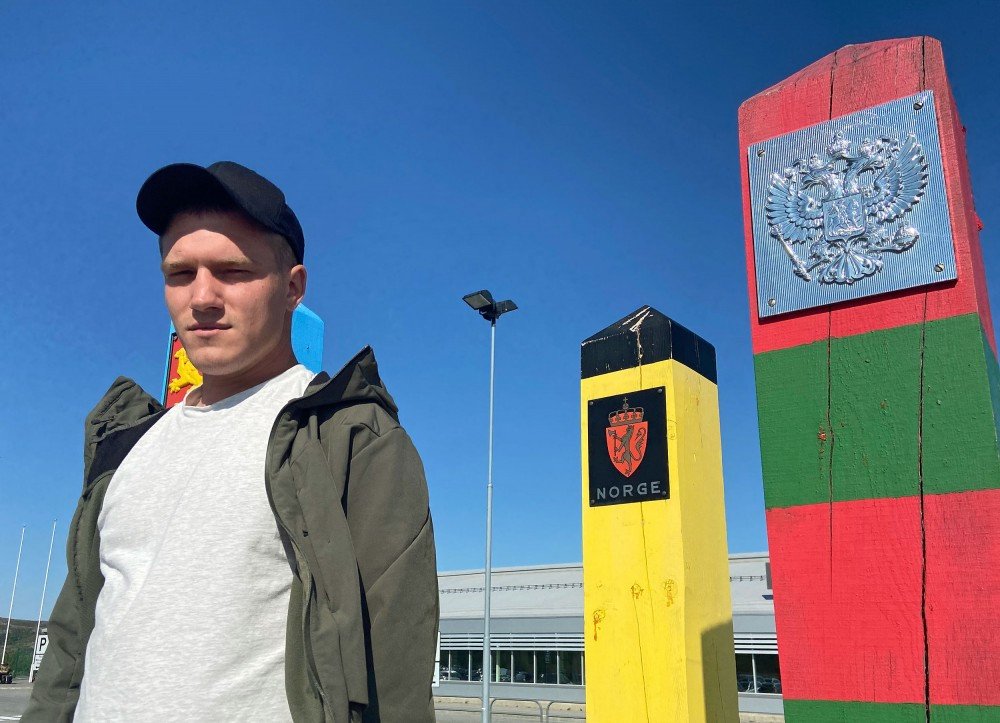
In February 2026, he was in Oslo. After Paris, he traveled to Nice and then Switzerland before reportedly returning to Paris in May 2026, his last known location. During these travels, investigators say he met with other Wagner-linked operatives.
The trip comes amid growing concern in Europe over Russian hybrid activity, including Russian intelligence services found using former recruiters from Wagner to organize sabotage operations across Europe.
Medvedev fled Russia in 2023, crossing into Norway. While authorities cited “serious grounds for assuming participation in war crimes” and denied him asylum, he was not deported and instead received a restricted residence permit.
Since then, he has faced multiple legal incidents in Norway, including a 120-day prison sentence for assault, a separate 14-day sentence for resisting arrest and assaulting a police officer, and another case involving bringing a rifle into a bar in Oslo, Politico reported.
Between February 2022 and February 2026, there were at least 151 documented cases across Europe linked to sabotage, arson, attempted bombings, and other hybrid operations attributed to Russian networks. At the same time, Russian businessmen and oligarchs, with direct ties to funding Russia’s military-industrial complex, continue to operate across Europe, owning assets including wineries and profiting from the production of Oreshnik missiles, property, and corporate holdings.
Who are Russia’s foreign volunteers?
Russia’s foreign recruits are not a single group. They include ideological supporters of the Kremlin, violent extremists, and people drawn by promises of money, citizenship, or a new life. Others say they were deceived into joining after arriving in Russia for work or study. Many conceal their identities online due to the risk of prosecution, loss of citizenship, or imprisonment in their home countries. Some already have. Finnish national and Russia’s “Rusich” neo-Nazi group leader Voislav Torden was sentenced in Finland to life imprisonment in Finland for four war crimes committed during Russia’s war against Ukraine.
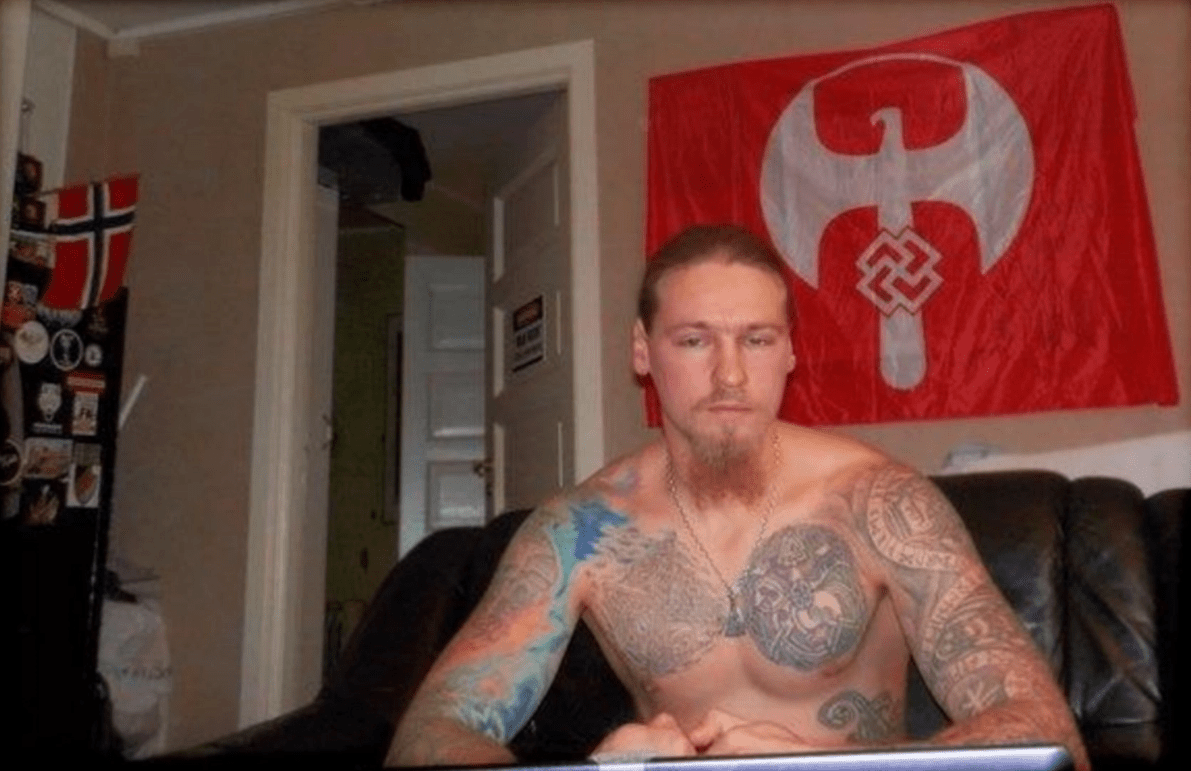
Others, like an allegedly former French Foreign Legion paratrooper known only as “Tuth,” openly acknowledge that joining Russia has likely closed the door on ever returning home.
“By revealing your face as a foreigner, you will definitely close the way out of Russia… you will never look outside again.”
If the European Commission’s proposed entry ban is adopted, Russia may become his only option.
Ideological volunteers and extremists
Among the British nationals who have joined Russia’s war effort is Ben Stimson, a 50-year-old antiques trader from Oldham, England.
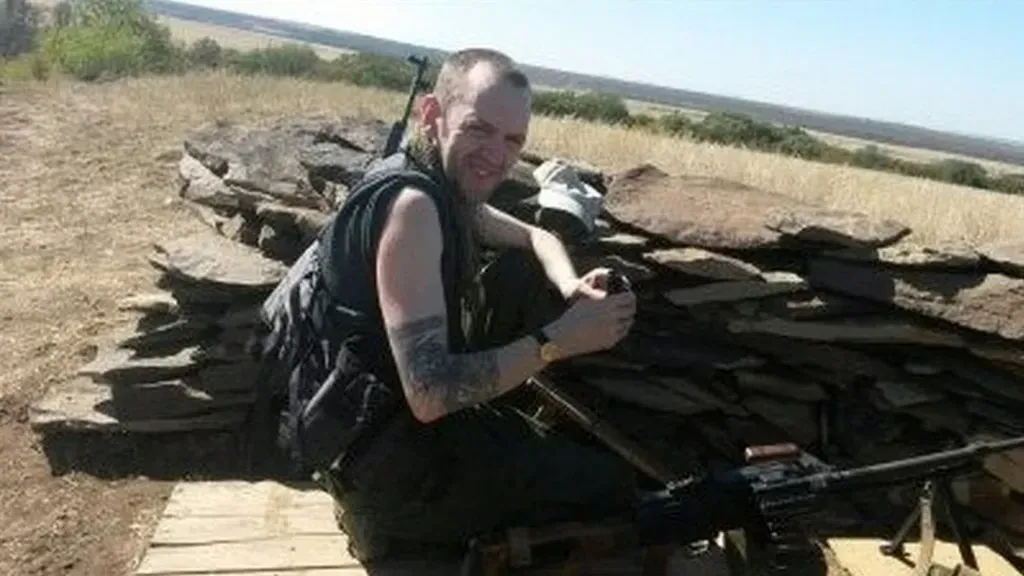
Stimson first traveled to Russian-occupied Donetsk in 2015, spending four months embedded with Russian forces. After returning to the UK, he was prosecuted and sentenced to over five years in prison on terrorism-related charges.
Despite his conviction, he signed a contract with the Russian military in 2024 and appears to be involved in training other British nationals serving in Russia’s armed forces.
Unlike many foreign recruits, Stimson openly documents his activities on social media and through a YouTube channel, International Volunteers Association, where he promotes foreign fighters.
He has also been photographed at Moscow’s Listva bookshop, which UNITED24 Media previously reported as part of a wider network that raises funds for Russia’s military and targets audiences in Europe and the US. He has additionally promoted a book by a Spanish soldier in Putin’s army sold there.
In an interview with Sky News, Stimson defended his involvement, claiming he was “protecting the ethnic Russians of Donbas,” echoing a common Kremlin propaganda narrative. He rejected accusations that he is a British traitor. Stimson acknowledged that members of his family have cut ties with him, but said his support for Russia's war was worth the sacrifice.
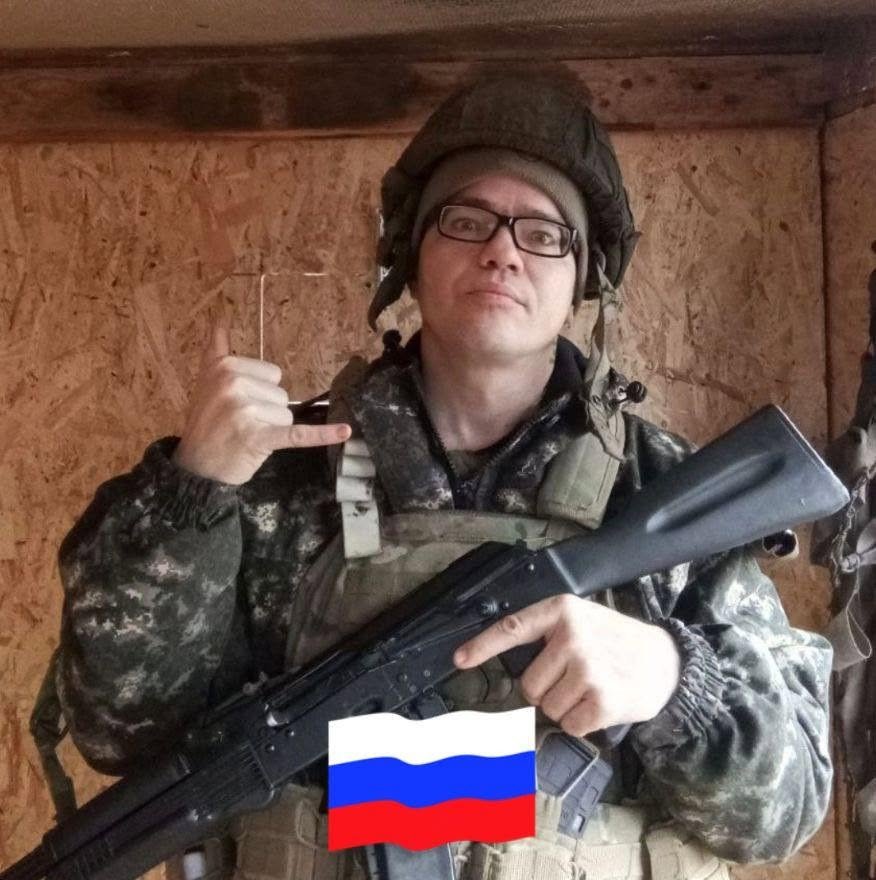
Another foreign recruit serving with Russian forces is Aidan Minnis, a dual UK and Irish national. He is a member of Russia's so-called "Riflemen of the North Group" and frequently posts photographs promoting his life in the Russian army.
Before joining Russia’s army, Minnis had a lengthy criminal record. A former member of the National Front, he was sentenced to four years in prison in 2008 for an unprovoked racist assault and has reportedly been convicted of other violent offenses, including robbery and attempted robbery.
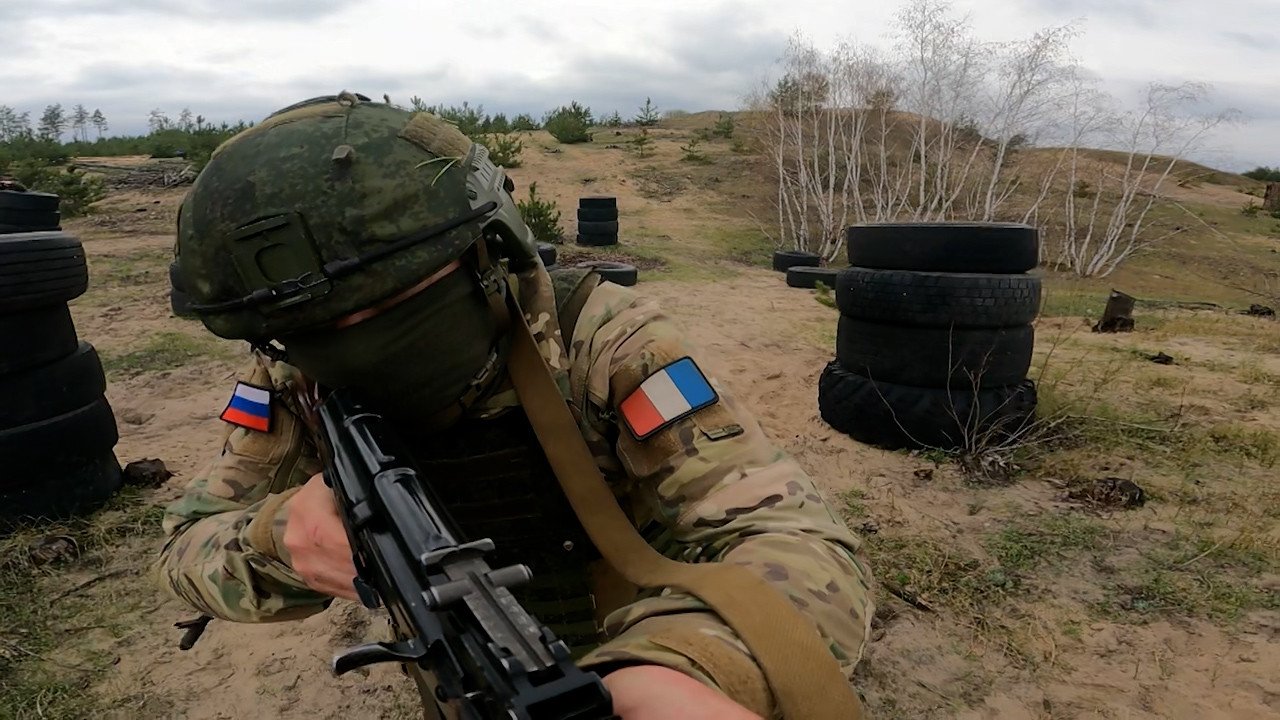
Sergei Munier, a French national, is the commander of the Russian-French drone unit "Normandie-Niemen," which operates within the Cossack reconnaissance brigade "Terek," part of the Volunteer Corps' 1st Assault Unit, according to Russian media reports published in May 2025.
Munier claims that around 30 French nationals are currently fighting for Putin’s army.
The unit's name references the historic Normandie-Niemen fighter regiment, a French military formation established in 1942 by General Charles de Gaulle's Free French Forces to fight alongside the Soviet Army against Nazi Germany.
The exact number of French fighters serving alongside Munier remains unclear, but we’ve found several individuals fighting in the unit, known publicly only by their call signs, including "Nagato," "Padre," and "Gauthier."
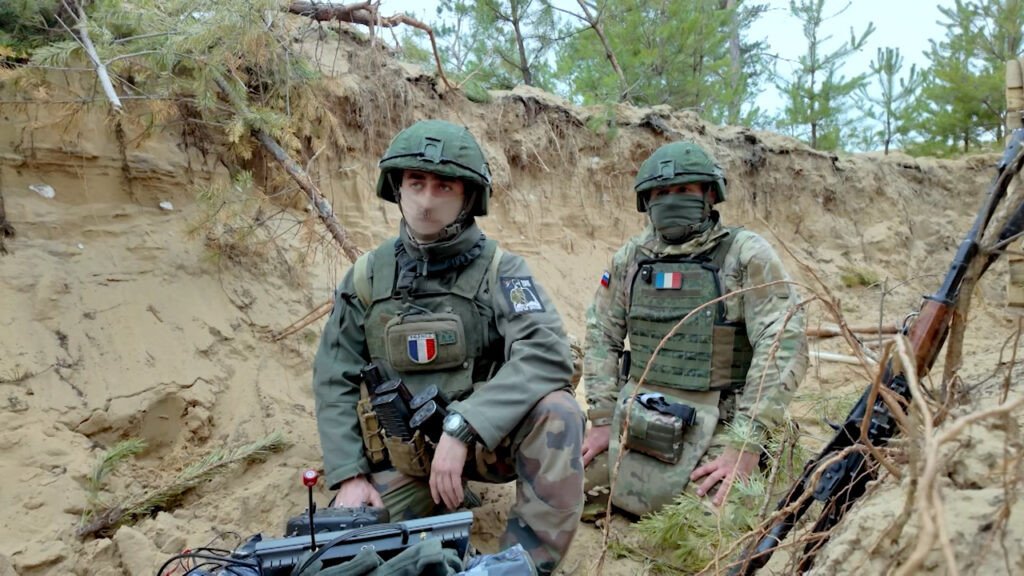
Russians and French must fight together against the West's degenerative ideas, like wokeism, LGBT, and others that morally destroy the West.
Gauthier
Fighter in Russia's Normandie-Niemen unit
Another French volunteer, a 27-year-old from Paris, reportedly joined Russia's so-called "special military operation" in 2024 as a volunteer drone pilot. He now serves in a unit of the St. George Brigade, another formation within the Volunteer Corps and linked to “Redut” — neither a PMC nor a company, but a scheme created, managed, and funded by the Russian Federation to recruit people for the war against Ukraine.
Seeking citizenship and a new life
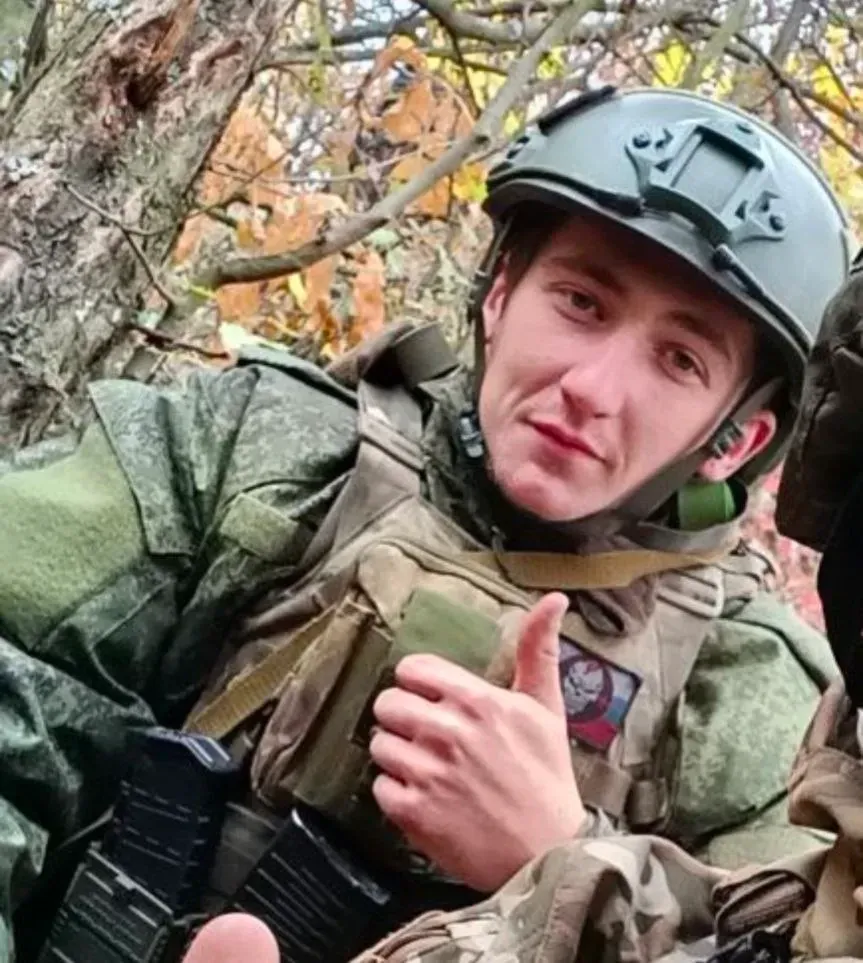
Ross McElvenny, callsign “Whisky”, a Scottish national, was recruited into Putin’s 1099th Motorized Rifle Regiment on August 10, 2024. In November of the same year, he lost an eye after his vehicle was hit by an artillery shell, and he is now a Russian citizen, according to Russian media reports.
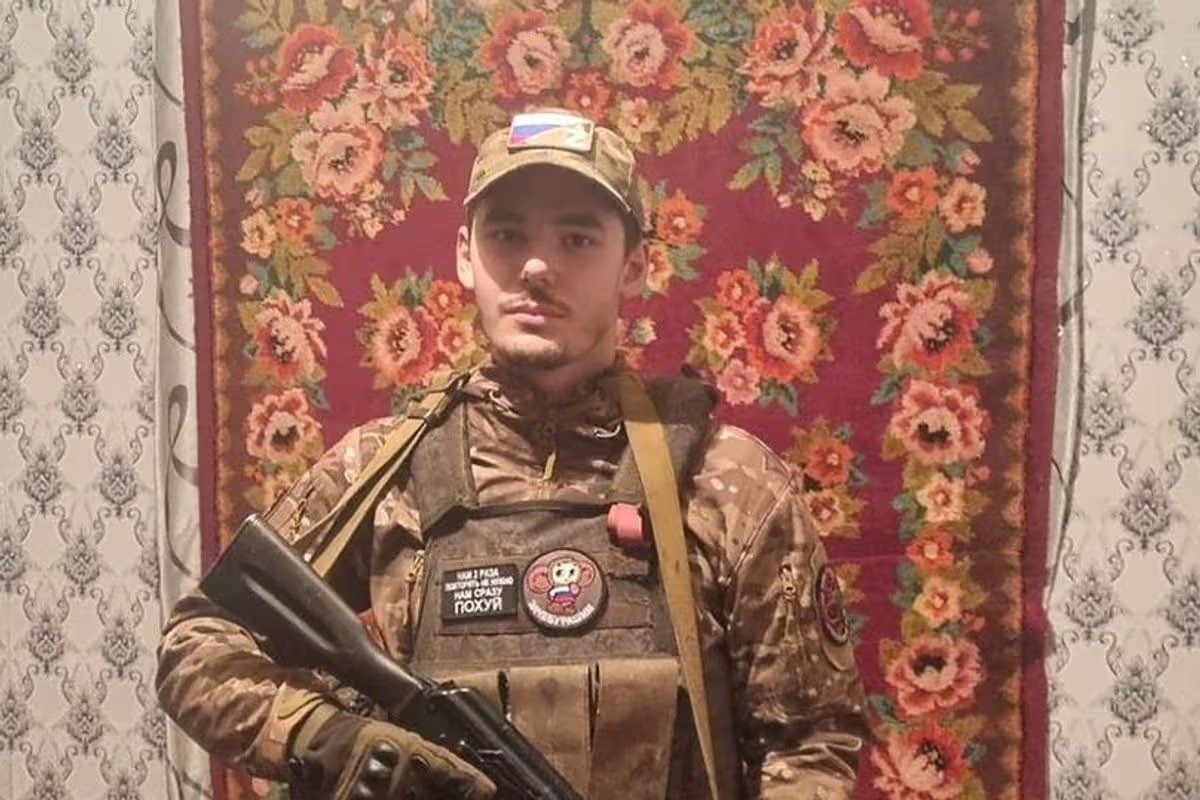
Another Scot, 23-year-old Jay Fraser, an acquaintance of McElvenny, has also been fighting for Putin’s army. Fraser is a former worker at Tennent's Brewery who converted to Orthodox Christianity. UNITED24 Media has regularly reported on the Russian military's ties to the Russian Orthodox Church, as well as its links to far-right groups.
It was through the Orthodox Church that Fraser reportedly met a military recruiter, eventually signing a contract with the Russian artillery unit of the Pyatnashka Brigade.
Fraser believed his military contract would lead to Russian citizenship. However, foreign recruits are generally only eligible when serving in Russia's official armed forces, rather than in Private Military Companies (PMCs), like the Pyatnashka Brigade.
Speaking to reporters from The Observer in March this year, Fraser expressed regret over his decision to join Putin’s war; his contract should now have ended, and his future remains unclear.
"I don't particularly agree with what I've done now. Guilt, I suppose, is the word attached to that," he said.
You're never going to spend your last moments, bleeding out in the snow because a drone finally caught you at the wrong time, thinking about politics or ideology. In the end, it's about those you love and the time spent with them.
Scottish National in Russia’s Army
Whether he will ever return home to see his family again remains uncertain; currently, he would likely face prison time. Should the ban come in, he’ll never return home again.
Recruits lured to Russia from across the globe
Many foreign nationals travel to fight for Russia voluntarily, but others are drawn in through promises of money, education, jobs, and stability—only to find themselves later recruited into Russia’s military.
Foreign nationals from Asia, Africa, the Middle East, and Latin America have been identified among Russian military personnel. At least 2,965 citizens from 36 African countries are reportedly fighting for Russia, while more than 1,000 Kenyan citizens may have entered its recruitment system.
Recruits from Latin America have been identified in Peru, Brazil, Cuba, Argentina, and Colombia. Cubans alone are estimated to account for as many as 20,000 foreign recruits, Truth Hounds and the International Federation for Human Rights reported.
One example is Gianni Dante Bettiga from Argentina, who traveled to Russia in February 2025 to study Russian language and culture in Yekaterinburg. Within weeks, he was persuaded to sign a military contract and sent to the front line.
I want to go back to Argentina no matter what. I don’t care about this country anymore. Please, do something to get me out of here. I love you, Dad.
Argentianian in Russia’s Army
In August 2024, Russia's leader, Vladimir Putin, signed a decree offering "humanitarian support" to foreigners who embrace Russia's so-called "traditional values" and relocate to the country. New rules introduced on November 5, 2025, require foreign men seeking permanent residency to sign a contract with Russia's military. For many foreign recruits, the reality is uncertainty—even survival does not guarantee escape from the “meat grinder ” they were drawn into.
This is the challenge the European Commission is trying to address. If adopted, the proposal would make service in Russia's armed forces a lasting liability for both Russians and foreign nationals. For those considering signing a military contract with Russia, the prospect of long-term consequences beyond the battlefield may become another factor to weigh before enlisting.
Discuss this article:



-c439b7bd9030ecf9d5a4287dc361ba31.jpg "Photo of Katherina Popilnichenko")