Category
Life in Ukraine

A Year in Photos: Our Photographers Reflect on the Most Impactful Photos of 2025

9 min read
Authors
Photo of Iva Kucherenko
Art Director

This year, we documented powerful stories across Ukraine—from frontline realities to personal moments—capturing the ongoing impact of Russia’s war against Ukraine and the resilience of the Ukrainian people.

As we close the year, our photographers look back and select the photos that stood out in their coverage and carried meaningful context. Each image featured here carries a story, and together they form a visual record that shaped 2025.
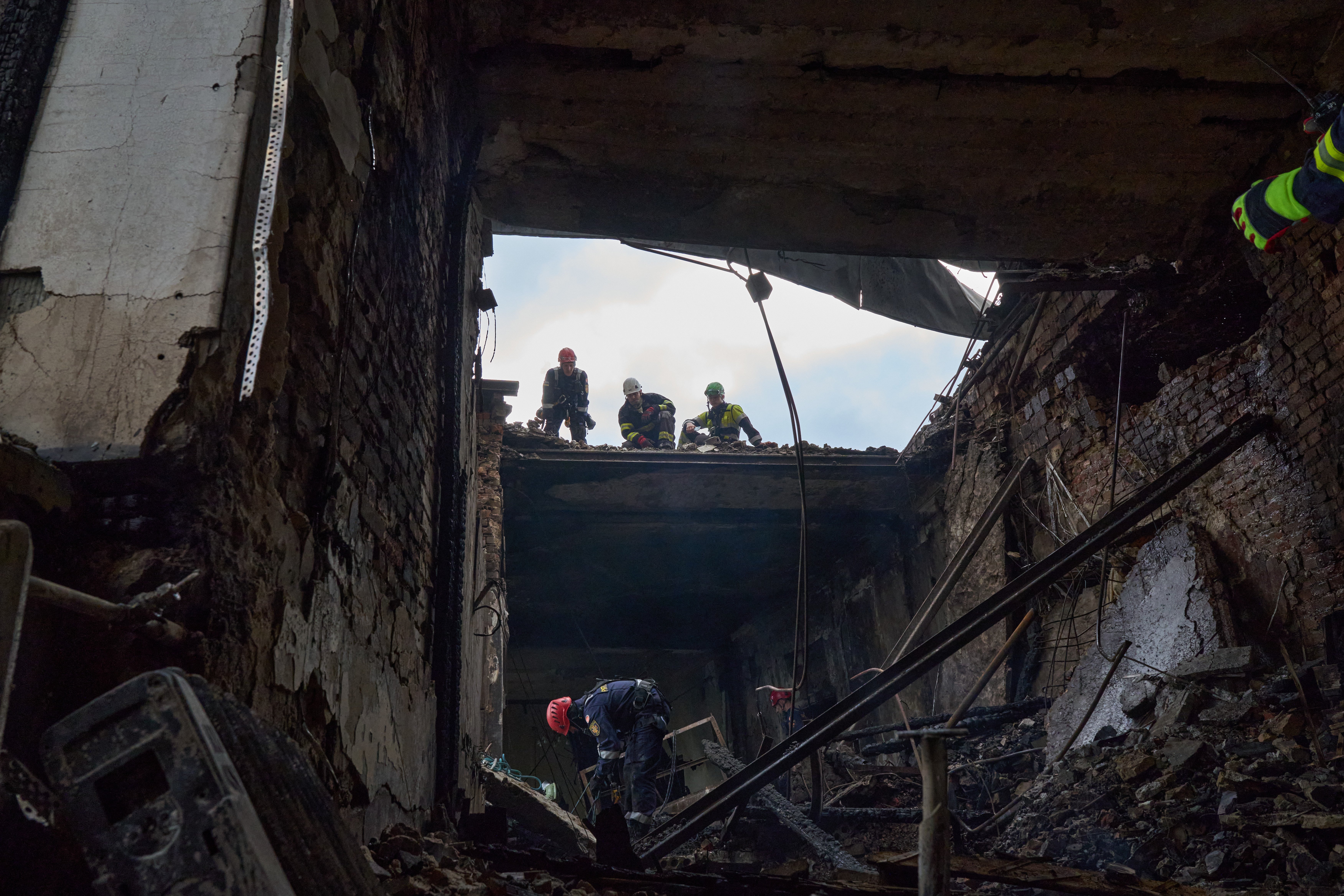
Russia’s shelling of the Cabinet of Ministers of Ukraine building. Emergency responders work to eliminate the consequences of the attack. Photo: Mykyta Shandyba/UNITED24 Media.
Funeral procession in Kyiv for Roma “Sova” Tarasiuk. Kyiv, May 2025. Photo: Josh Olley / UNITED24 Media.

Over a year ago, our reporting team—Philip Malzahn and Conall Kearney (Cocobongo)—was trapped in a basement while covering operations with the Kayfariki group, after Russian forces overran and surrounded them. During the 14-hour battle for the position, Roma “Sova,” Kayfariki’s sergeant, and three others were wounded, but all survived. “This is Ukraine. You drink beer, and your friends die,” Roma Tarasiuk, callsign “Sova” (Owl) said on a sunny April day in Kyiv.

On May 26, 2025, Roma was killed in action, dying like a warrior in a close-quarters firefight with enemy forces. His funeral was attended by hundreds.
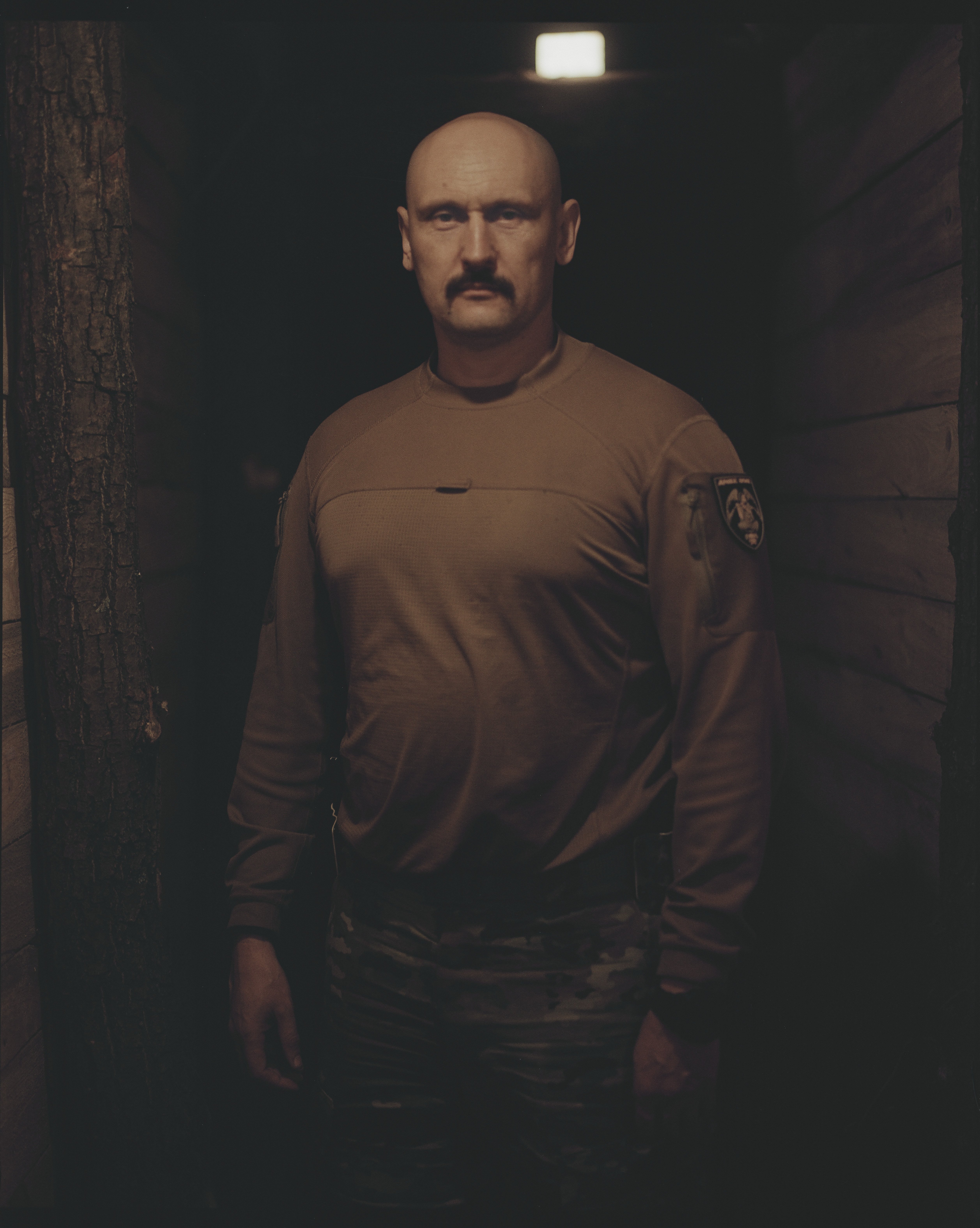
Dmytro “Perun” Filatov, 1st Separate Assault Regiment, poses for a picture in a command center. Photo: Josh Olley/UNITED24 Media.

This year, Ukraine’s elite units successfully contained a major Russian advance near Dobropillia, while farther south in Pokrovsk, fierce close-quarters urban fighting continues. Russia’s offensive presses on, but at a heavy price.
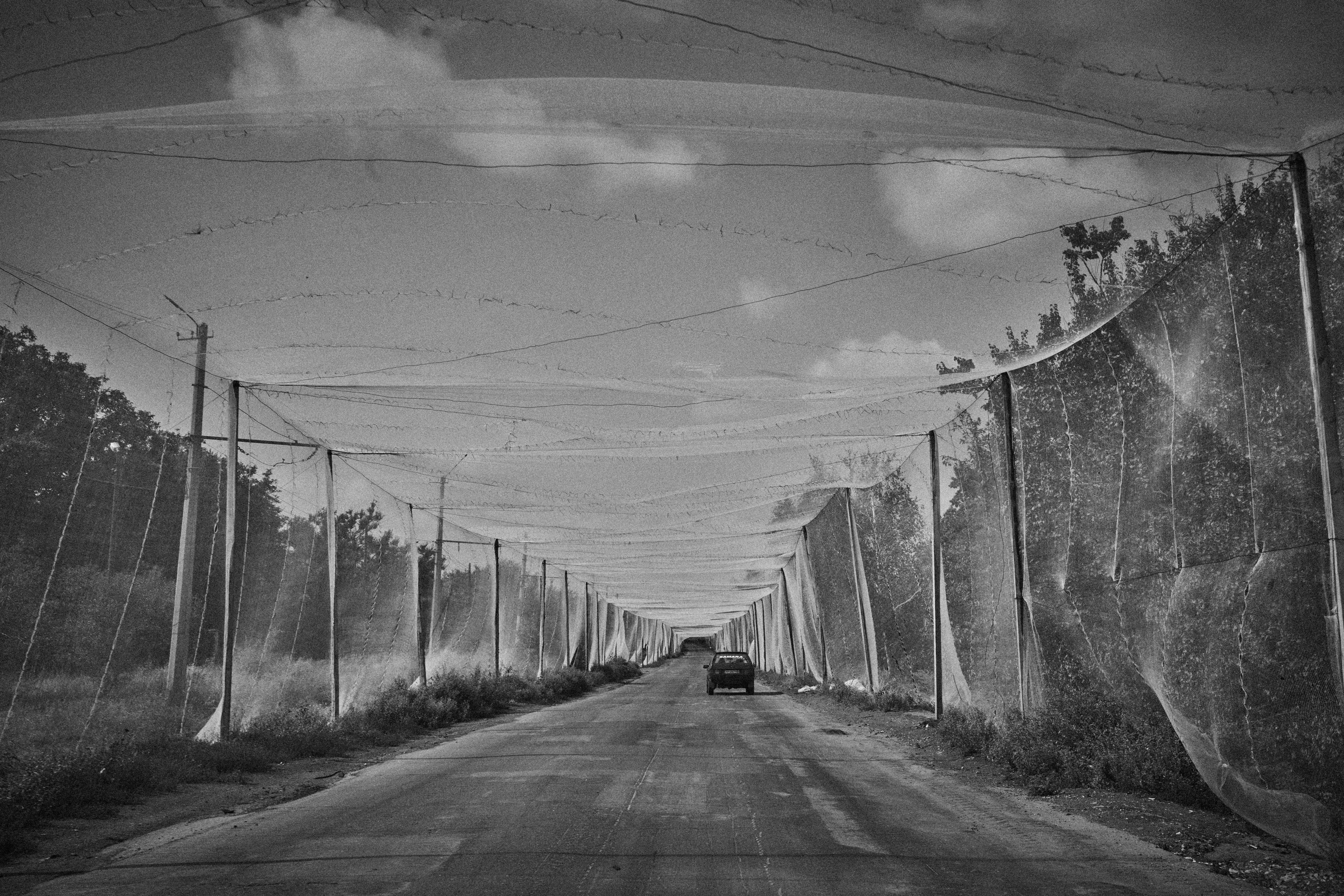
A road on the outskirts of Kostiantynivka protected by an anti-drone net. August, 2025. Photo: Josh Olley/UNITED24 Media.

In Konstantynivka and the wider Donetsk region, anti-drone nets have become a visible part of daily life as Russian army increasingly uses FPV drones to strike far beyond the front line. Roads leading into and out of the city are now enclosed in mesh tunnels designed to physically trap attacking drones before they can hit civilian or military vehicles.

The threat has evolved, with unjammable fiber-optic drones able to fly tens of kilometers and target anything that moves, from ambulances and municipal trucks to cars carrying civilians. The nets are an improvised and necessary response to a reality in which travel itself has become one of the most dangerous acts near the front, and speed and netting are often the only protection available.
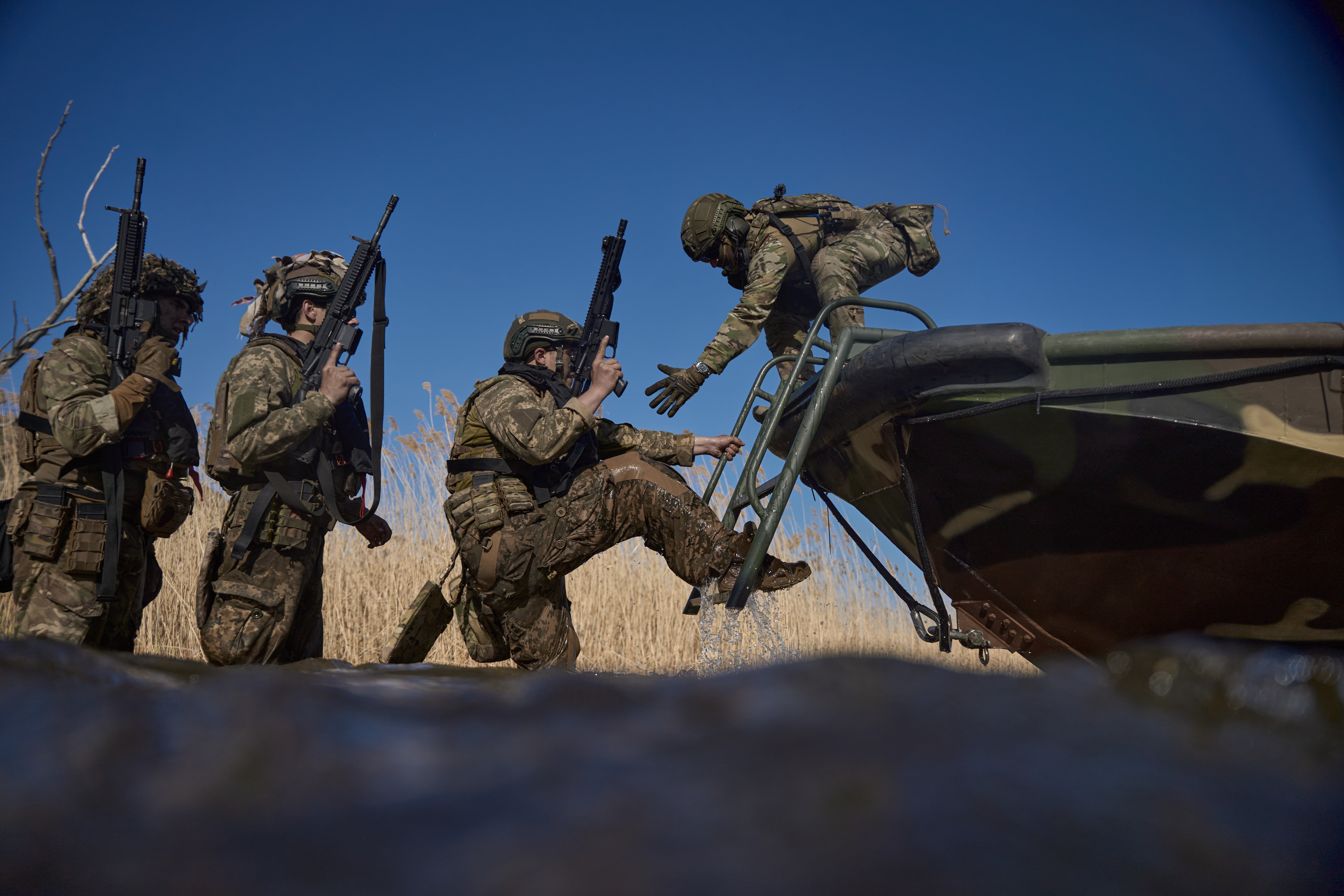
“We know its scent. We remember how it carried our boats toward the places still held by the enemy. We, the fighters of the 144th Special Operations Forces Center, are back on the water.” Photo: Mykyta Shandyba/UNITED24 Media.

While fierce fighting continues, units from various branches of the armed forces continue training, drills, and preparation. Ukraine’s 144th Special Operations Forces Center is rigorously training for river assault operations as part of preparations for future strikes against Russian forces, particularly along waterways like the Dnipro River.
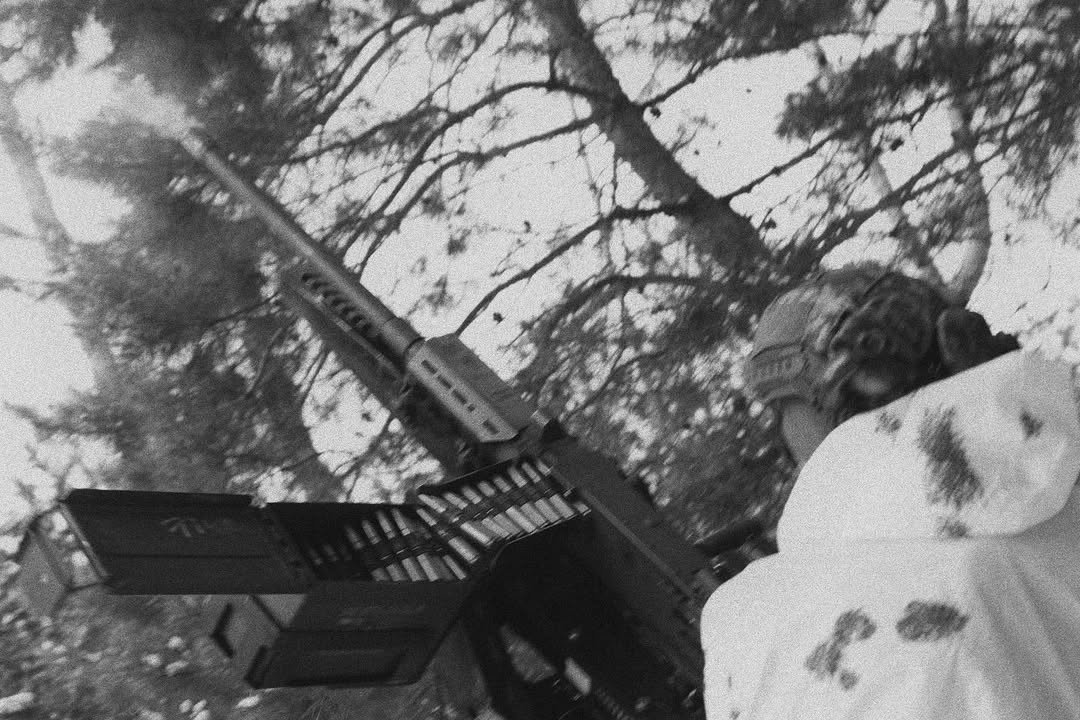
Ukrainian air defence teams engage at a low passing shaheed drone in Kharkiv oblast. Photo: Cocobongo (Conall Kearney)/UNITED24 Media.
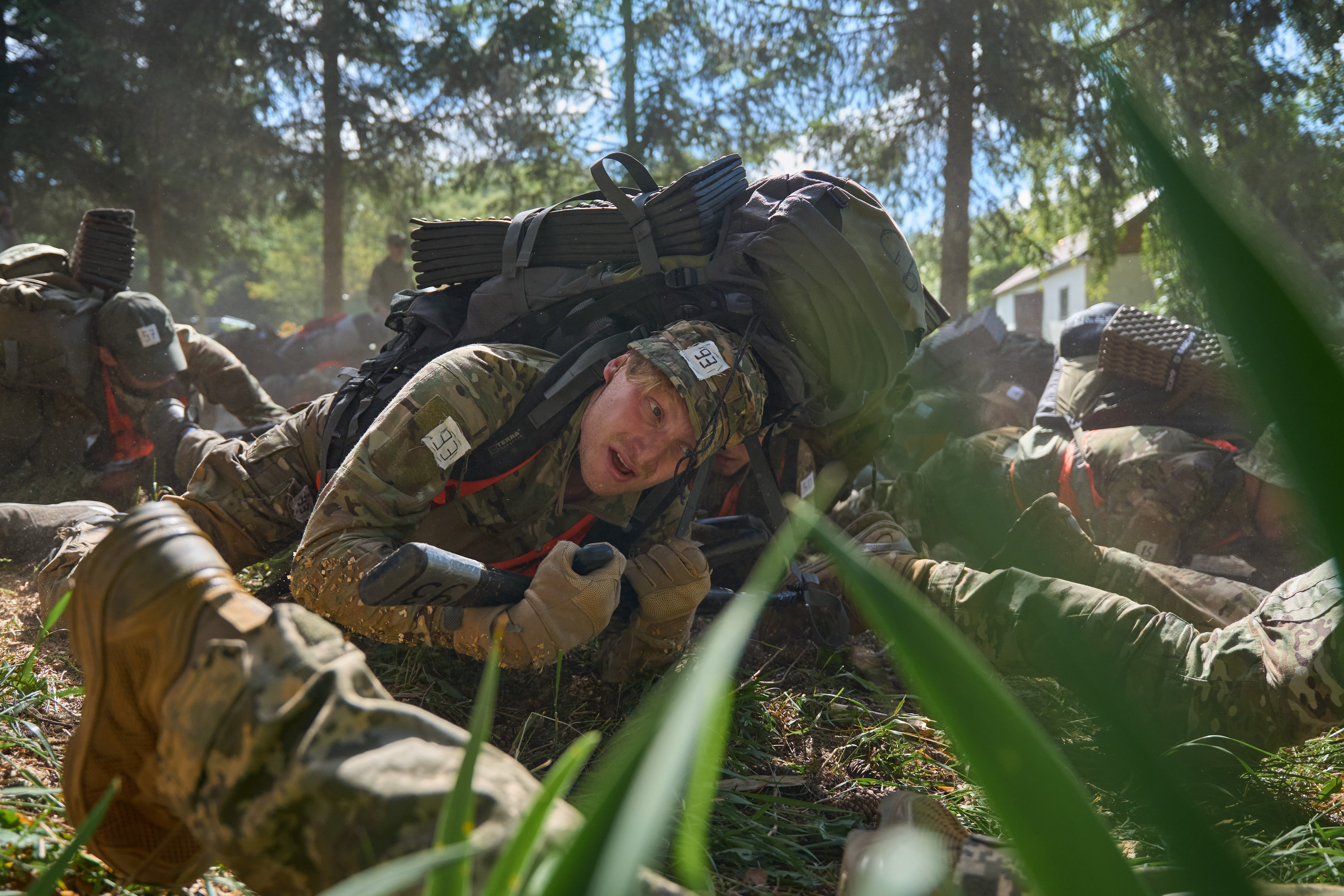
Prior to beginning the Q-Course—the qualification course of Ukraine’s Special Operations Forces (SOF)—every candidate must pass a gruelling internal “Selection” process. Our journalist Philip Malzahn took the part in it. Photo: Mykyta Shandyba/UNITED24 Media.

Only those who make it through this harsh ordeal earn the chance to enter the four-month Q-Course and, ultimately, join an elite community of operators capable of conducting high-stakes missions that can shape the course of the war.

“It’s not a course. It’s not preparation. It’s a brutal test of endurance, resolve, and mental toughness—designed to break most and reveal the few who can operate where others can’t,” describes photographer Mykyta Shandyba.
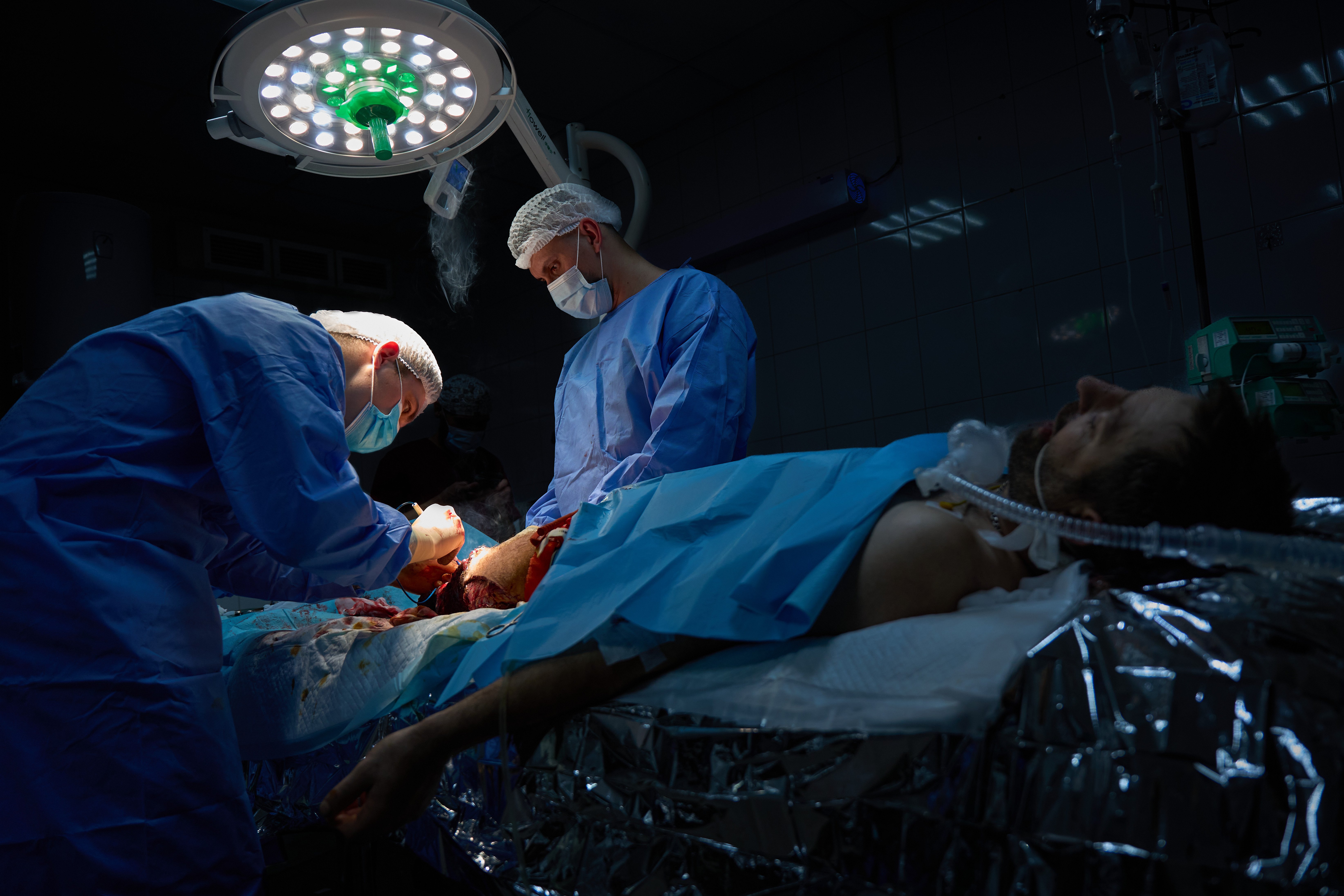
A surgeon performs an operation on a wounded soldier. 3rd Army Corps. Photo: Mykyta Shandyba/UNITED24 Media.
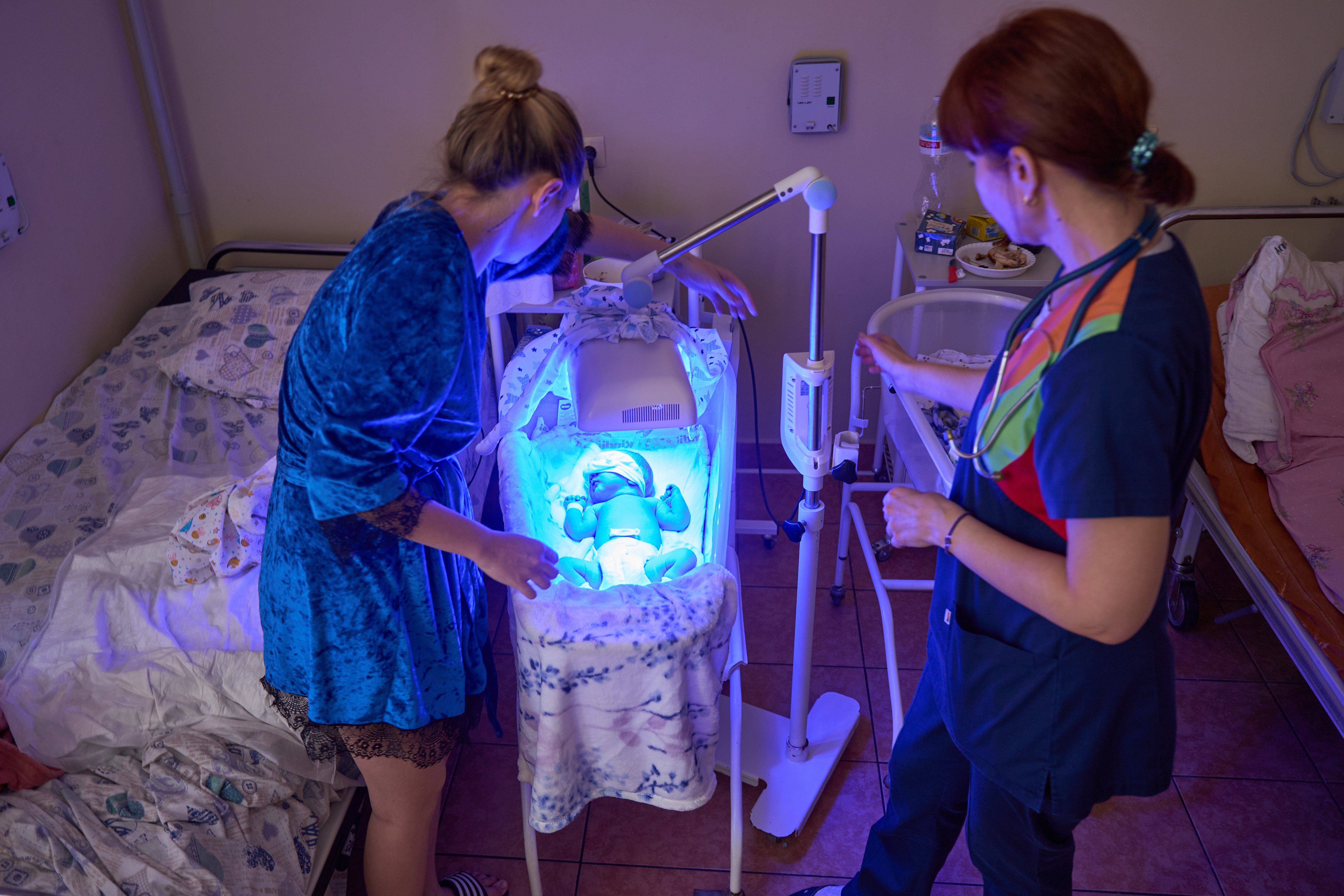
Life goes on near the front line: a newborn in Mykolaiv, just dozens of kilometers from active fighting. Photo: Mykyta Shandyba/UNITED24 Media.
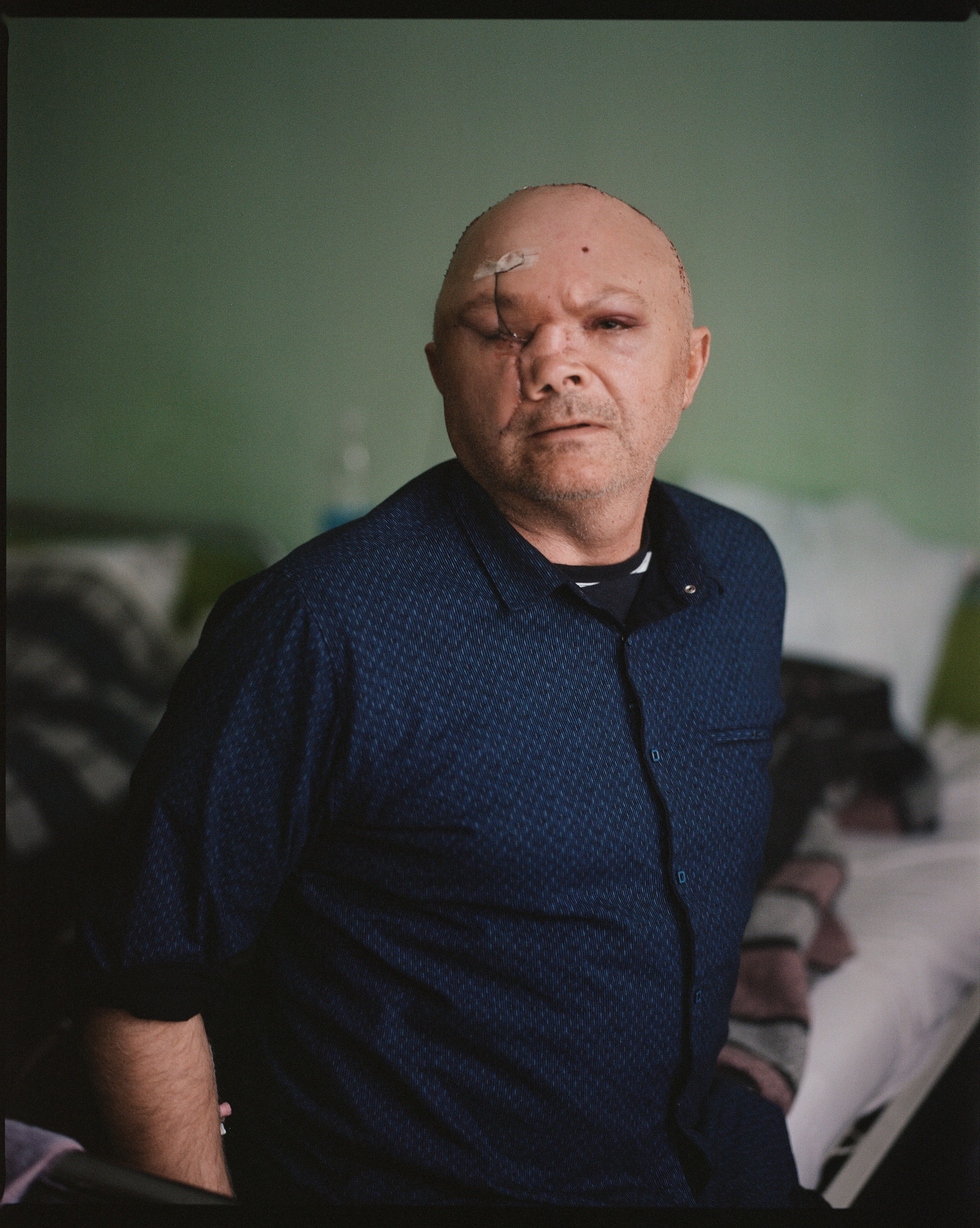
Ivan sits at the edge of his bed, just hours after his fourth surgery. He lost an eye and part of his nose in a mine explosion while defending the Pokrovsk direction in July 2024. Kyiv, May 2025. Photo: Josh Olley/UNITED24 Media.

“In the corridors of the Facial Reconstruction Wing of a Military Hospital, men aged 40-60 lay quietly on hospital rollers, waiting. They reminded me of my father—heavyset, worn, the kind of men whose bodies carried both the weight of time and the stubbornness of old strength”, photo reporter Josh Olley notes. “When I asked to take a portrait of Ivan—the soldier who had lost an eye and part of his nose—he gathered himself, sat up straight, and faced the camera with quiet dignity. These are the real heroes: ordinary men, drawn into extraordinary acts of courage”.
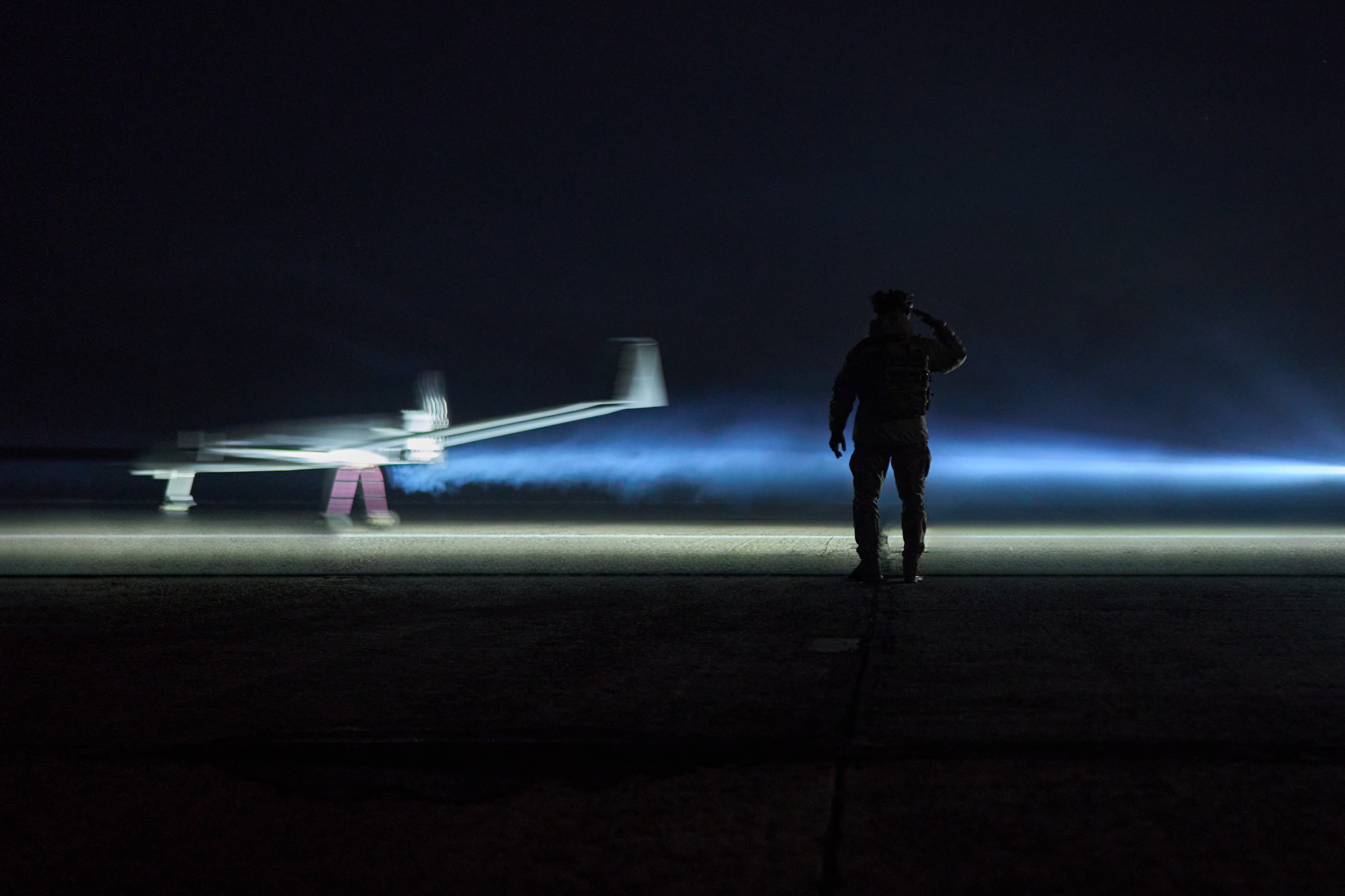
Ukraine’s deep-strike Liutyi (“Fierce”) UAV is capable of flying over 1,000 km at speeds of 250–300 km/h with a substantial payload, helping Ukraine disrupt Russian oil depots, ammunition stockpiles, and other key sites. Photo: Mykyta Shandyba/UNITED24 Media.

“Today, we’ll show you something very special,” said the battalion commander, callsign “Casper,” stepping aside to reveal Ukraine’s latest long-range weapon—the Liutyi unmanned aerial vehicle (UAV). We took a look inside Ukraine’s 14th Deep Strike Unit of the Unmanned Systems Forces as they prepare and launch their Liutyi long-range strike drones, showcasing the skill, precision, and advanced technology behind these UAVs designed to hit strategic military and infrastructure targets deep inside Russian territory.
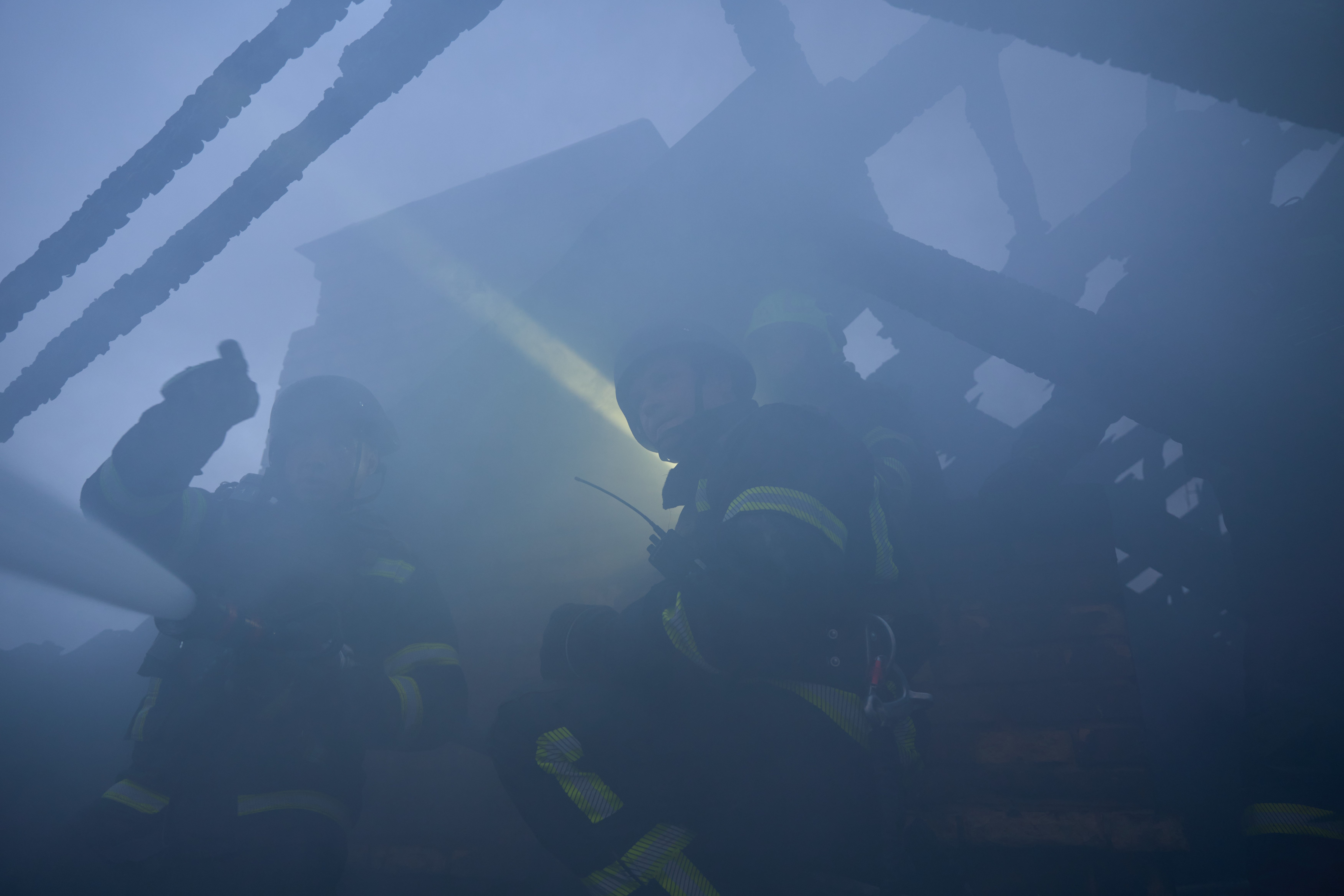
Emergency Service personnel working directly to extinguish a fire caused by another Russian strike with Shahed drones. Mykyta Shandyba/UNITED24 Media.
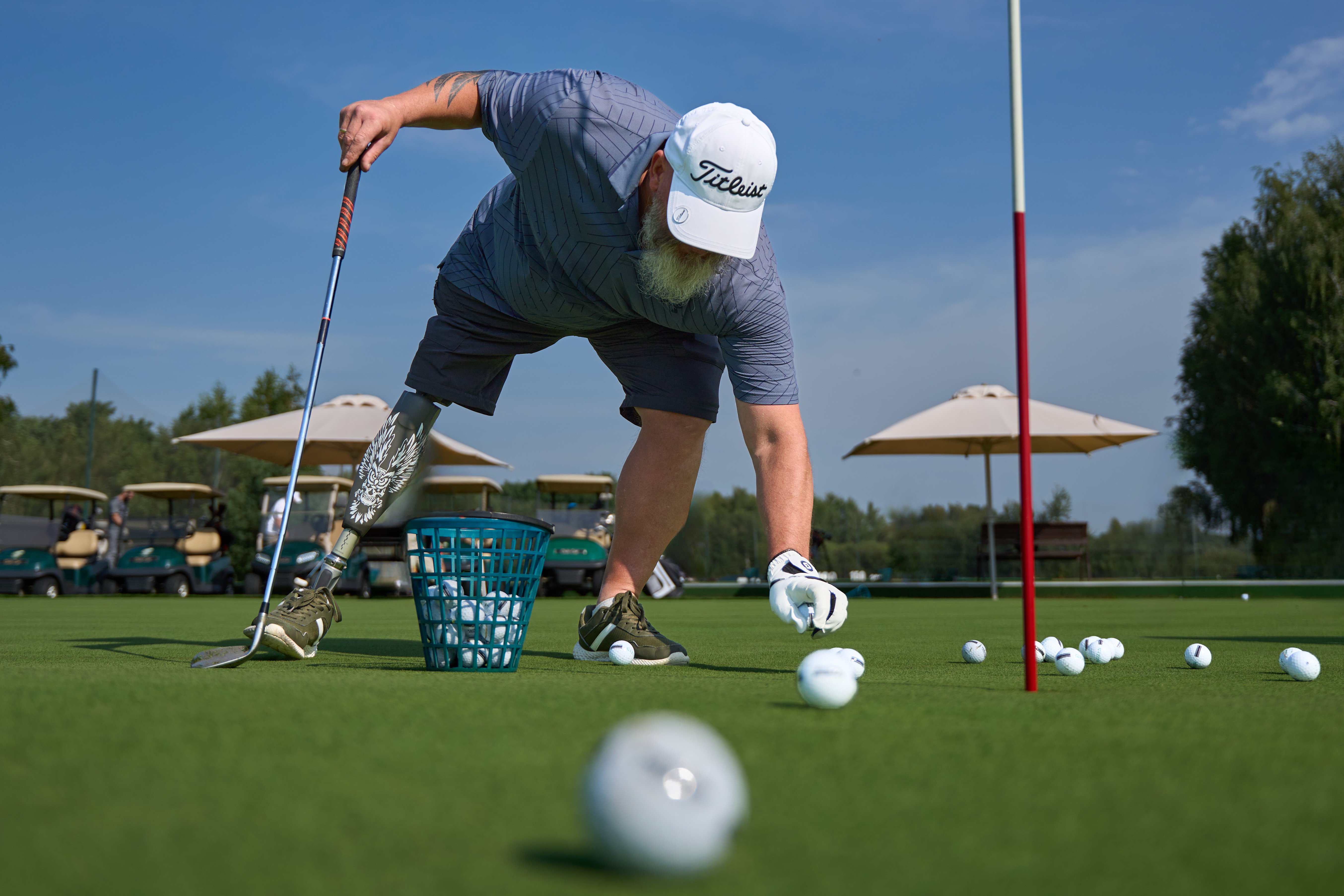
Ukrainian war veterans who have lost limbs are using golf as a form of rehabilitation and community building. Photo: Mykyta Shandyba/UNITED24 Media.

Through the United By Golf initiative, originally started by the Ukrainian Golf Federation, hundreds of wounded veterans have taken up golf to aid their physical and mental recovery after injury, finding camaraderie, focus, and renewed purpose on the course. Veterans say the sport helps with confidence, concentration, and reintegration into life after injury, with some even forming deep personal bonds through the activity.
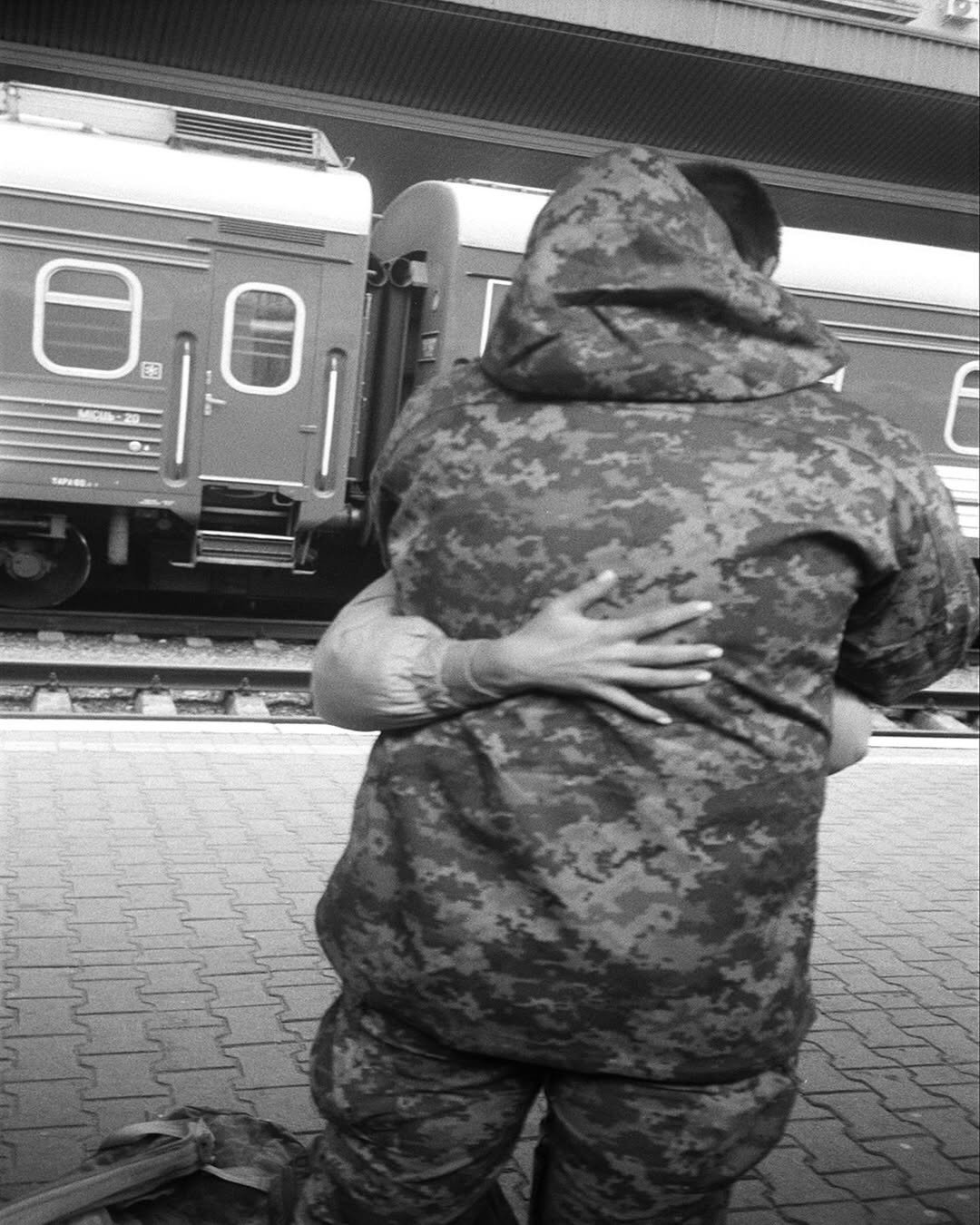
A couple embrace after a soldier disembarks from the “love train”, the Kramatorsk to Kyiv route. This route has now been cancelled due to proximity of the frontline to the station. Photo: Cocobongo (Conall Kearney)/UNITED24 Media.

The “Love Train” to Donetsk region officially stopped operating in November 2025, as escalating Russian military attacks on the region made train travel too dangerous. The suspension marked the end of a vital connection to cities like Kramatorsk and Slovyansk.
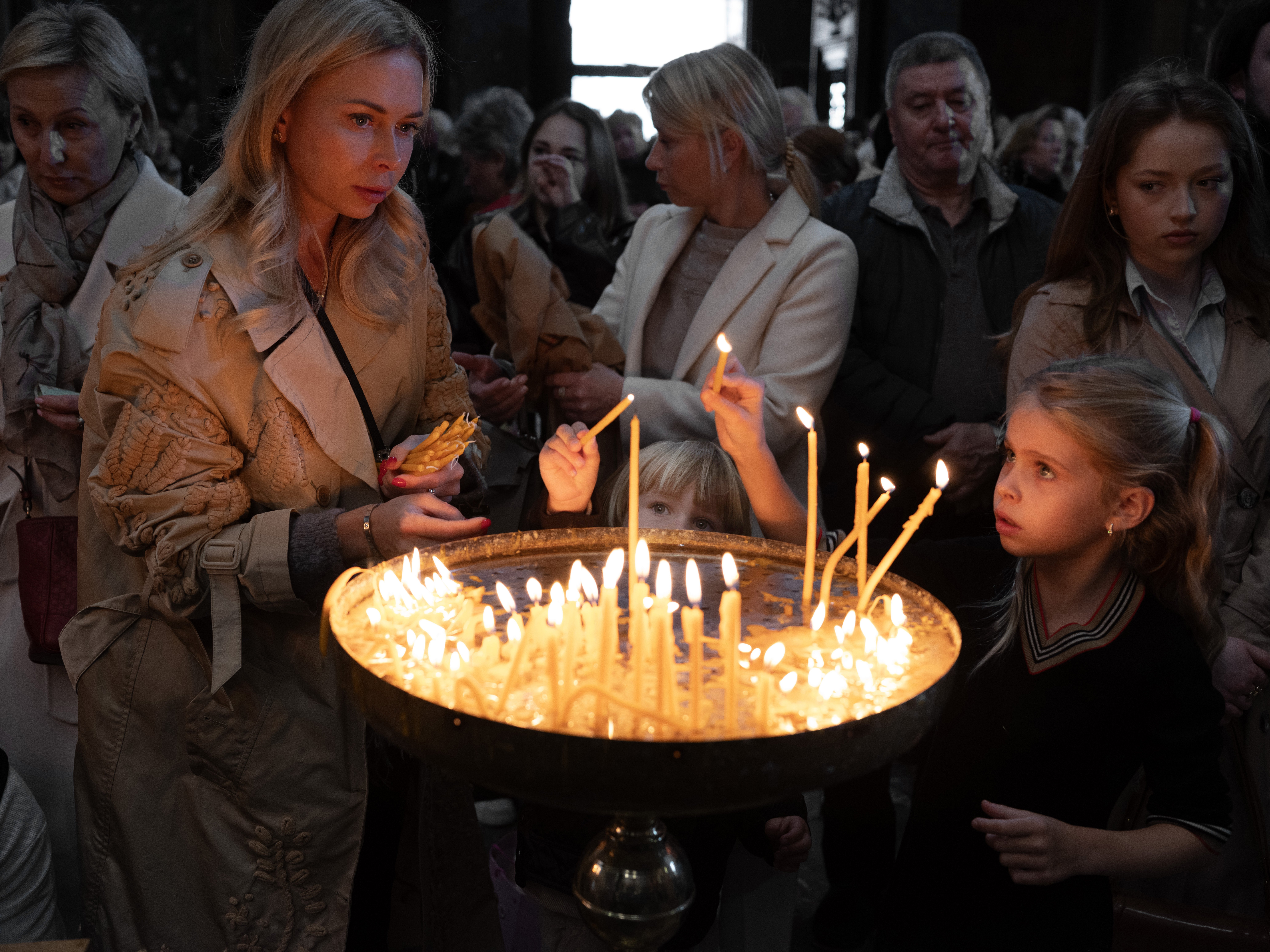
The Garrison Church of Saints Peter and Paul in Lviv is filled with worshippers. Photo: Josh Olley/UNITED24 Media.

In the western Ukrainian city of Lviv, the Saints Peter and Paul Garrison Church is a living monument to Ukraine’s endurance. The Baroque church, built between 1610 and 1730, was closed and damaged under Soviet rule, later used to store books, and left roofless for years, but has since been carefully restored through a Ukrainian‑Polish partnership. Today it serves as a spiritual center in wartime Ukraine, hosting funerals for fallen soldiers and offering solace to civilians, while broader efforts protect religious landmarks from damage amid Russia’s full‑scale invasion.
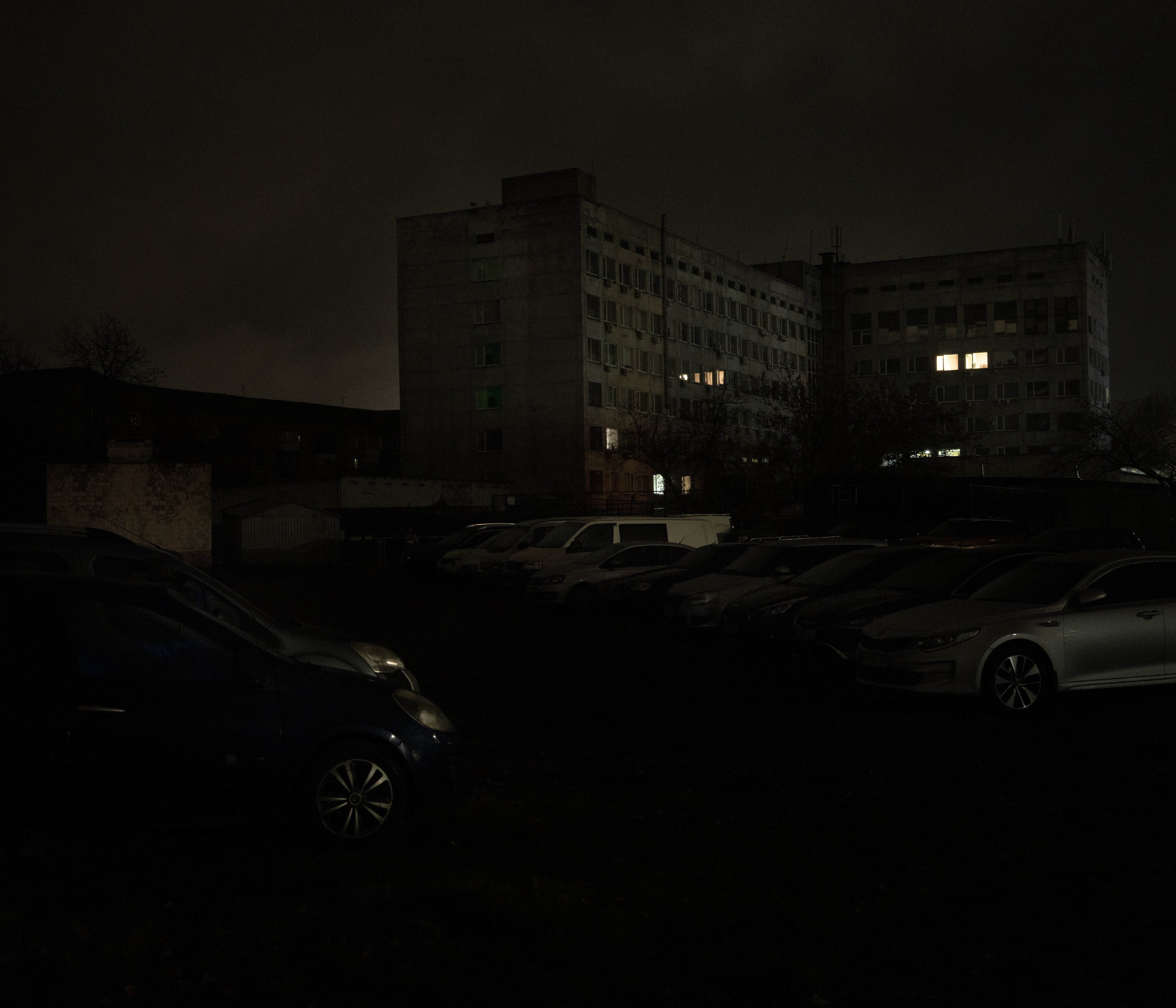
Russia’s strikes on Ukraine’s energy system traditionally intensify sharply with the onset of the cold season. To keep the grid functioning, Ukraine implements consumption limits and rolling blackout schedules across multiple regions. Photo: Josh Olley/UNITED24 Media.
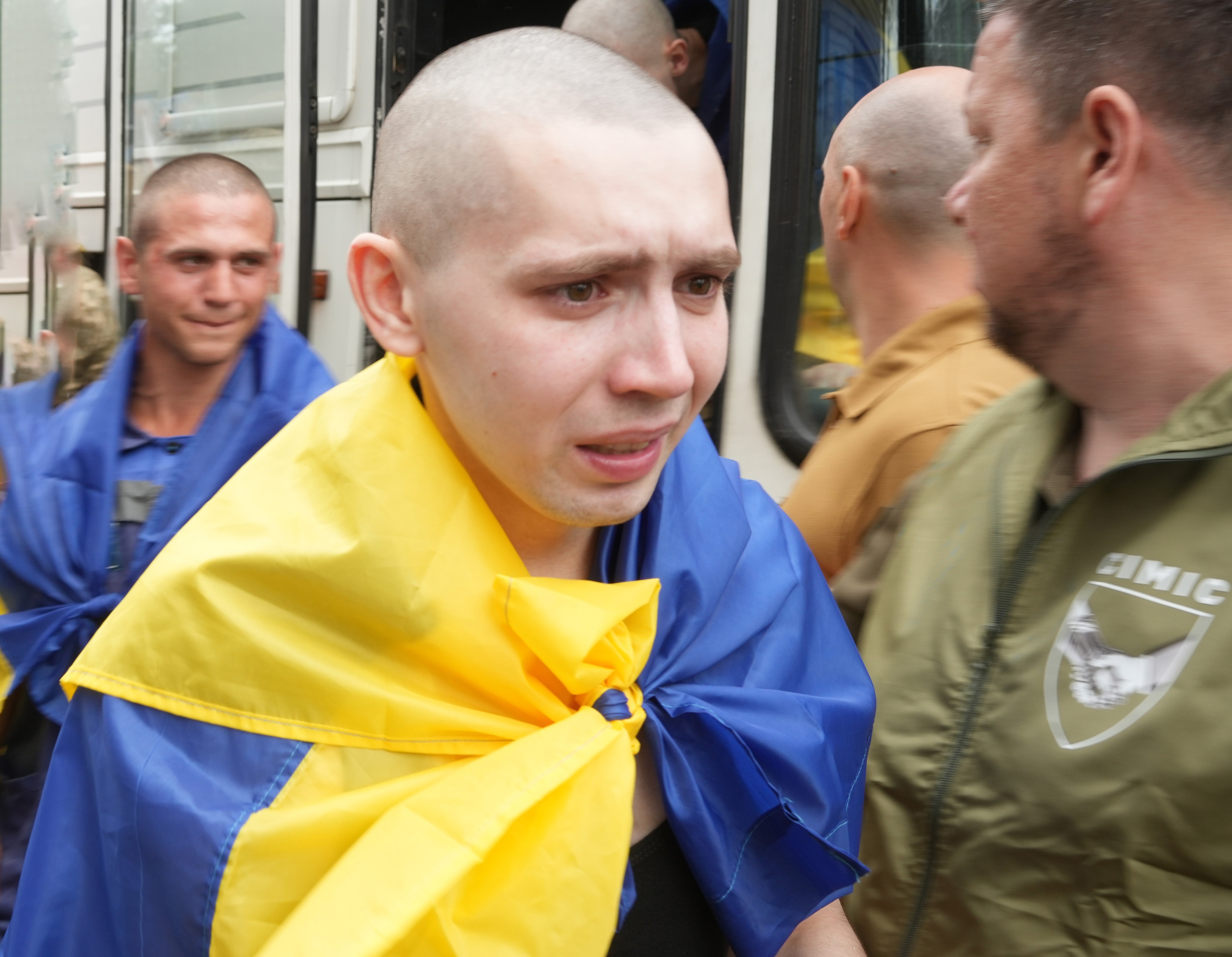
At a undisclosed location. Russia for the first time released prisoners of war under the age of 25. Many of these defenders spent over three years of hell in Russian captivity. Photo: Josh Olley/UNITED24 Media.
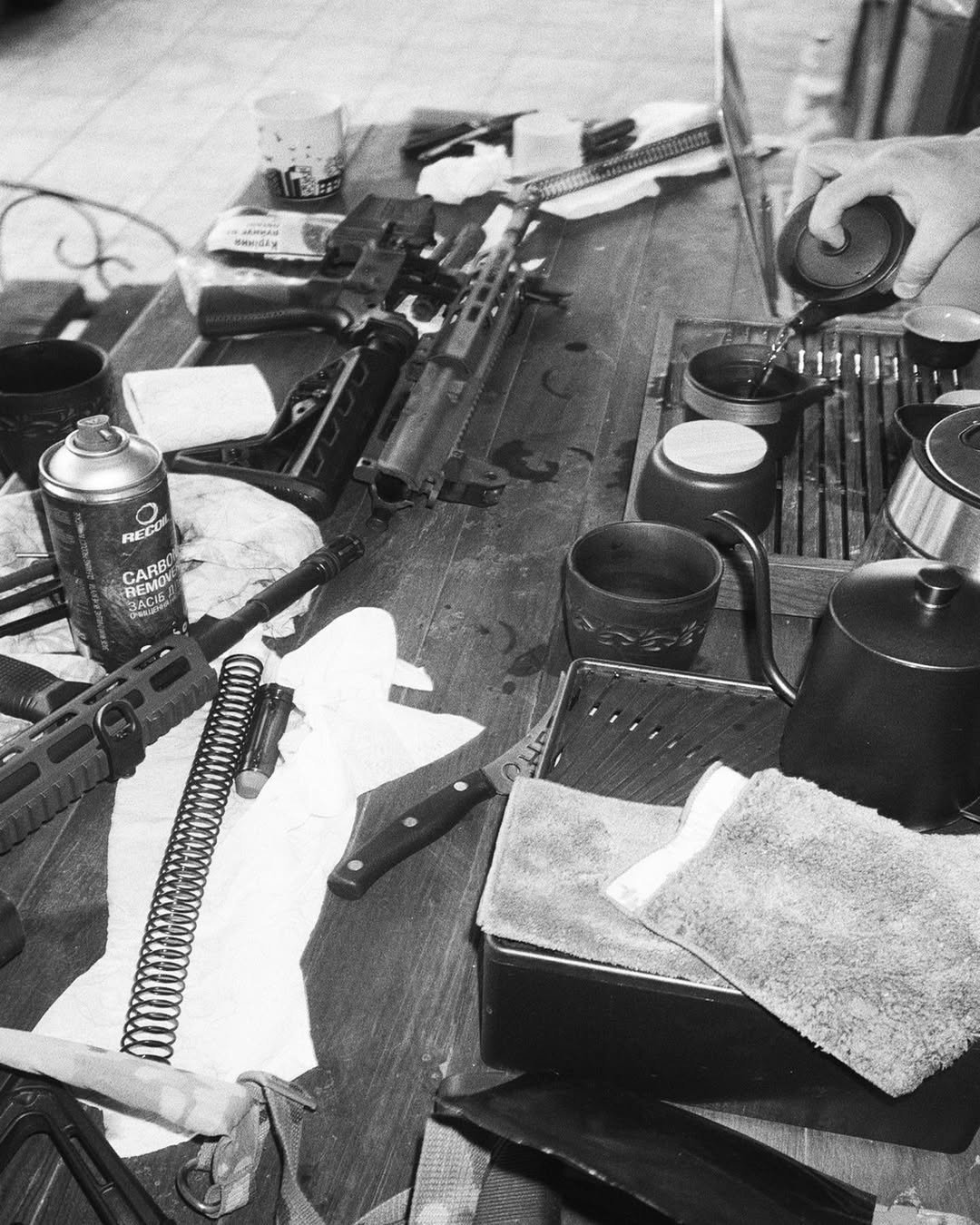
At the positions of a Die Hard Group. “You must find a routine in such a tiny space to avoid going mad. We sleep, we eat, we get shelled, and we watch as Jerry and Illich spend all day flying recon missions, coordinating attacks on the advancing Russians”. Photo: Cocobongo (Conall Kearney)/UNITED24 Media.

Die Hard Group, a militant straight edge community, believe in clean living and a sober life”, Cocobongo explains. “What was meant to be a short trip turned into eight days, with us living in a tiny basement in the Toretsk direction with Die Hard members Illich and Jerry. Rotation by armoured car was constantly delayed due to the danger and priority being given to injured soldiers who needed to be evacuated”.
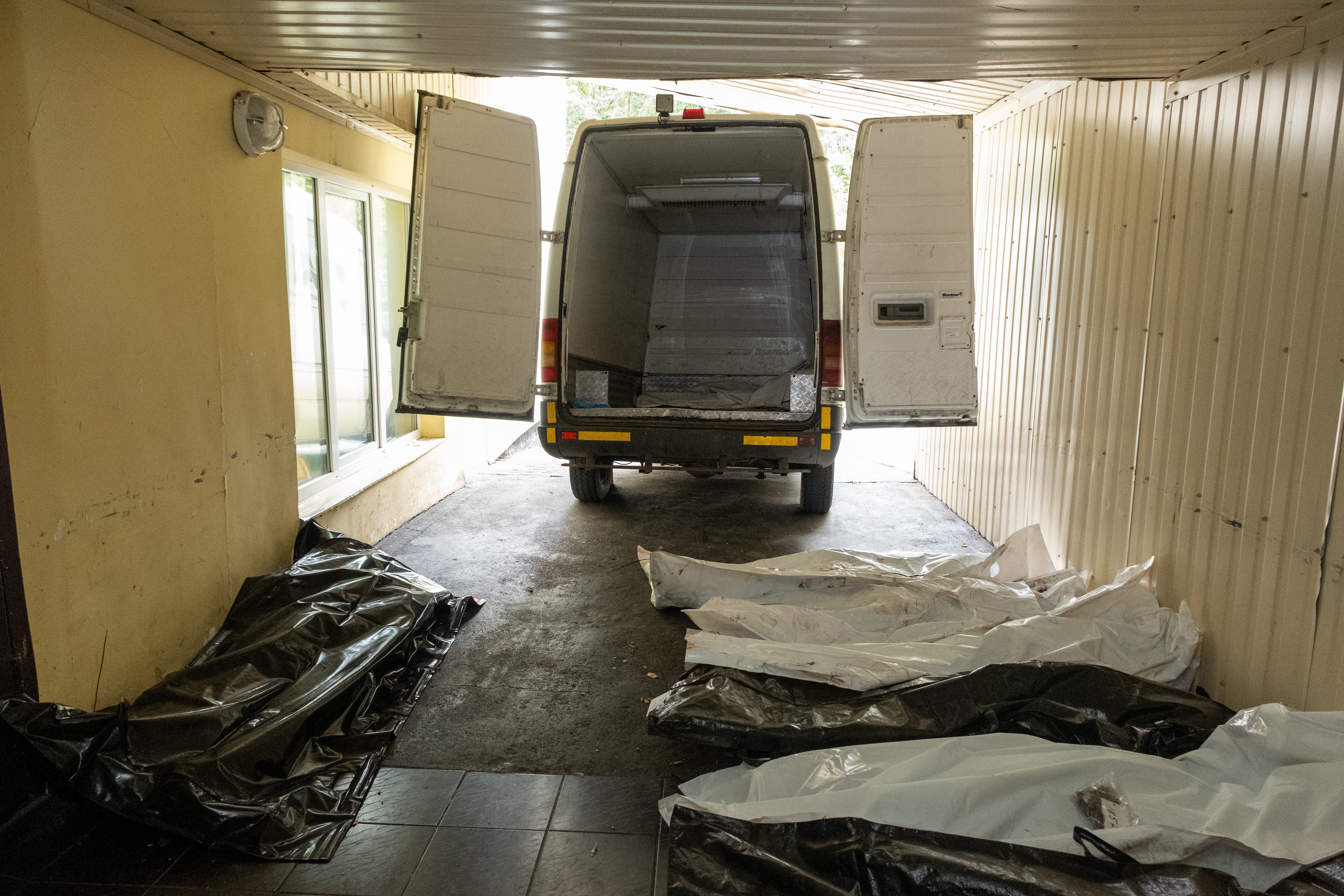
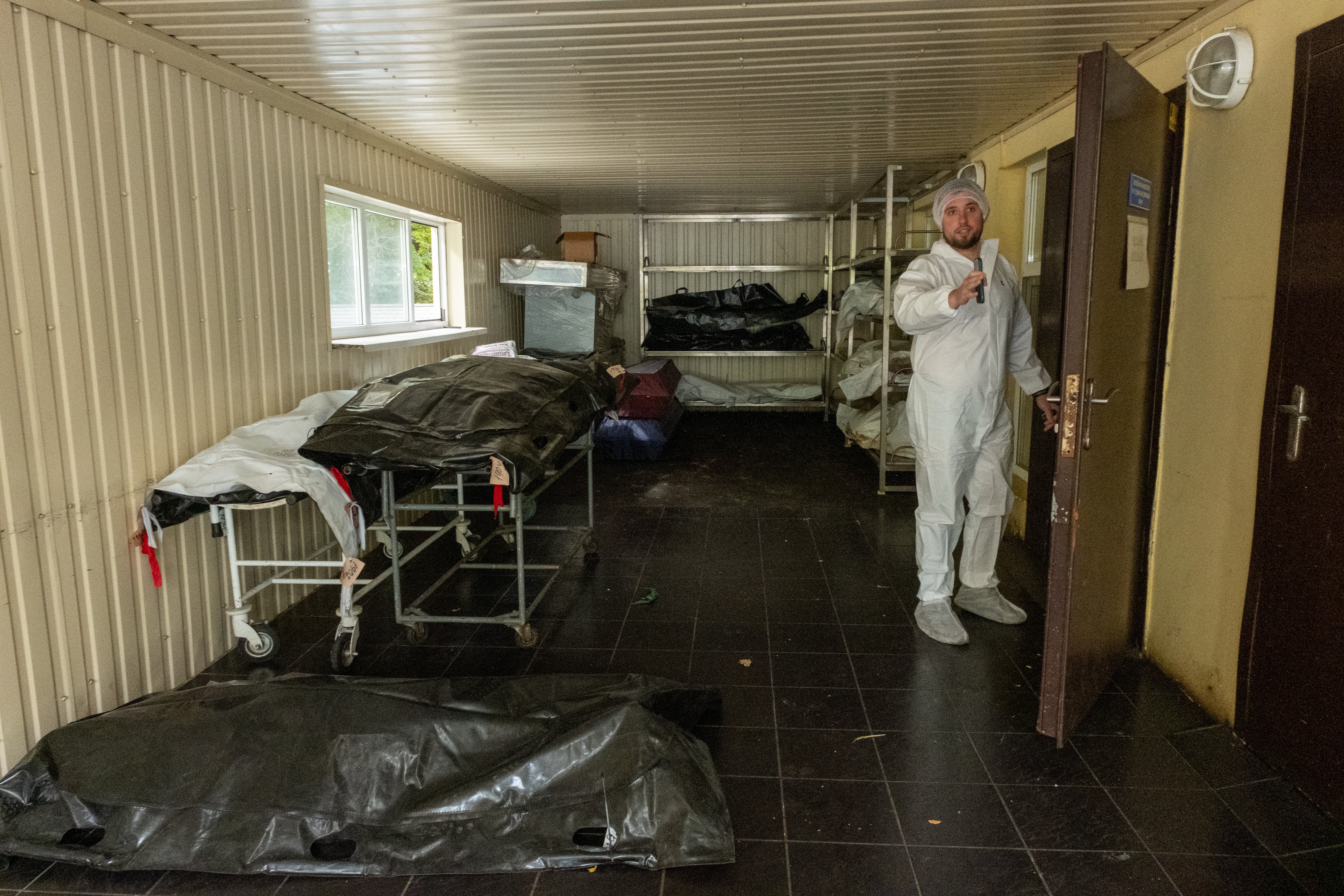
New bodies of fallen soldiers are brought in by truck every day at the Municipal Multi-field Clinical Hospital №4 in Dnirpo. Now begins the pain staking process of identification. Photo: Daniel Kosoy/UNITED24 Media.
New bodies are brought in by truck every day, testing the capabilities of the morgue’s exhausted staff. Photo: Daniel Kosoy / UNITED24 Media.

We traveled to the city of Dnipro to visit the Municipal Multi-field Clinical Hospital №4, which houses one of Ukraine’s main morgues, a facility entrusted with one of the country’s heaviest responsibilities: storing and identifying the bodies of fallen soldiers, alongside the continuous flow of civilian deaths.

“That day it felt like the bodies came on a conveyor belt”, reporter and photographer Daniel Kosoy recalls, “the staff performed their duties in a perfectly synchronized manor. It goes without saying this day wasn’t out of the ordinary for them. It wasn’t the least bit encouraging, but their job is the closest thing to the definition of ‘essential work’ that I’ve ever witnessed.”
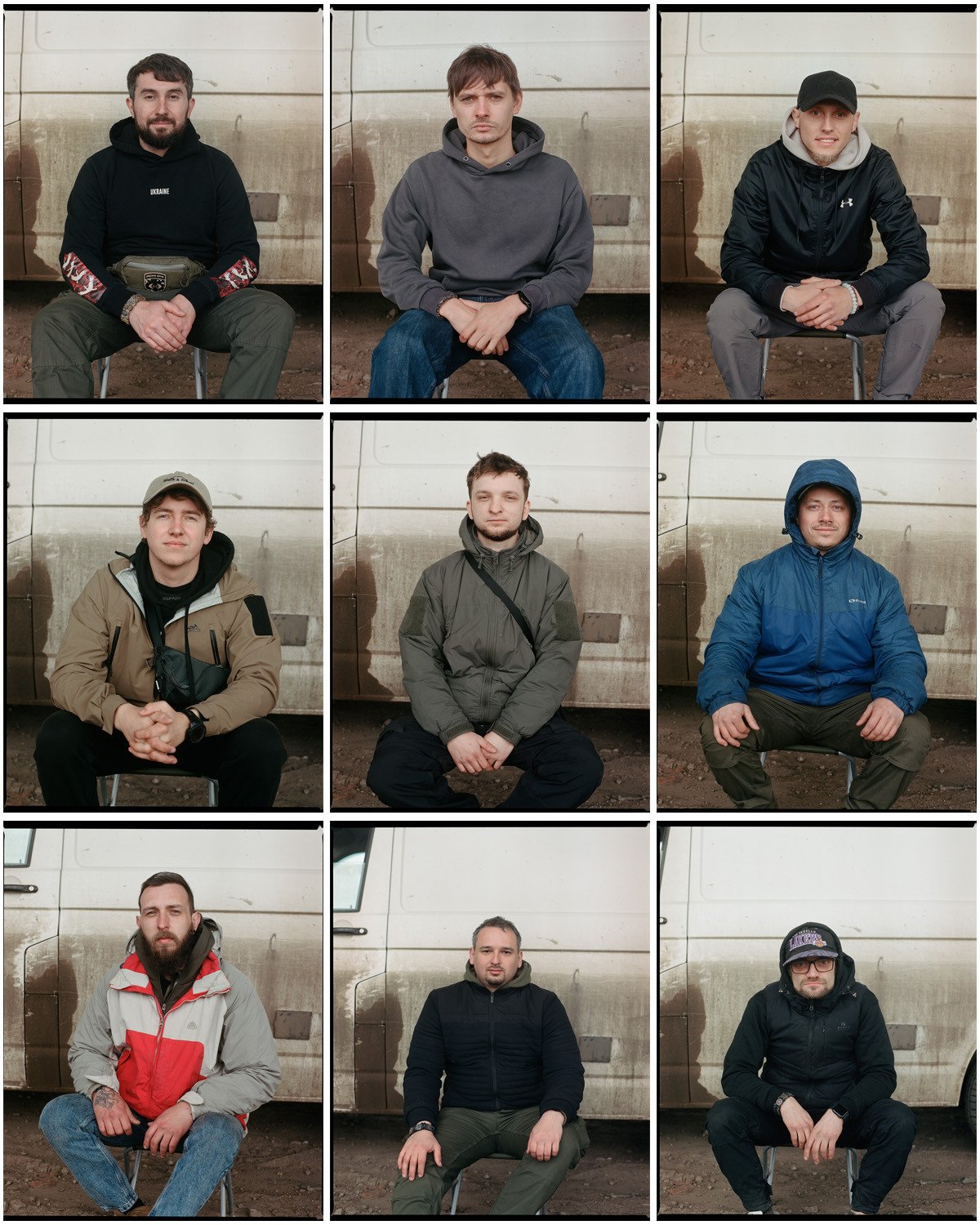
Many of “Clear Eyes” members are young and come from creative and civilian backgrounds. Before the war, they were a child psychologist, a graphic designer, DJ, and a programmer with over 11 years of experience. Photo: Josh Olley/UNITED24 Media.

In Kharkiv region Josh Olley met members of Yasni Ochi, a strike drone unit within the 13th Khartiia Brigade. Just three and a half years ago, none of its members had any military ties. Today, they’re among the most effective drone teams on the entire front. “Make sure people know—we’re not cyborgs,” Heorhii, the unit’s commander, says. “We’re regular folks who had to stand up and fight. Because otherwise, we’re screwed.”
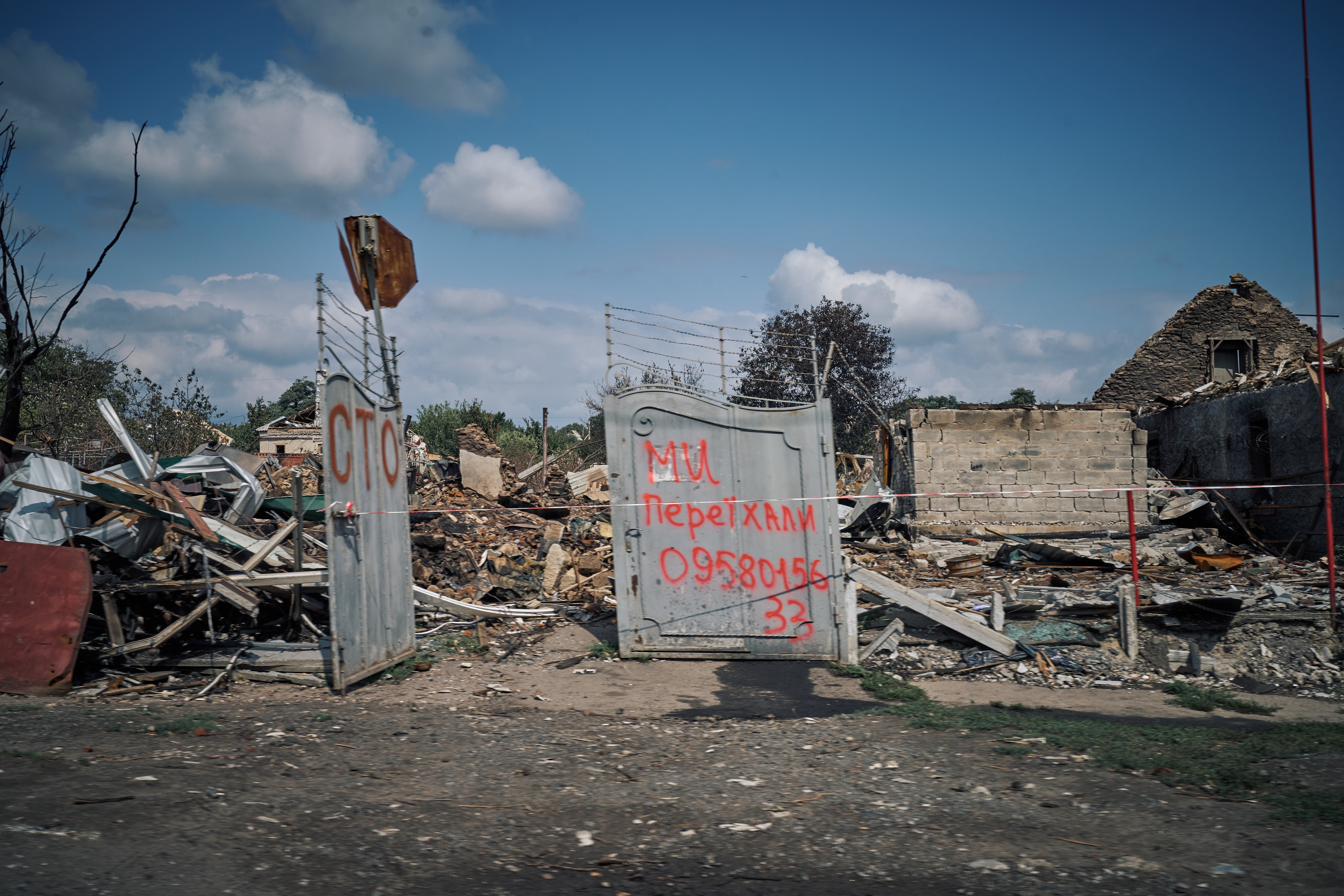
“We’ve moved,” reads the sign on the broken gates of the car service, now reduced to rubble. Kostiantynivka. August, 2025. Photo: Josh Olley/UNITED24 Media.

These images stand as a historical record, conveying stories that extend beyond words, providing a visual testament to the enduring resilience, sacrifice, and complexity of life in Ukraine amid the ongoing Russian invasion.

See all

Support UNITED24 Media Team

Your donation powers frontline reporting and counters Russian disinformation. United, we defend the truth in times of war.