- Category
- War in Ukraine
20 Points of Ukraine’s Peace Plan: Security Guarantees, Reconstruction, EU Membership
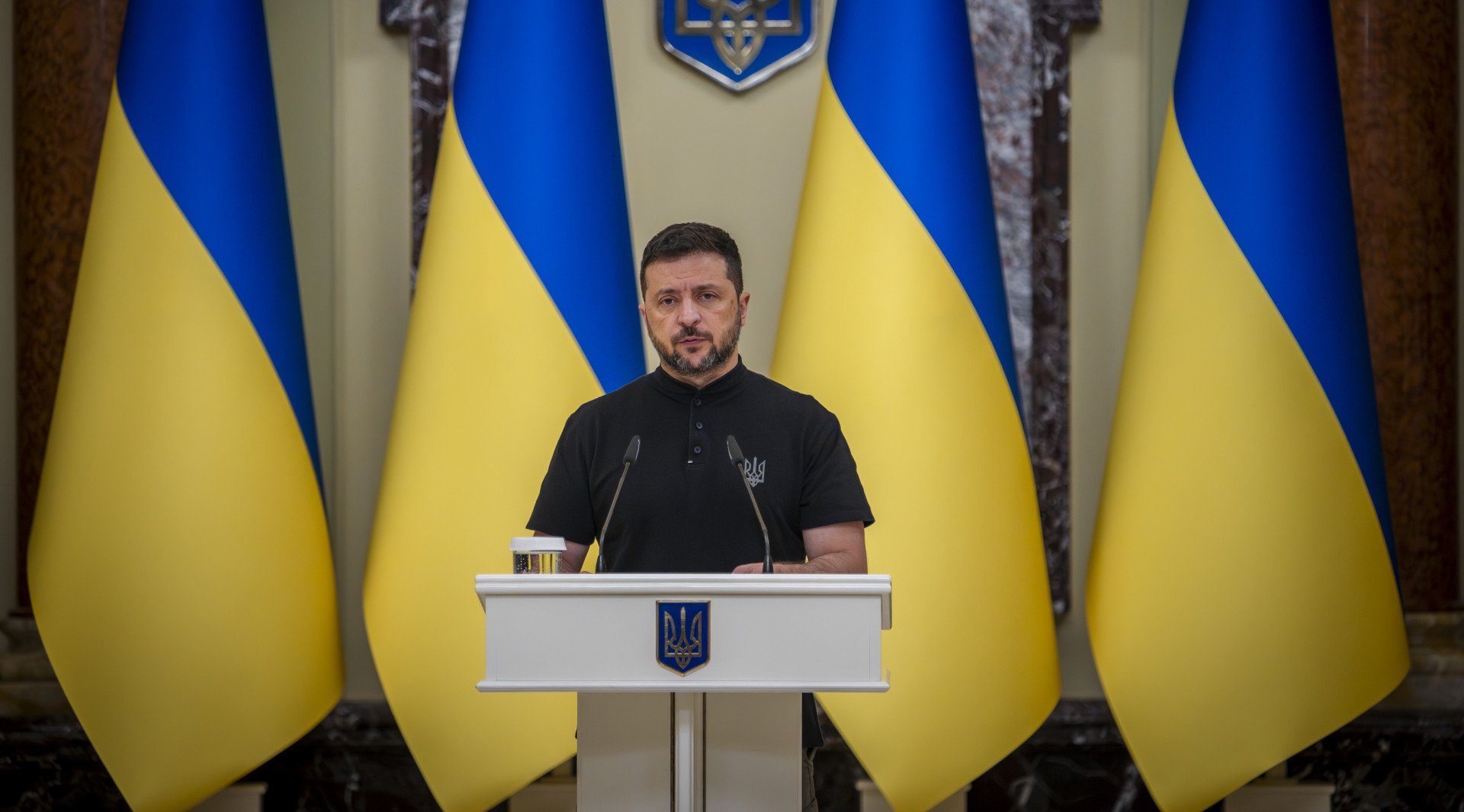
While discussing the issue of a peace agreement, Ukraine has prepared a framework agreement—a draft of a basic document on ending the war. It contains 20 points addressing a ceasefire, security guarantees, Ukraine’s future for decades ahead, and other key issues that have been raised previously.
 Prefer U24 Media on Google
- Authors

-29a1a43aba23f9bb779a1ac8b98d2121.jpeg "Photo of Illia Kabachynskyi")
At a meeting with journalists, Ukrainian President Volodymyr Zelenskyy presented the plan point by point, outlining all 20. The entire document is the result of joint work with Ukraine’s partners, including the United States and representatives of US President Donald Trump.
We bring you stories from the ground. Your support keeps our team in the field.
“The documents largely reflect a joint Ukrainian-American position, in some aspects an American position, and some issues are still subject to resolution. But we have come significantly closer to finalizing the documents,” Zelenskyy explained.
It is expected that today—December 24—Moscow may express its reaction to the document, as the United States is scheduled to hold talks with them on this day.
Among the key issues are security guarantees:
a trilateral agreement—Ukraine, the United States, and Europe;
a bilateral agreement—Ukraine and the United States.
According to Zelenskyy, there is a separate annex that represents the military dimension of security guarantees for Ukraine. It is a detailed plan outlining how security will actually be guaranteed under various circumstances.
“In fact, thanks to these security guarantee documents, we will be able to see a strong Ukraine,” the President of Ukraine added.
The plan also includes a roadmap for Ukraine’s prosperity—a long-term economic document with a vision extending to 2040, developed jointly with the United States. It effectively provides for all key elements of an investment agreement and future reconstruction.
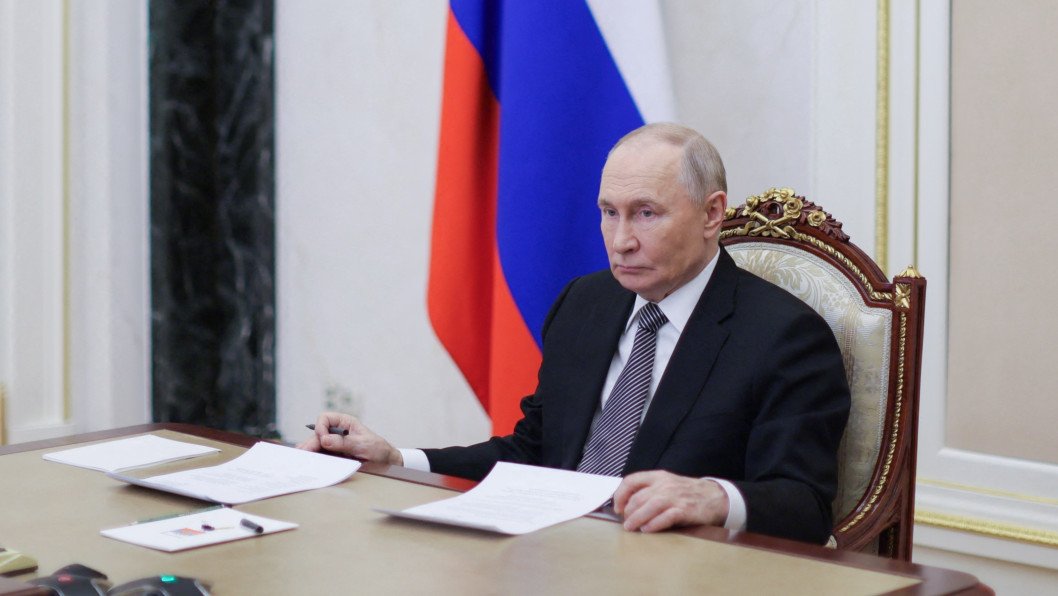
Below is a point-by-point breakdown. It is important to note that this is a draft document—a framework agreement—that will continue to be refined, including at the level of leaders.
Point 1
Ukraine’s sovereignty will be reaffirmed. We state that Ukraine is a sovereign state, and all signatories to the agreement confirm this with their signatures.
Point 2
This document constitutes a complete and unconditional non-aggression agreement between Russia and Ukraine. It specifies that, to support long-term peace, a monitoring mechanism will be established to oversee the line of contact using space-based unmanned monitoring, provide early warning of violations, and resolve conflicts. Technical teams will agree on all details.
Point 3
Ukraine will receive strong security guarantees.
Point 4
The size of the Armed Forces of Ukraine will remain at 800,000 personnel in peacetime.
Point 5
The United States, NATO, and European signatory states will provide Ukraine with security guarantees that mirror NATO’s Article 5. This point includes subpoints:
if Russia invades Ukraine, in addition to a coordinated military response, all global sanctions against Russia will be reinstated;
if Ukraine invades Russia or opens fire on Russian territory without provocation, the security guarantees will be considered invalid. If Russia opens fire on Ukraine, the security guarantees will come into force.
Bilateral security guarantees are not excluded under this agreement. That is, Ukraine may sign agreements with Canada, Japan, and others.
-081da19d37e3c9e8e3e089b8096a55b0.jpg)
Point 6
Russia will enshrine a policy of non-aggression toward Europe and Ukraine in all necessary laws, including ratification by an overwhelming majority in the State Duma. This is the position of the United States.
Point 7
Ukraine will become a member of the EU by a specific date—either 2027 or 2028, as agreed by the parties.
In addition, Ukraine will receive short-term privileged access to the European market. For Ukraine, EU membership is also about security guarantees. A date is needed because it provides concreteness and serves as a security guarantee.
Point 8
This point concerns a global development package for Ukraine, to be defined in a separate agreement on investment and future prosperity. It will cover a wide range of economic sectors, including but not limited to:
creation of a Ukraine Development Fund to invest in fast-growing sectors, including technology, data centers, and artificial intelligence;
the United States and American companies will cooperate with Ukraine and jointly invest in reconstruction and in the development, modernization, and operation of Ukraine’s gas infrastructure, including pipelines and storage facilities;
joint efforts will be made to reconstruct territories affected by the war;
Ukraine will have the ability to determine priorities for allocating its share of funds to territories under Ukrainian control;
infrastructure development;
extraction of minerals and natural resources;
the World Bank will provide a special financing package to ensure funding to accelerate these efforts.
The goal is to attract $800 billion through equity, grants, debt obligations, and private-sector contributions to help Ukraine fully realize its potential. This figure represents an overall estimate of war-related losses.
Point 9.
The United States and European countries will establish a capital and grants fund with a target size of $200 billion for transparent and effective investment in Ukraine. Negotiations on the amount and terms are still ongoing.
A wide range of capital investments and other financial instruments will be used for Ukraine’s postwar reconstruction.
Point 10
After the conclusion of this agreement, Ukraine will accelerate the process of concluding a free trade agreement with the United States. The position of the United States is that a similar agreement could also be concluded with Russia.
“We do not see the lifting of sanctions in this agreement between Ukraine and America, but we understand that America will pursue a gradual lifting of sanctions after the end of the war. And here the question is how strong the Europeans can be. This mechanism is not included in this agreement, and I believe that this is important,” Zelenskyy added.
-7d379ccc40465f967ecebdd2f23664b5.jpg)
Point 11
Ukraine confirms that it will remain a non-nuclear state in accordance with the Treaty on the Non-Proliferation of Nuclear Weapons.
Point 12 / One of the most difficult
This point concerns the Zaporizhzhia Nuclear Power Plant.
The US proposal is that the Zaporizhzhia NPP would be jointly operated by three countries—Ukraine, the United States, and Russia—with 33% for each, and the United States acting as manager. For Ukraine, this option is unacceptable—how can one work with those who occupied your plant and attacked you?
Ukraine proposes that the plant be operated by a joint enterprise consisting of the United States and Ukraine, on a 50–50 basis. Fifty percent of the electricity produced would go to Ukraine, while the United States would distribute the remaining 50% at its discretion.
The difficulty is that Moscow is convinced the plant already belongs to them. Another challenge is reconstruction: for the plant to operate, the Kakhovka dam must be rebuilt. These are large and expensive projects, and someone must pay for them—the dam repair alone costs $2.35 billion.
According to the Ukrainian side, the Kakhovka dam and hydroelectric power plant, which are necessary for the safe and normal operation of the Zaporizhzhia NPP, could be restored as a joint regional prosperity project with a similar operational structure. This would require the demilitarization of the cities of Enerhodar and Kakhovka. That is, Russian forces would need to withdraw.
Point 13
Both countries commit to implementing educational programs in schools and across society that promote understanding and tolerance of different cultures and eliminate racism and prejudice. Ukraine will implement EU rules on religious tolerance and the protection of minority languages.
Point 14 / The most difficult—territories
Talking about territories is the most difficult issue. Therefore, there are many nuances.
Ukraine proposes that in the Donetsk, Luhansk, Zaporizhzhia, and Kherson regions, the line of troop deployment as of the date of this agreement be recognized de facto as the line of contact: we stand where we stand.
In addition, the Russian Federation must withdraw its troops from the Dnipropetrovsk, Mykolaiv, Sumy, and Kharkiv regions for this agreement to enter into force.
A working group will convene to determine the movement of forces necessary to stop the conflict, as well as to define parameters of potential future special economic zones.
The first economic zone is Enerhodar. Russia must withdraw its troops from there, and the territory must be demilitarized.
A potential second free economic zone would be in the Donetsk region.

There are difficulties here: under Ukrainian law, Ukraine cannot do this without a referendum. Zelenskyy’s proposal regarding a referendum is comprehensive—Ukrainians would vote on the entire 20-point document as a whole. That way, it makes sense, and the Americans support this idea.
“A referendum requires at least 60 days. And we need a real ceasefire for 60 days. Otherwise, we cannot conduct it. That means the referendum would not be legitimate. An illegitimate referendum means internal division of the state. In addition, a referendum is, in principle, a challenge. But a referendum can be unifying. And who would go to a referendum under shelling?” Zelenskyy explained.
At the same time, a referendum is only required if new economic zones are created. If the war stops along the line of contact, it is not required.
If the parties agree specifically on creating a separate economic zone, challenges remain. If Ukraine withdraws its troops from its side and Kramatorsk and Sloviansk become cities within a free economic zone, then Russia must also withdraw its troops to the same distance—approximately 40 km. The line separating this zone would be controlled by international forces.
Finally, the parties agree to adhere to the rules, guarantees, and obligations of the 1949 Geneva Conventions and their Additional Protocols, which fully apply in the territory, including universally recognized human rights.
Point 15
After agreeing on future territorial arrangements, both the Russian Federation and Ukraine commit not to change these arrangements by force. Any changes may occur only through diplomatic means.
Point 16
Russia will not obstruct Ukraine’s use of the Dnipro River and the Black Sea for commercial activities.
Point 17
Resolution of humanitarian issues:
all remaining prisoners of war, including those convicted by the Russian system since 2014 and still held, will be exchanged on an all-for-all basis;
all detained civilians and hostages, including children and political prisoners, will be returned;
measures will be taken to address the problems and suffering of the victims of the war.
Point 18
Ukraine must hold elections as soon as possible after the agreement is signed. Ukraine sees no problem with elections, provided they are conducted safely.
Point 19
This agreement will be legally binding. Its implementation will be monitored and guaranteed by a Peace Council chaired by President Trump. Ukraine, Europe, NATO, Russia, and the United States will be part of this mechanism. Violations will trigger sanctions.
Point 20
After all parties agree to this agreement, a full ceasefire will enter into force immediately.
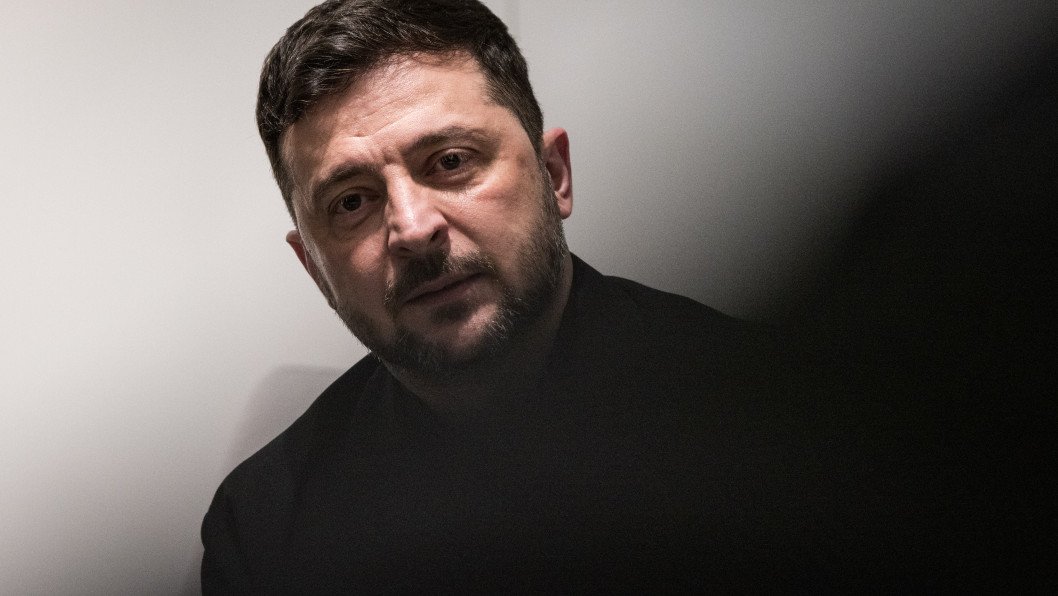
Separately, the President of Ukraine answered several additional questions:
In the case of a referendum, it must be fully legitimate and safe.
On NATO. According to Zelenskyy, the 20 points represent an agreement among America, Ukraine, Europe, and Russia.
“In our view, it is the choice of NATO members whether to have Ukraine or not. And our choice has been made. We have moved away from changing the Constitution of Ukraine to state that Ukraine will not join NATO. That was a requirement in 28 points. And we are not going down that path. And we found arguments. They want to negotiate separately—NATO and Russia—about the future. And I think that in these separate agreements they will raise the issue of Ukrainian NATO membership. But it is still an agreement of someone with someone else, not ours. And I believe this is very important for Ukraine’s future,” Zelenskyy added.
There is currently no deadline for discussing this document, but it is known that Trump seeks to sign these documents as quickly as possible.
The United States is providing extremely strong security guarantees to Ukraine—guarantees that only a few countries have—and for them this is a major step toward Ukraine: finances, security, the economy, and more. Because it is not enough to have an army of 800,000; it must be equipped with weapons, supported by a strong, growing economy, and reconstruction.
China’s rhetoric regarding Ukraine and the peace process is non-confrontational, but it is also not the kind that helps end the war.
Earlier, reports emerged that Russia was not seriously considering a potential three-way meeting between representatives of Russia, the US, and Ukraine.
Discuss this article:
-9bd5e1532102621f8fb1c4ba871a3171.png)