- Category
- War in Ukraine
Drones Make War Deadlier: What Life Is Like on Ukraine’s Battlefield Today
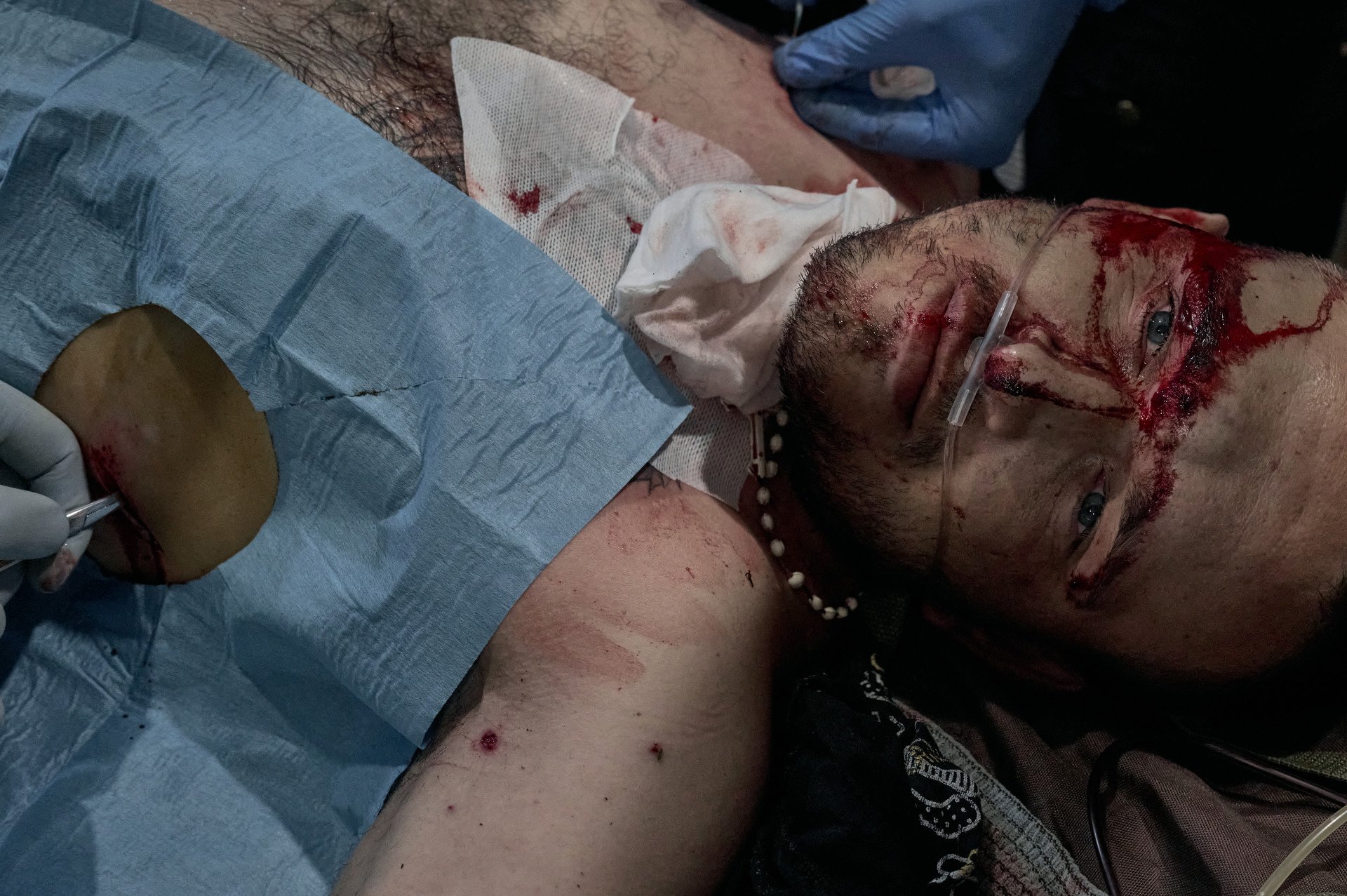
Where vehicles once drove freely, FPV drones now hunt day and night. Accessing the zero line for journalists has become almost impossible, casualty evacuations are perilous, and a new Russian drone unit called Rubicon has made life deadlier than ever.
 Prefer U24 Media on Google
- Authors

-554f0711f15a880af68b2550a739eee4.jpg "Photo of Lucile Brizard")
Five months ago, at Bar 13 in Kyiv, a place where you could meet a techno kid decked out in Balenciaga or an international correspondent, I met “Saint,” the UAV battalion commander I’d interviewed the month before. Under the dark lights, he seemed distracted.
Saint, who is handsome, if slightly nerdy, has a quiet authoritative presence. “Everything I told you doesn’t stand today,” he says. Fiber optic drones and the overwhelming presence of first-person-view drones (FPVs) available to Russian units have widened the strike zone behind Ukrainian lines from 5 km to 30 km.
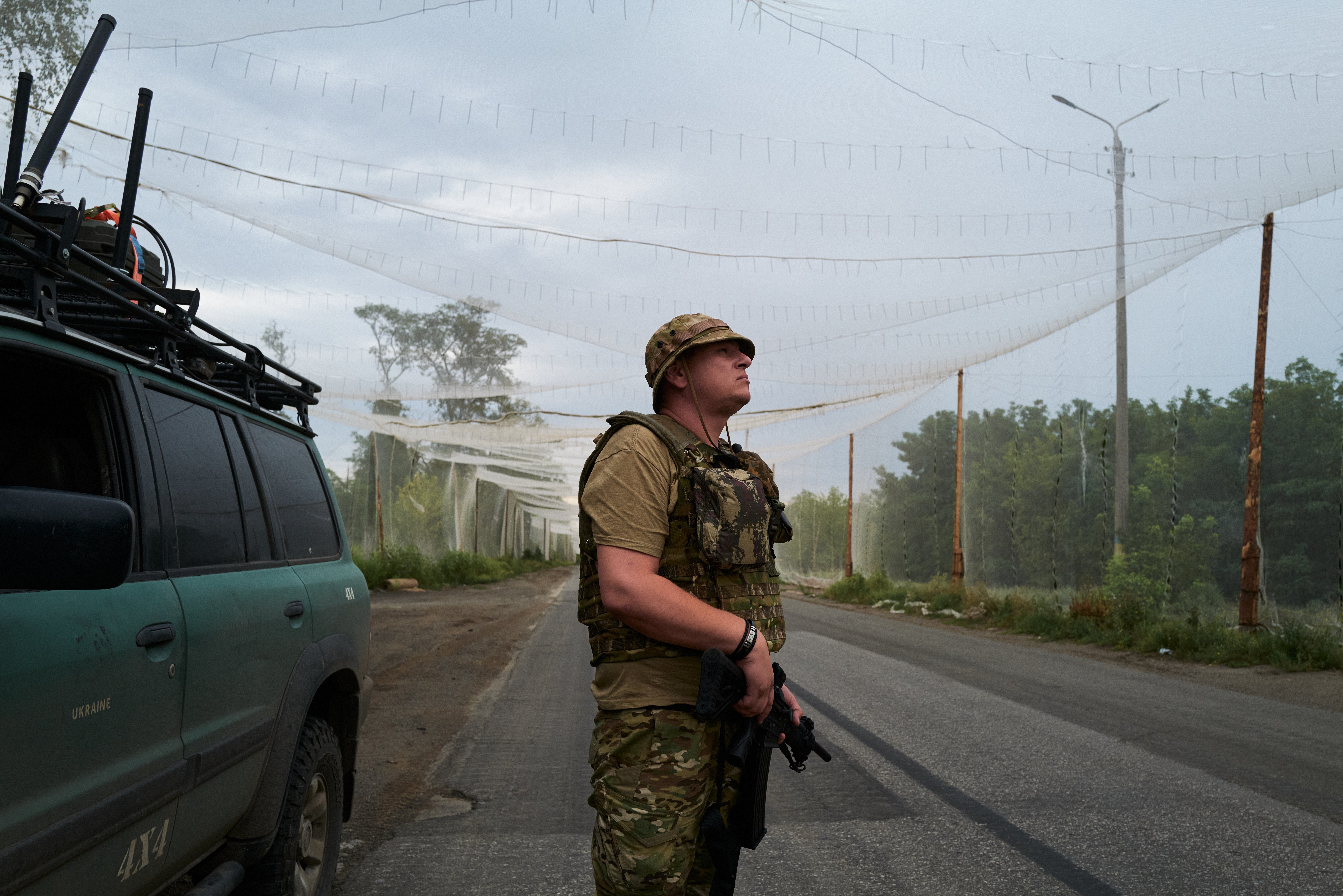
Saint remembers the month the war changed. He recalled the moment he recognized the shift while working in Kostiantynivka. Kostiantynivka is the southern entry point to Ukraine’s last fortified line in the Donetsk region, on the way to Kramtorsk (the east’s biggest city).
“It was 10 pm, and the area, which was usually quiet, had three or four Russian drones patrolling above the road about 15 kilometers from the frontline,” he said. “That was unusual for us.”
Rubicon drone unit
The FPVs were on what Saint describes as a “free hunt”— targeting any vehicle they could find. Two weeks later, the same situation happened 10 to 15 km from the frontline at another recon position, which previously had been “chill.” Though no one was hurt, the unit’s van was targeted and destroyed, according to Saint.
Since then, his battalion has lost several vehicles; a situation common across many units, which can lose up to two per month, destroyed by Russian FPVs.
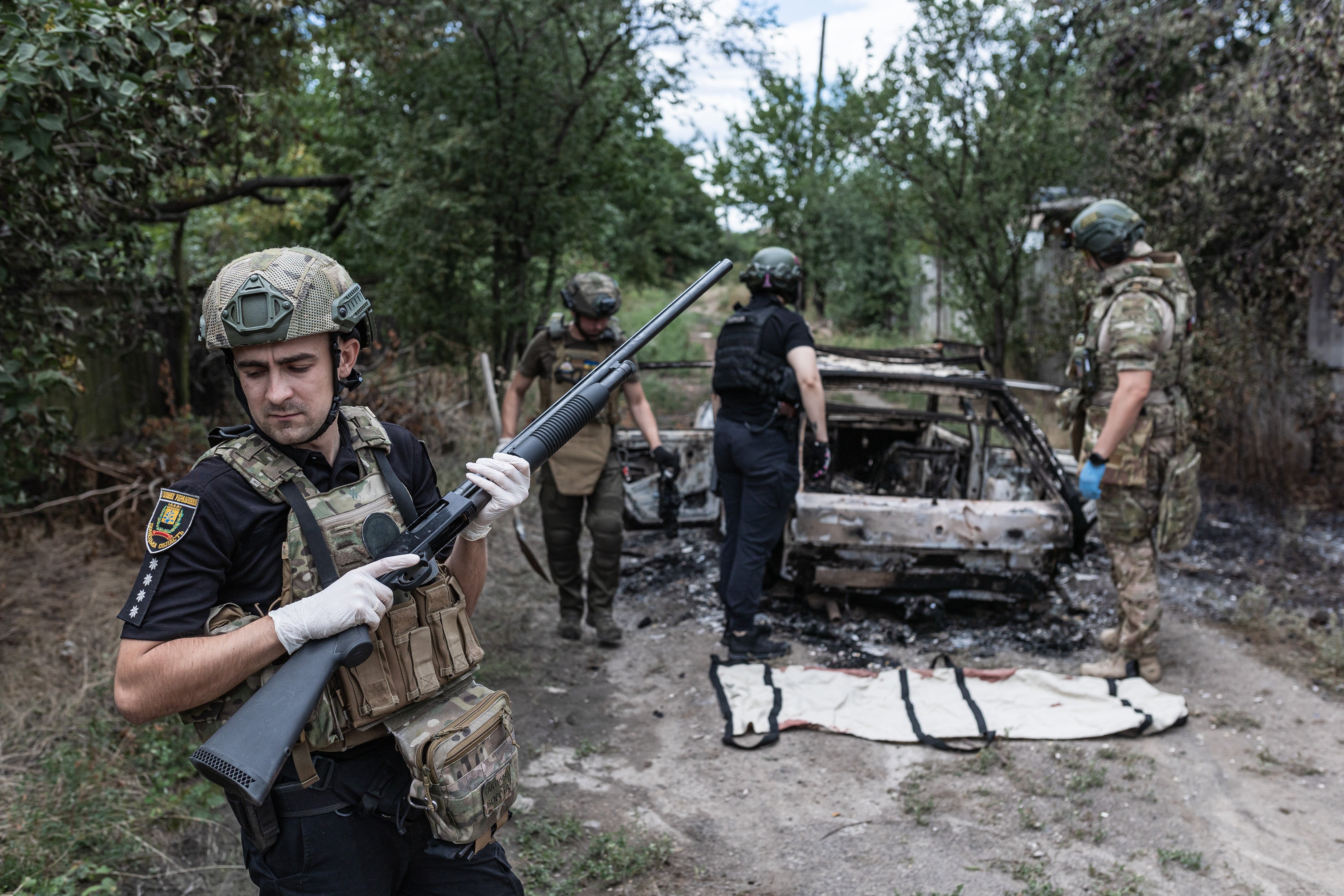
Saint directly links the current situation to the appearance of the Russian military’s first specialized drone force, known as the Rubicon unit, now infamous on Ukraine’s frontline.
The formation, staffed with some of the army’s best operators, is directly connected to developers and manufacturers, often Chinese or Russian. As Saint noted, Rubicon is able to reach deep into Ukrainian rear positions, striking supply depots, reinforcement routes, and evacuation corridors once believed out of reach. The unit is also linked to strikes on civilians. Recently, three elderly people were targeted in their car, and a toddler was killed in his crib, among countless other cases.
It was now clear to Saint that the Russian UAV Rubicon unit had made its way down from Kursk to Donbas. Saint went on, “The Russians now use uncommon frequencies. We retrieved a couple of FPVs from them, and their video transmitters aren’t found on AliExpress—they’re custom, mass-produced deliveries from China.”
How drone surveillance shapes the frontline
Another Russian technique is an EW system that blocks video, dubbed the “Shtora Curtain” system it detects the transmission frequency and then broadcasts white noise. As a result, the pilot’s video would suddenly go blank. “And it’s effective,” says Saint.
This highly dangerous 30 km stretch behind Ukrainian lines has significantly strained Ukrainian troop rotations, forcing many units to move men on foot, kilometers at a time. Or, you can “drive like hell,” says Saint, using drone detectors, and stop every five minutes and hide in the tree lines, listen, and wait for the FPV to pass.
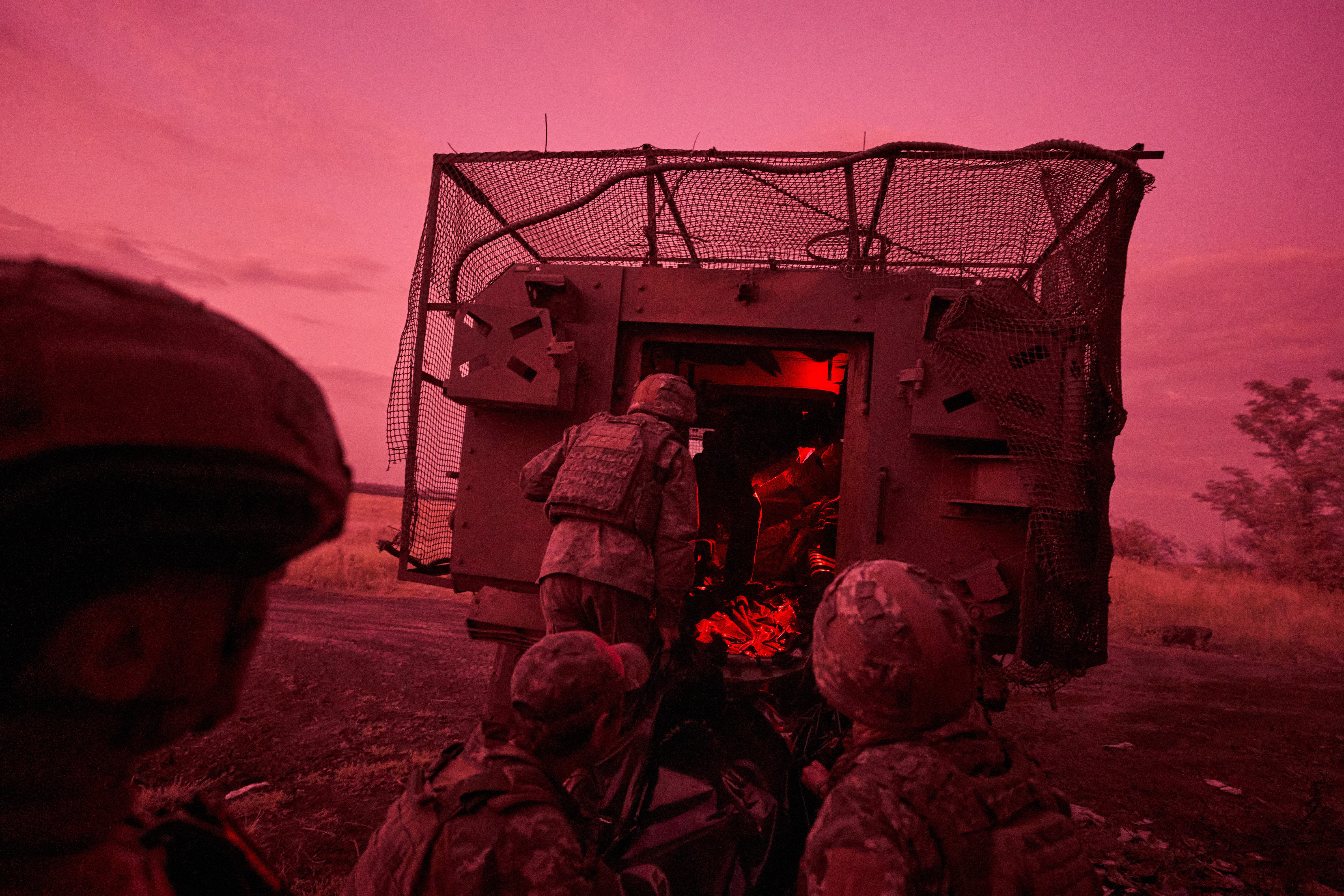
There was some sort of understanding at first: as frontline tech advanced, we would see fewer casualties. The in-between stage these combat innovations have revealed is that drones have actually proven more deadly for the infantry and drone pilots, who are currently considered prime targets.
For Saint, the fact that Ukrainian units receive drones from both the government and volunteer organizations makes everything very variable, quality-wise. Conversely, the Russians only use a single aluminum drone model, mass-produced to the same standard. Russian pilots become accustomed to flying the same drone: “It’s like they’re driving the same car every day, one they know perfectly. For us, one day it’s a BMW, the next it’s an old Lada.”
Russia has shifted to a war economy, says Saint. More concretely, based on Saint’s observations, Russian units are ordered to fly 20–25 FPVs per day and then receive another batch for the next day. If they fly fewer than 20, they receive fewer. “That’s why they don’t economize,” Saint sums up.
He believes the solution is to essentially copy this model, standardize, and mass-produce FPVs. The obstacle in Ukraine’s case is that sole-sourcing state contracts to a single company would invite allegations of corruption and is simply “not the European way.” Saint’s brigade uses about 1,000 drones a month to support roughly 30 soldiers.
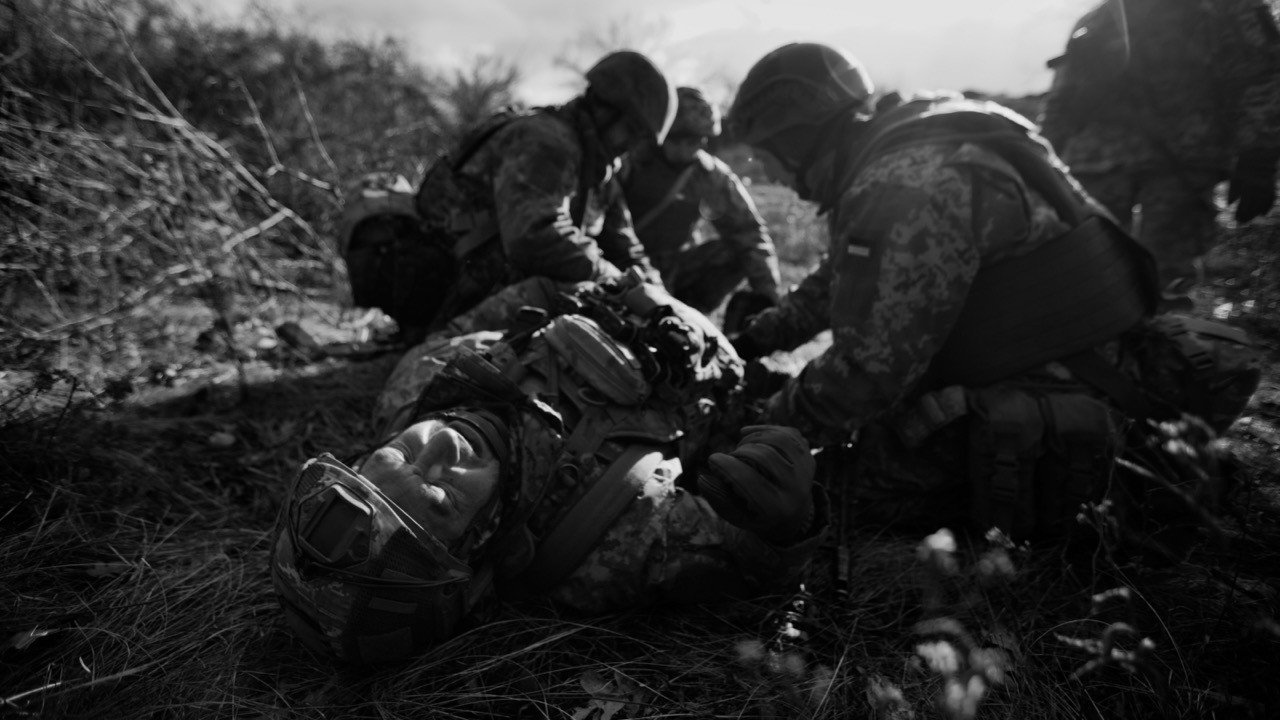
By comparison, Russian units reportedly launch around 25 FPVs per day (approximately 760 per month, per team) and field 40–60 teams on certain axes. In contrast, “If you gave me 10 more fireteams today, I wouldn’t have drones for them,” says Saint.
Evolving tactics: Russian “mercenaries” fuel advances
Other Russian tactics, mixed in with the Rubicon unit tactics, go as follows: they begin by overwhelming units with FPV drones and bomb drops. Then, small assault groups consisting of two to three soldiers on motorcycles or using civilian cars test Ukrainian defenses.
It’s a systematic pattern: isolate Ukrainian positions with drones, strike supply lines with artillery and bombs, then send in small assault groups, moving a little farther down the frontline, using the exact same tactics again and again.
The situation for soldiers is quite serious on a personal level, but Ukraine’s strained defenses are still holding. Russia continues to make gradual advances, but in 2025, it has not managed to break through or cause a major collapse in Ukraine’s lines.
What remains Ukraine’s biggest obstacle and Russia’s greatest advantage is the greater manpower. Even suffering incredibly heavy losses—over one million Russian troops killed or injured since Russia’s full-scale invasion of Ukraine in 2022— Russia has countered an eventual manpower shortage with mercenaries.
By shifting to a war economy and offering financial incentives to potential Russian soldiers, Russian men see the chance to fight as a way to escape their working-class status. A Russian fighter can earn several times more than the average Russian salary, with extra bonuses added on for the riskiest missions. And Russia doesn’t spare its soldiers, effectively replenishing lost ones with new, financially motivated recruits.
Both the drones and the mercenaries are part of Russia’s war machine, which is built on sanction loopholes and oil revenues. Ukraine is counterattacking it, striking Russian oil refineries and critical logistics infrastructure to directly impact Russia’s ability to sustain its war effort on the battlefield. By cutting off access to refined fuel, these attacks severely disrupt Russian military supply lines.
Why frontline rotations are nearly impossible
For combat medics in Kostiantynivka, Russian forces constantly target casualty evacuations, often hitting both the wounded and the teams sent to reach them.
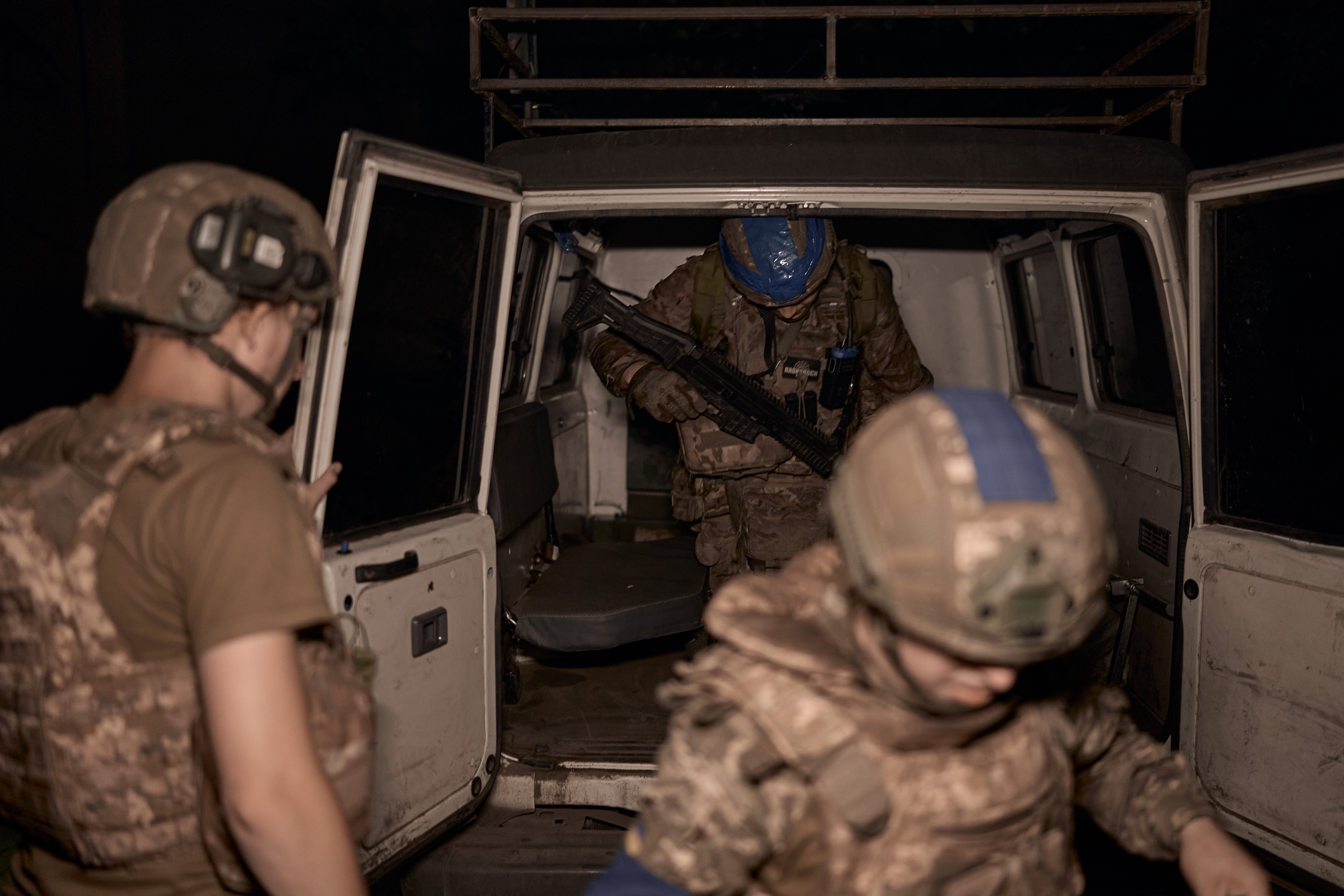
The medics working in this pocket of the east, the special medical unit of Ukraine’s International Legion Snake, told UNITED24 Media recently that they had not been sent out on a combat mission for one month–things were just too risky right now. “In the worst case, a wounded soldier might stay at the position for one, two, even three days,” tells one combat medic, “the main issue is, how will the vehicle get out?” they add.
More recently, in the Kharkiv direction, Vitalii, the press officer of the Kara-Dag Brigade (15th Brigade of Operational Assignment), explained his unit’s current situation as we drove along a long stretch of road, a small drone detector on the dashboard constantly beeping and interrupting our conversation.
He drove super fast, head locked on the horizon. For rotations, Vitalii said, soldiers often walk several kilometers to new positions, unload fast, and then return on foot through hazardous forested routes.
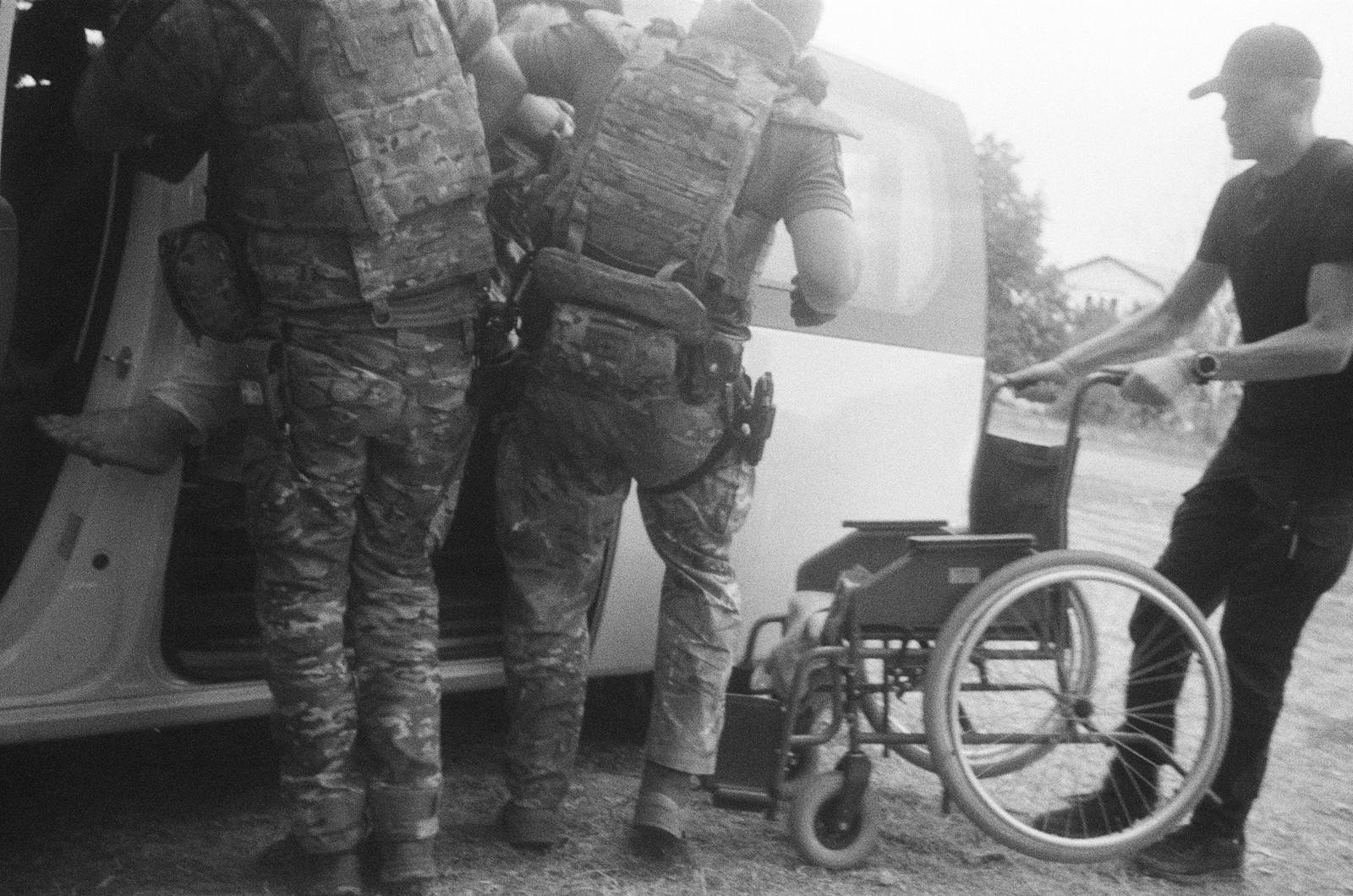
I witnessed this myself recently, as soldiers unloaded frantically, moving gear from one vehicle to another as they rotated back towards the front.
The drone revolution has changed the infantry forever
It’s been months since the conversation with Saint in Kyiv, and now I’m speaking to “Tokar”, a bright-eyed, upbeat infantryman of the 93rd Mechanized Brigade “Kholodny Yar” who speaks via Zoom while on holiday.
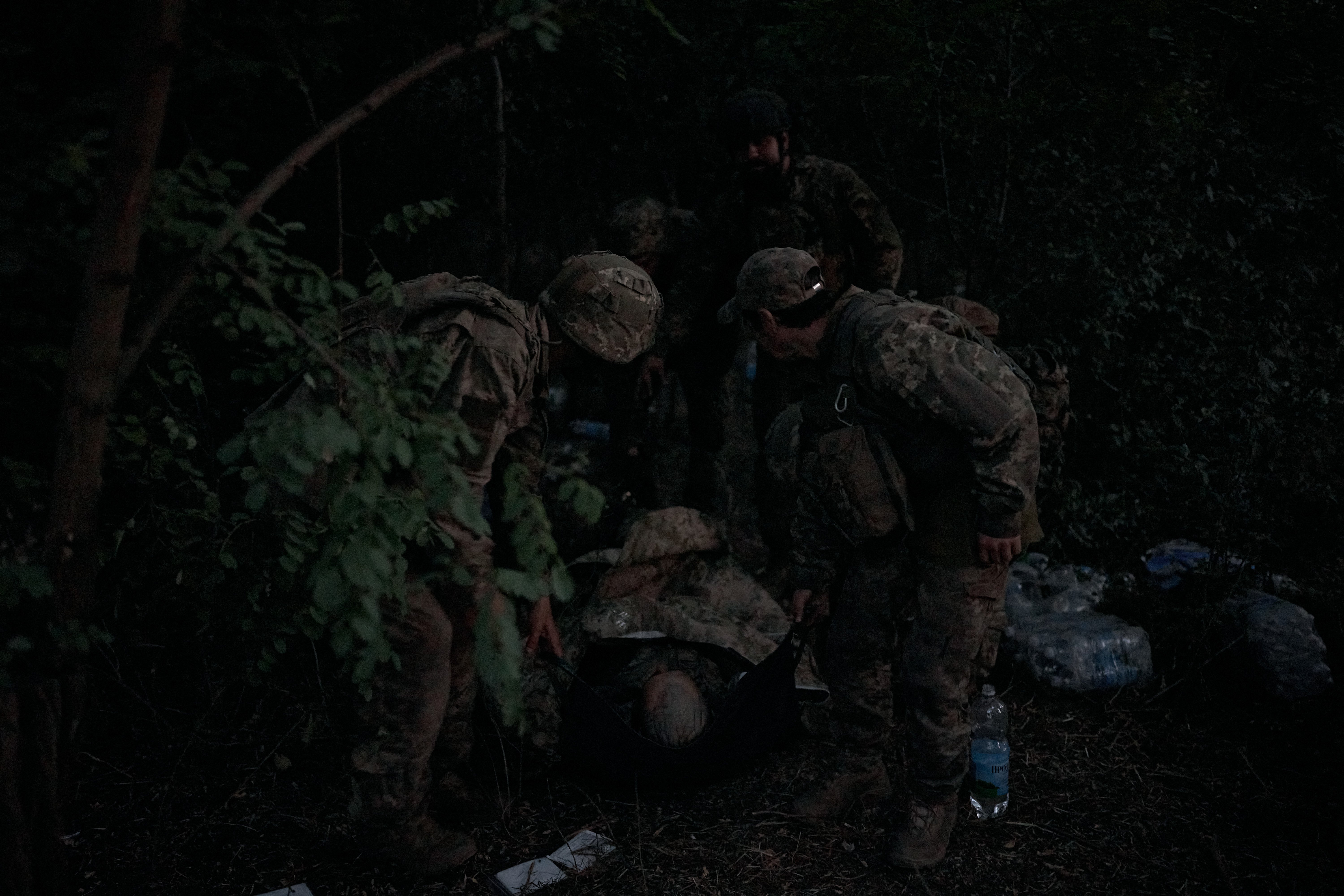
Tokar goes on to describe the situation around the evacuations of the wounded: “Some are really very difficult and intense.” In good weather conditions, Russian drones are “in waiting mode,” he says, and, in one such evacuation, Tokar sustained grave injuries. “Basically, only my right arm was functioning.”
The evacuation vehicle behind him was struck by a Russian FPV, and all the wounded in that vehicle were killed. He made the decision to crawl on his own for nearly 15 kilometers, a harrowing journey that took him about a day and a half.
“We’re a little, let’s say, frustrated,” he explains. An active member of the 2014 Revolution of Dignity, he joined the Ukrainian armed forces at the beginning of 2022.
He describes his infantry position as 24/7, with the only reward being one or two vacations per year. To leave their positions, the men in his brigade had to walk huge distances on foot, like Viralii described, 15 to 20 kilometers (9 to 12 miles), while sometimes dragging the wounded, if they were not able to walk.
Because of the overwhelming amounts of firepower directed at them from both the air and the surrounding terrain, the routes can take 3 to 4 days to complete, as a lot of the time is spent waiting for the coast to be clear of FPVs.
For Tokar, this is an added challenge: where once the infantry’s focus was fixed on the ground ahead, soldiers now find themselves scanning the skies. Drones were a lifesaving innovation at the beginning of the war, in Tokar’s opinion. Now he says, “Maybe, without Mavics and FPVs, the war might have ended sooner.”
Discuss this article:

-111f0e5095e02c02446ffed57bfb0ab1.jpeg "Photo of Roman Kohanets")

-c439b7bd9030ecf9d5a4287dc361ba31.jpg "Photo of Katherina Popilnichenko")