- Category
- Life in Ukraine
Ukraine’s Iron People: The Railway Crews Who Don’t Stop, Even Under Russian Fire
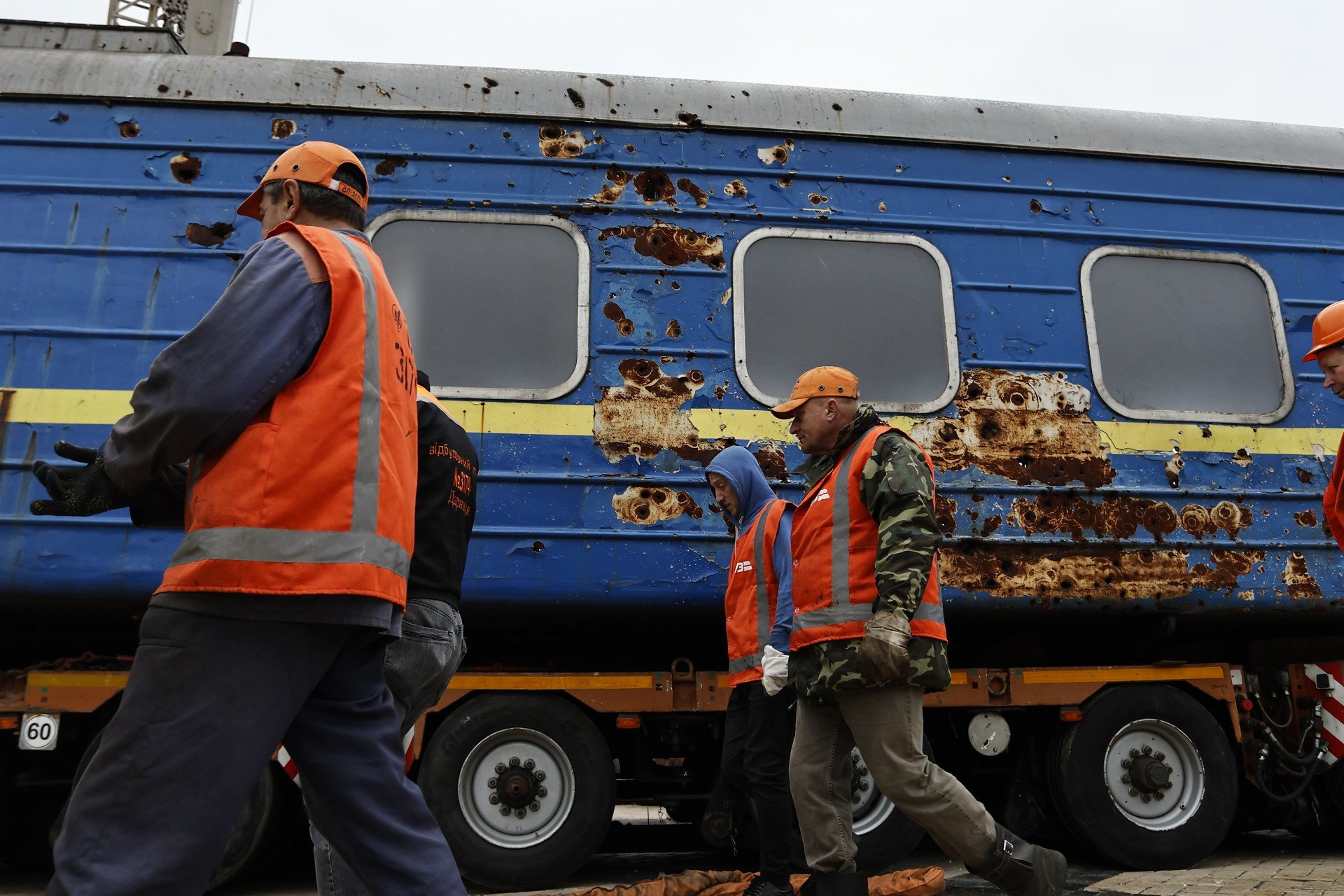
In a country where missiles and drones have halted civilian flights, train chief Pavlo Vynarchyk and thousands of railway “iron workers” keep Ukraine moving under Russian bombings, evacuating families and sustaining the nation’s lifeline.
 Prefer U24 Media on Google
- Authors

-24deccd511006ba79cfc4d798c6c2ef5.jpeg "Photo of Louis Beaudemont")
How Ukraine’s railway became the country’s main wartime lifeline
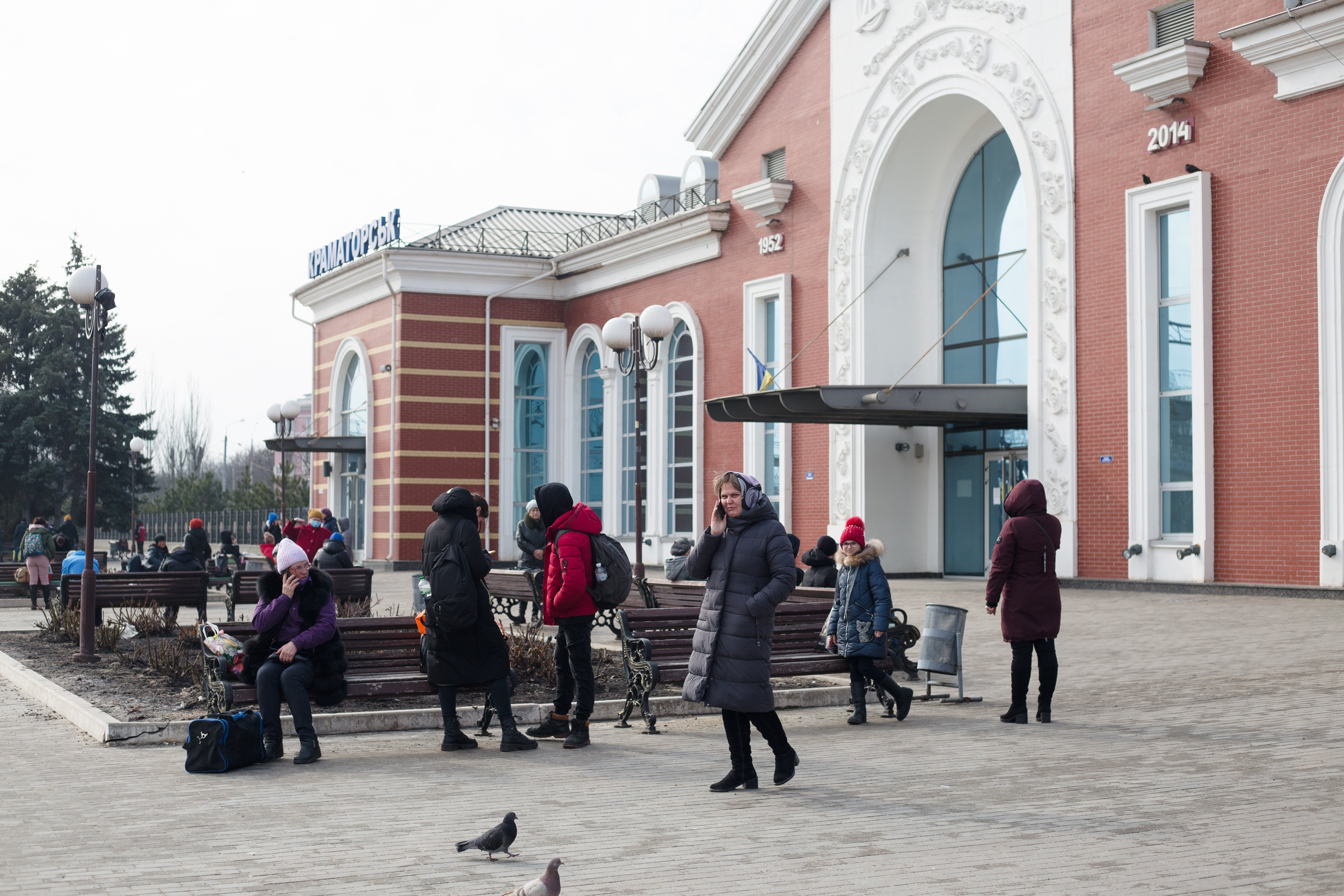
It was likely the most photographed railway station in Ukraine and the most symbolic one. The station where soldiers and their loved ones shared long, tearful embraces before a few days of reunion and intimacy. On November 6, 2025, Ukraine’s state railway, Ukrzaliznytsia, announced that it was closing the main station of Kramatorsk, a city still full of life, but the final stop before the brutal battles on the Donetsk front.
With FPV drones capable of reaching the city center and Russian forces deliberately targeting civilian trains, the situation had simply become too dangerous.
We bring you stories from the ground. Your support keeps our team in the field.
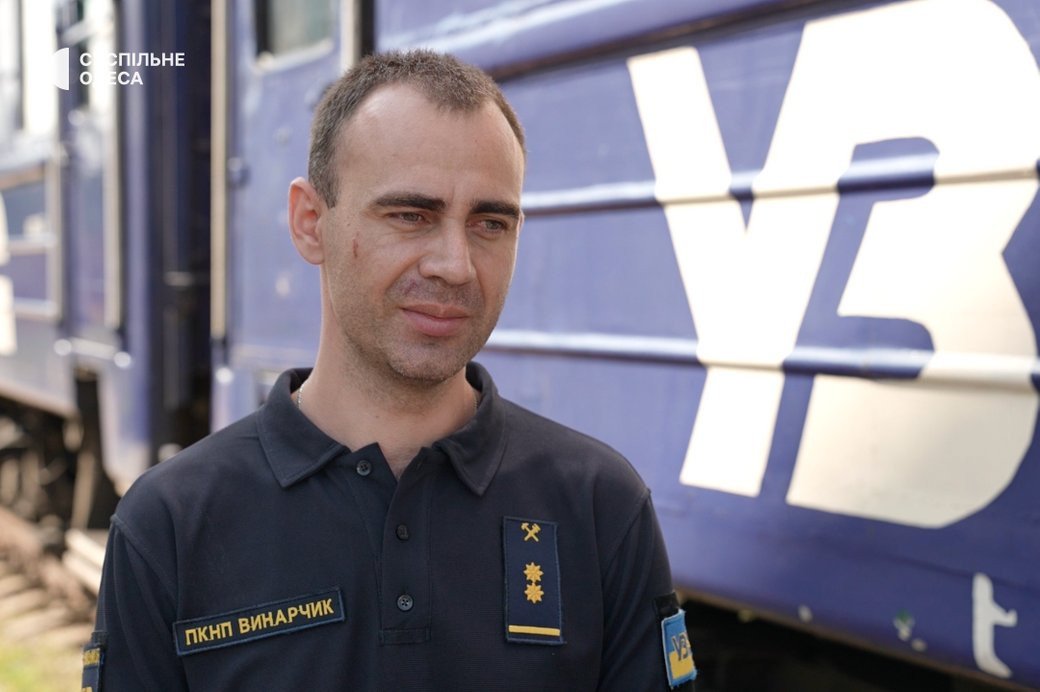
“Ukrzaliznytsia is acting in accordance with safety standards,” Pavlo Vynarchyk, a train chief on the Odesa–Uzhhorod lines, told UNITED24 Media. “Transfers are still arranged to bring people by bus. If the opportunity arises, the connection will be restored immediately.”
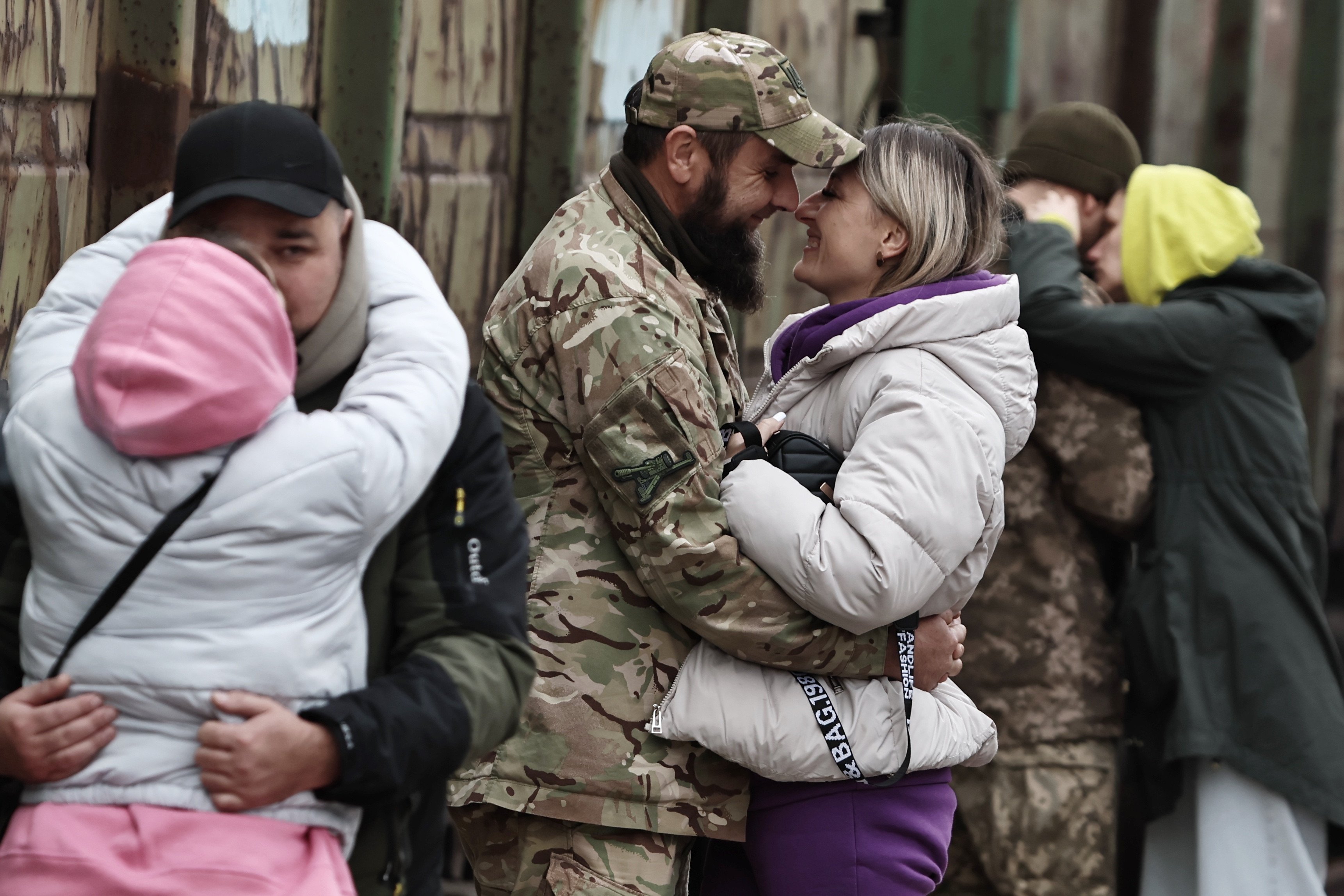
Vynarchyk knows exactly how important Kramatorsk station is. At the beginning of the war, then a carriage chief, he took part in evacuating Ukrainians from Eastern part to the West.
It became the largest evacuation operation of the 21st century. “Russia’s war in Ukraine triggered one of the largest and fastest forced displacement movements since World War II,” a United Nations Development Programme (UNDP) report notes, “with nearly eight million refugees moving across Europe at the peak, and more than 8.2 million internally displaced persons inside Ukraine in April–May 2022.”
“So many people in the carriages…” Vynarchyk said. “We took everyone, even if there were no seats left. People were coming with their pets, carrying their whole lives in bags. We helped them communicate, explained where to go, where to make connections, and arranged transfers. Volunteer groups brought food to the stations—in Khmelnytskyi, in Ternopil, in Lviv.”
There was not only a lack of space—there was a lack of staff too. “Not everyone was strong enough to come to work,” he continued. “Some simply couldn’t get to work at all—the enemy was advancing from all sides, and some railway and road routes were already cut off.”
It was hard—not only physically, but mentally. We stayed on duty for 20 or even 30 days without rotation.
Pavlo Vynarchyk
Train supervisor
Even as its workforce dropped from 235,000 to 191,700 between 2022 and 2023, Ukrzaliznytsia managed to sustain humanitarian, military, cargo, medical, and diplomatic operations—all while maintaining regular passenger transport. The system functioned as the country’s main lifeline. This uninterrupted capability, despite extreme danger, quickly earned railway workers their national reputation as Ukraine’s “iron men and women.”
Why railway workers are now seen as Ukraine’s “iron people”
The phrase “iron people” stuck to railway workers. It reflects the harsh conditions they work under — and it’s also a play on words. Ukraine’s railway is called zaliznytsia (from zalizo, meaning “iron”), and in wartime its workers have come to embody exactly that.
On April 8, 2022, just weeks after Russia launched its full-scale invasion on Ukraine, Vynarchyk was working near Kramatorsk, in Sloviansk, when a Russian Tochka-U missile hit the station platform, killing 58 people as they waited for the train.
That day, we never made it to Kramatorsk. We stopped in Sloviansk because an Iskander had struck the neighboring station. A Russian missile—there were many victims.
Pavlo Vynarchyk
Train supervisor
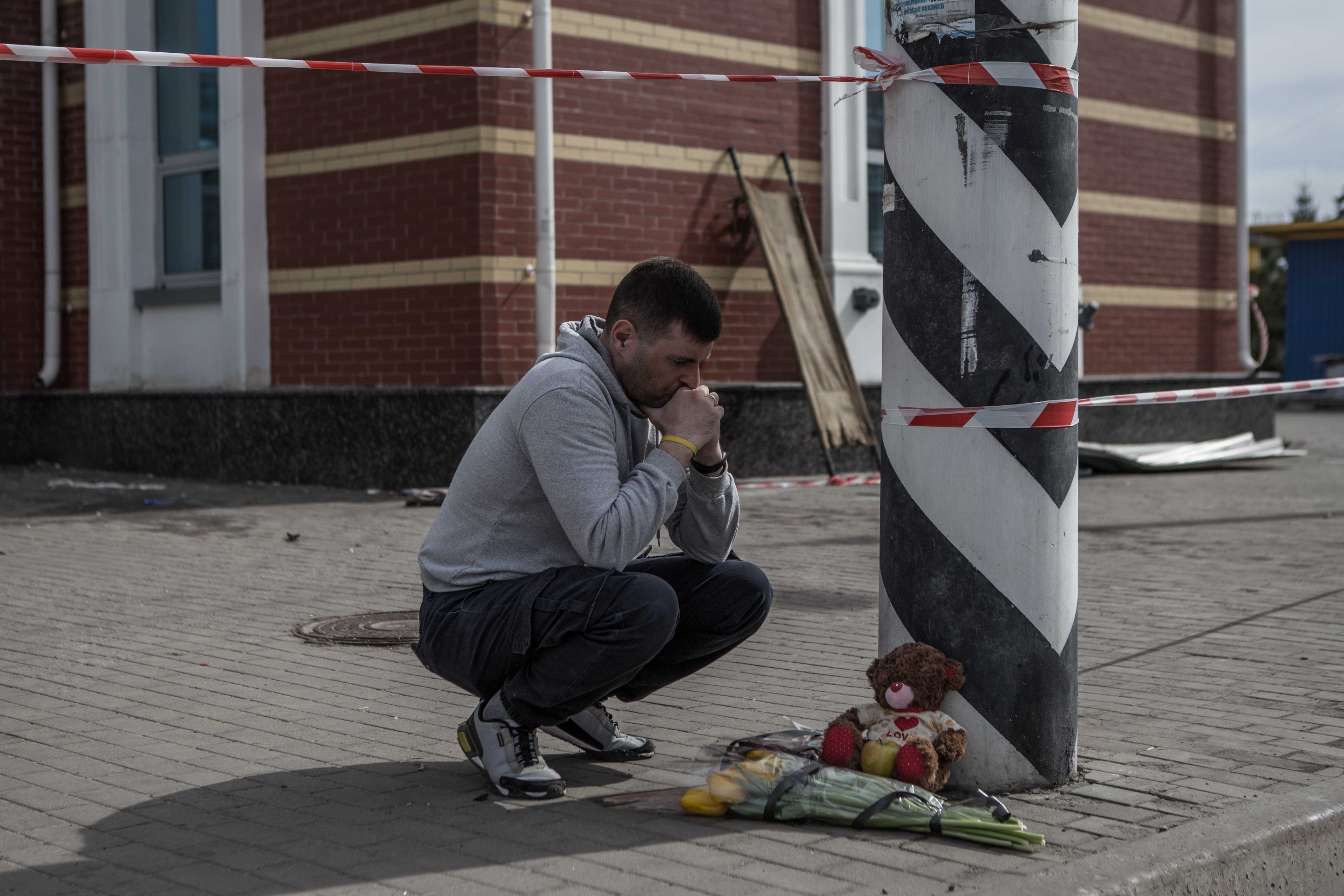
Although the war has not changed his sense of mission—“a professional and civic duty,” he says—Russia has increasingly targeted the railway system, expanding the scope of its war crimes to the destruction of trains.
Railway workers are civilians protected under the Geneva Conventions, as are trains and railway infrastructure.
How Russian missile strikes, blackouts, and repairs shape daily railway operations
Since 2022, train attacks have become frequent. David Brown, Arriva UK Trains’ Managing Director, who visited Ukraine, recalled seeing a train covered in bullet impacts. “We were told it had been carrying civilians,” he wrote, “many of them children, at the time it was attacked. Miraculously, nobody was killed.”
More than three years after the Kramatorsk massacre, on June 24, 2025, Vynarchyk lived what he describes as the worst experience of his career. Train No. 52, traveling from Odesa to Zaporizhzhia, was moving slowly through the Dnipropetrovsk region when several Russian missiles struck the convoy.
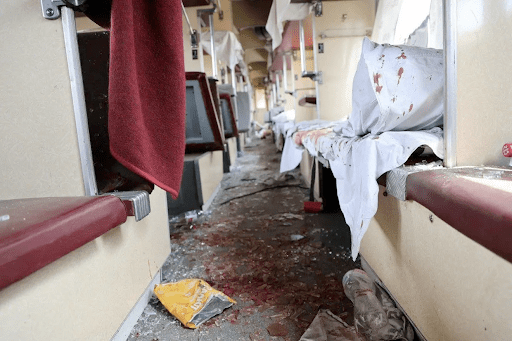
The locomotive was destroyed entirely. The 15 carriages behind it were put out of service. On board were 23 railway employees and around 500 passengers. All were injured—some seriously—with shrapnel wounds, hemorrhages, and contusions. The blast tore down the catenary, leaving the train stranded in the middle of the track.
russia hit the Odesa-Zaporizhzhia train, also damaging a hospital, clinic, 14 schools and several homes in Dnipro. At least one person was killed.
— UNITED24 (@U24_gov_ua) June 24, 2025
Help prevent further terrorist attacks:https://t.co/ktkUzxV8Yd pic.twitter.com/SKmDkEHUuj
Vynarchyk recalled that under fire, the train crew organized the evacuation, guiding passengers to shelter, offering first aid, and trying to keep order as the minutes stretched endlessly.
“We took people out one by one,” he said. “We had to save the passengers and preserve what was left of the train.”
The cumulative effect of these attacks is structural. By late 2024, the World Bank estimates indicated that around 30% of Ukraine’s railway network was stuck in a cycle of “damage and repair.”
This figure reflects a massive, constant drain on resources, slowing modernization. But that slowdown also preserved a dense, interconnected rail network—useful for rapidly switching to alternative routes—and a large fleet of diesel locomotives, often the only ones able to run during blackouts caused by Russian attacks on energy infrastructure.
Since 2022, I’ve already lived through three full blackouts on the power grid. More than six, even ten hours without electricity. But we adapted—we move using diesel locomotives.
Pavlo Vynarchyk
Train supervisor
The network is modernizing in different ways, adapting to wartime needs: buying new diesel locomotives from neighboring countries and producing at home many carriages previously imported. Passenger comfort and accessibility remain priorities. “We have carriages for children,” Vynarchyk said, “where they can play, with various activities.” Ukrzaliznytsia has also introduced women-only carriages.
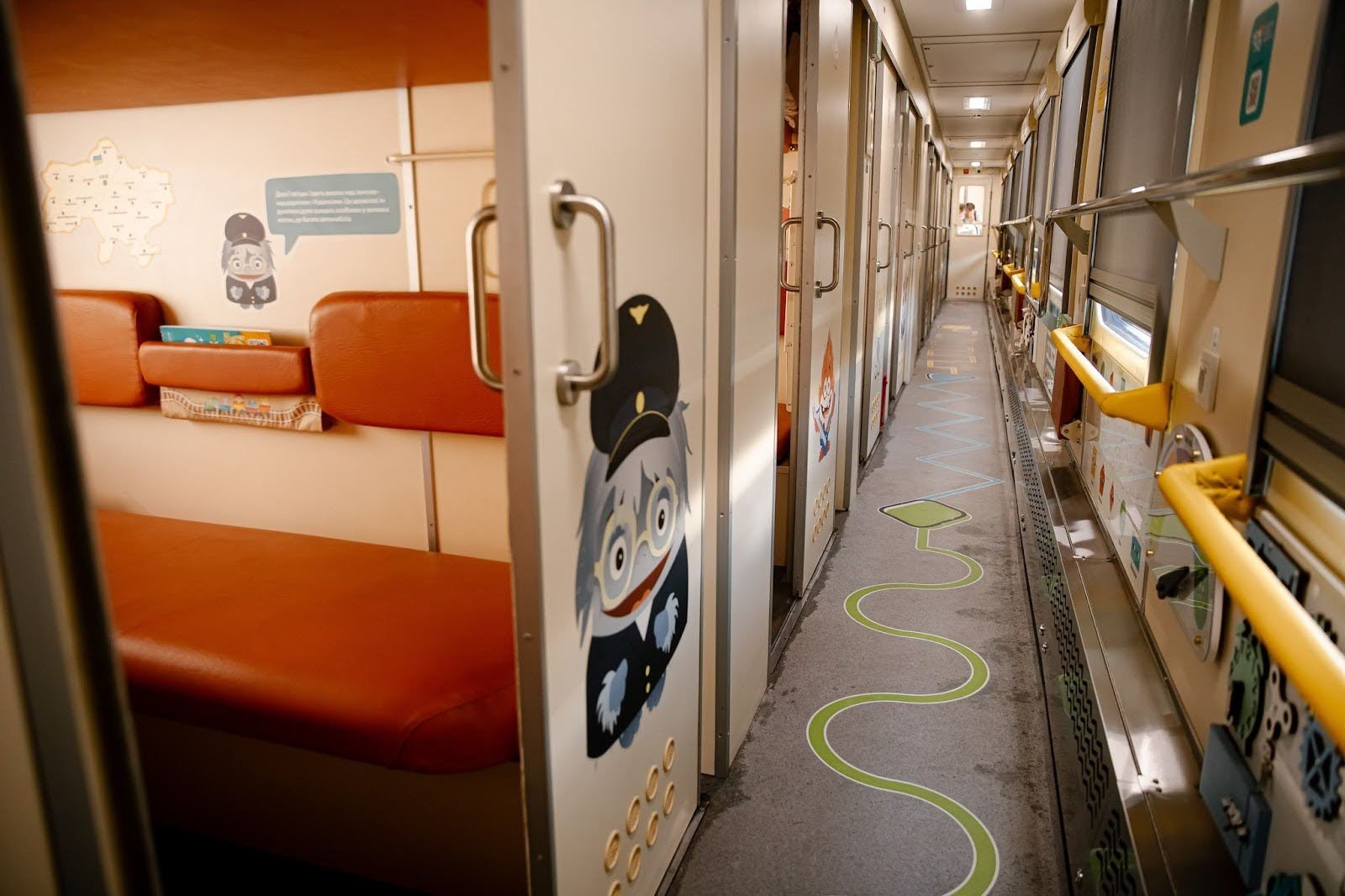
Ukrainian Railways isn’t standing still. Even during the full-scale war, it’s introducing new innovations and releasing new carriages.
Pavlo Vynarchyk
Train supervisor
“In Poland, in Czechia, trains are high-speed—you sit down and go,” he said. “No sleeping berths, no treats, no drinks.”
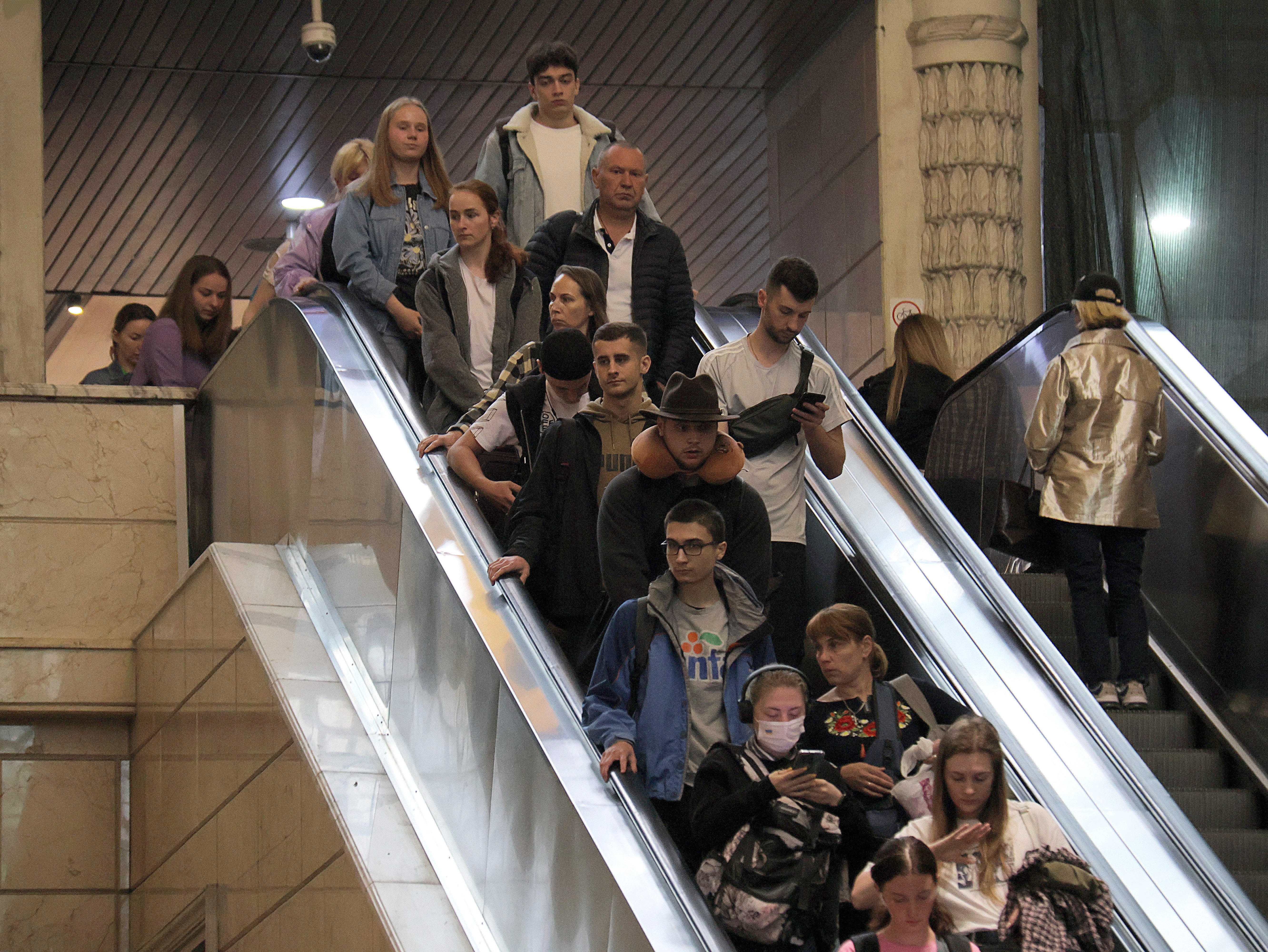
Ukraine’s PinchukArtCentre unveiled a monumental artwork on June 21, 2025, called “Motion” by artist Lesia Khomenko in Kyiv’s central station. “In the painting, the artist depicted real people—soldiers, journalists, artists, and random station passengers who happened to be on the escalator at the same moment,” the center’s statement said.
As the Ukrainian sky remains saturated with Russian missiles and drones, making civilian flights impossible, the train has become the country’s lifeline.
For these reasons, Vynarchyk never stopped working—he doesn’t dwell on it. His two-year-old son, born during the full-scale war, now takes the train too. Despite the war, life cycles continue in Ukraine—thanks to those, like him, who keep the country’s body alive.
As artist Lesia Khomenko said during the inauguration of her work: “This work is also a metaphor for our society. From the beginning, I said: The escalator is endless, and we are all moving on it.”
Earlier this year, Kyiv’s Central Railway Station hosted a charity DJ set to fund female-specific body armor. The network built from steel and schedules has also become a place where Ukrainians mobilize for each other.
Discuss this article:
-4a56a6b482ec132402c16ef6fcabf9a2.png)






-554f0711f15a880af68b2550a739eee4.jpg "Photo of Lucile Brizard")