- Category
- Life in Ukraine
How to Live Through a Day Between Air Raids and Blackouts in War-Scarred Kyiv
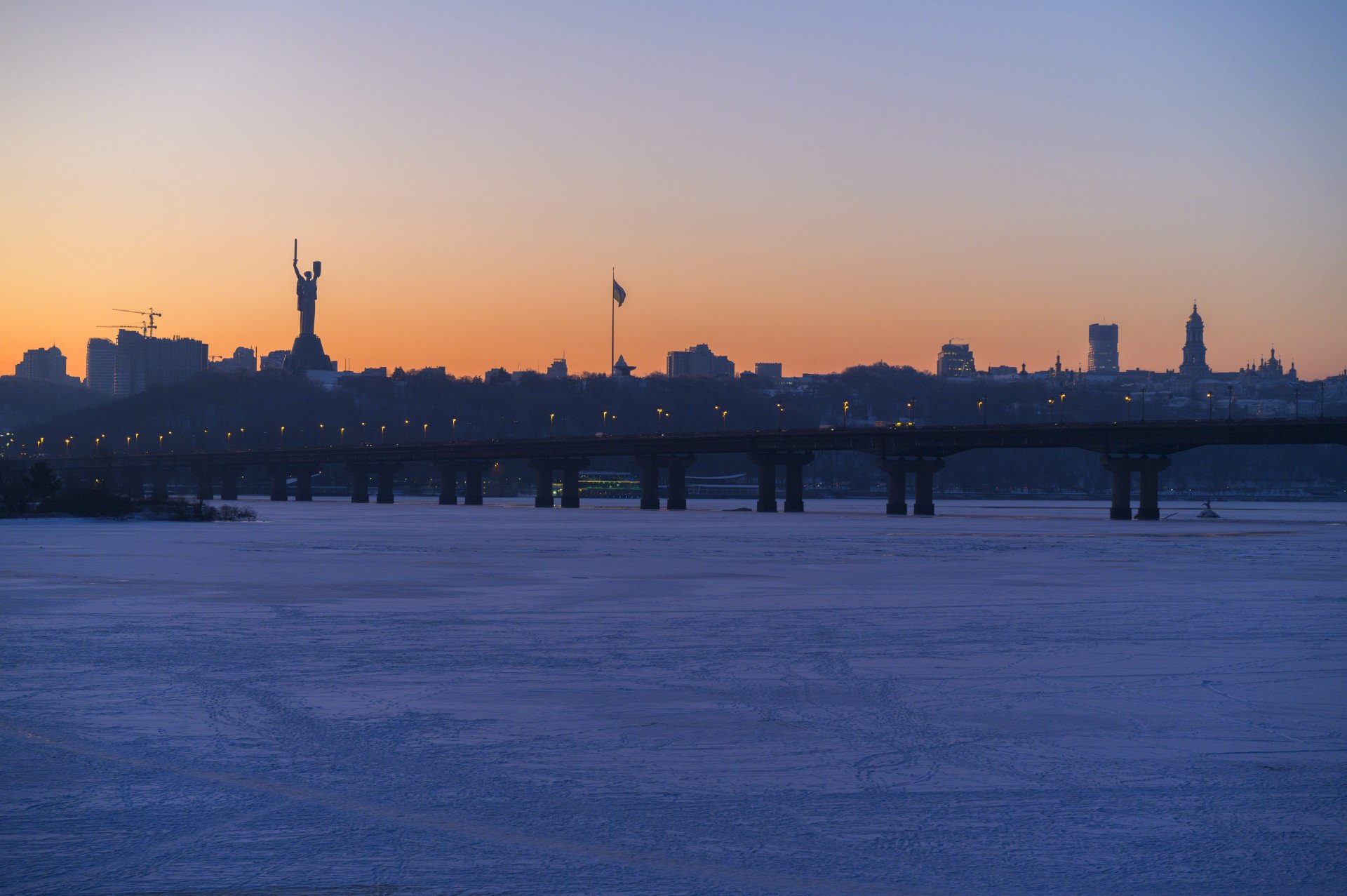
One workday, stitched together from a winter of blackouts, air raids, cold showers, improvised coffee, and other daily workarounds that keep everyday life moving in wartime Kyiv.
 Prefer U24 Media on Google
- Authors


After more than 1,500 days of Russia’s full-scale war, some mornings in Ukraine have a distinct Groundhog Day quality to them. In the 1990s film, the moment 5:59 turns to 6:00, Bill Murray wakes repeatedly to the same tune on the radio: “I Got You Babe.” At that same time in Kyiv, you are more likely to be jolted awake by an air-raid siren—or, worse, an explosion.
Throughout the winter, amid relentless Russian attacks on civilian heating and power infrastructure, planning even one day ahead was made difficult by outages that could vary from one district to the next, depending on what had been hit overnight. Kyiv, like much of the country, was left in the dark in more ways than one during one of the coldest winters in years. Each day began with the same question: would there be light ?
When power, heating, and water are repeatedly knocked out in the dead of winter, basic survival becomes a daily struggle.
Danielle Bell
Head of United Nations Monitoring Mission in Ukraine
The morning
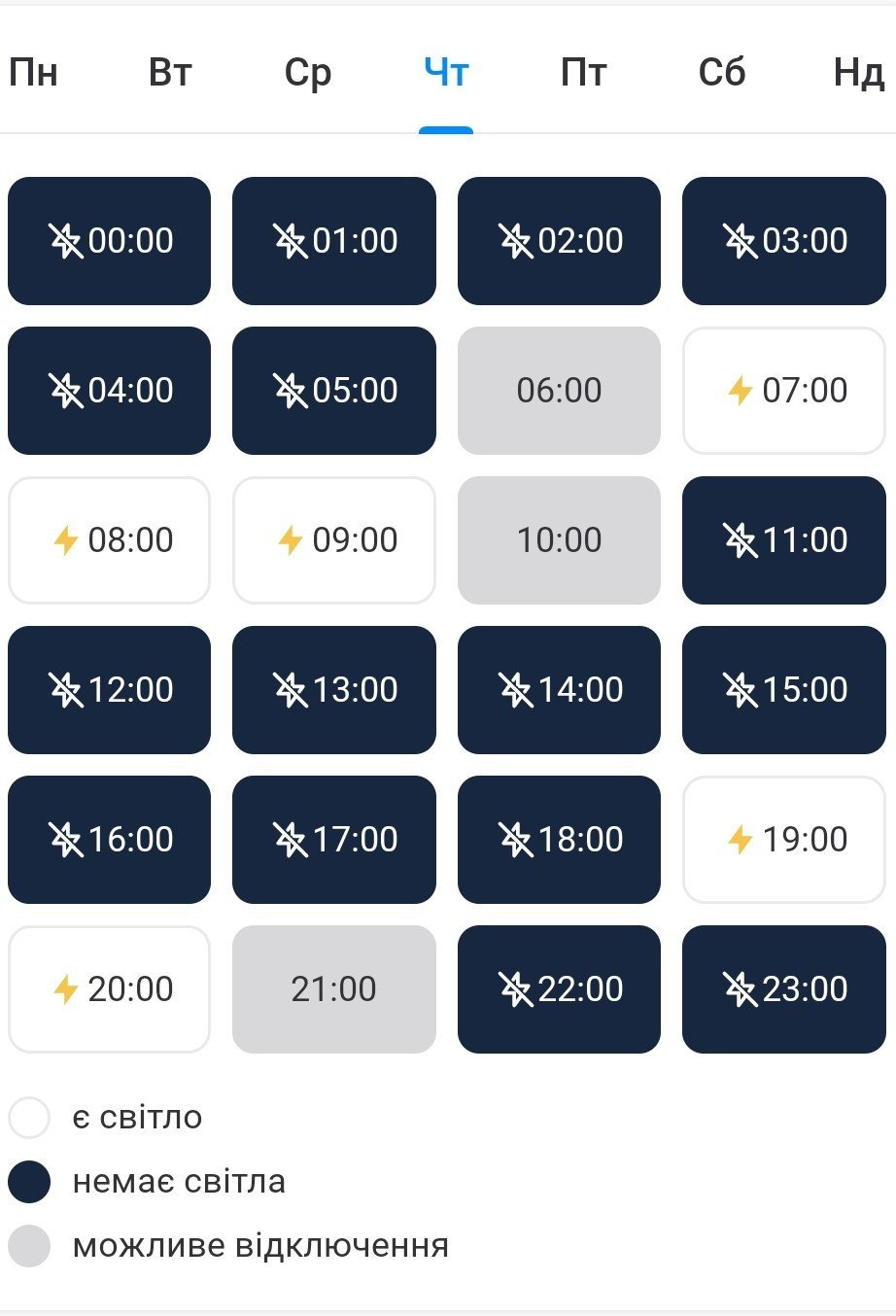
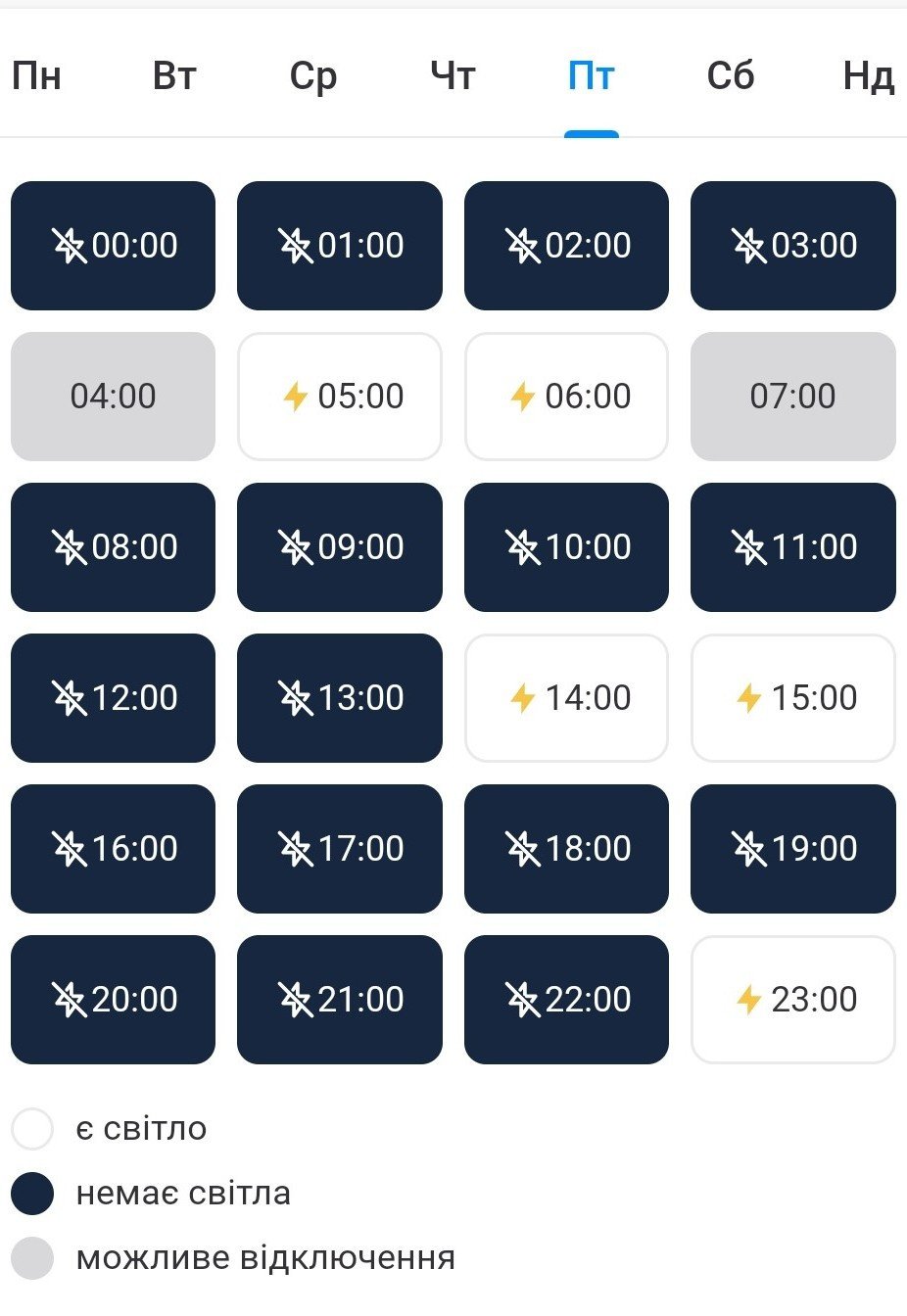
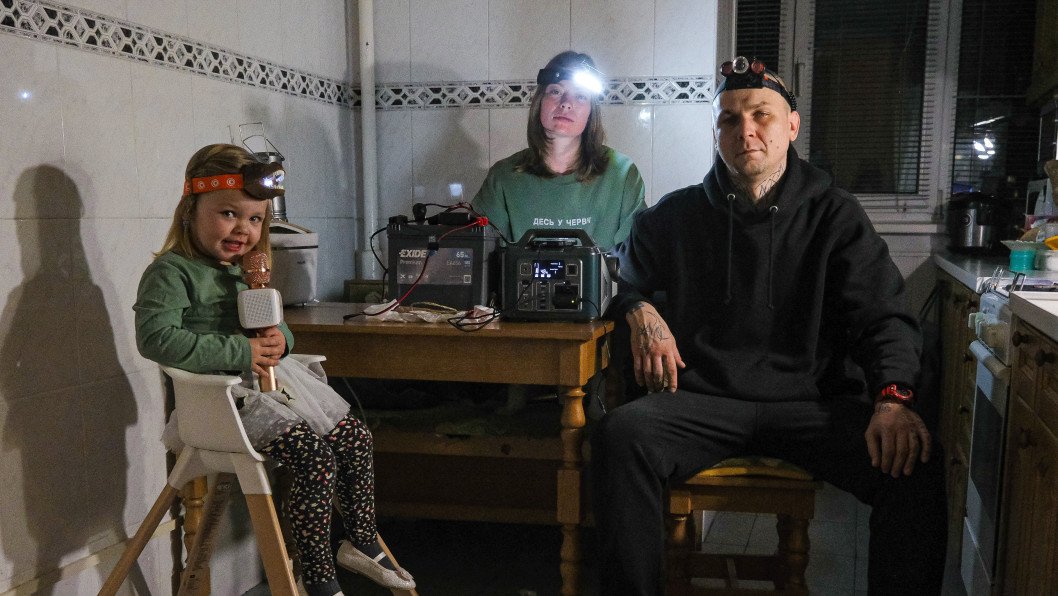
The first thing to check was the blackout schedule. On a bad morning, our district was blocked out in dark blue, which meant no kettle, no toaster, and no easy start to the day. I could run the coffee grinder off an EcoFlow power station and still boil the water on the gas—because, one way or another, a fresh V-60 pour-over was happening.
While electricity would come and go, hot water was a different story. Russian strikes on Kyiv’s boiler plants left thousands of buildings without heat, some for the entire winter. This meant freezing-cold showers—strictly the basics—until weeks later, when I figured out the pot-and-scoop method using water boiled on the gas. In effect, I became the pour-over.
The commute
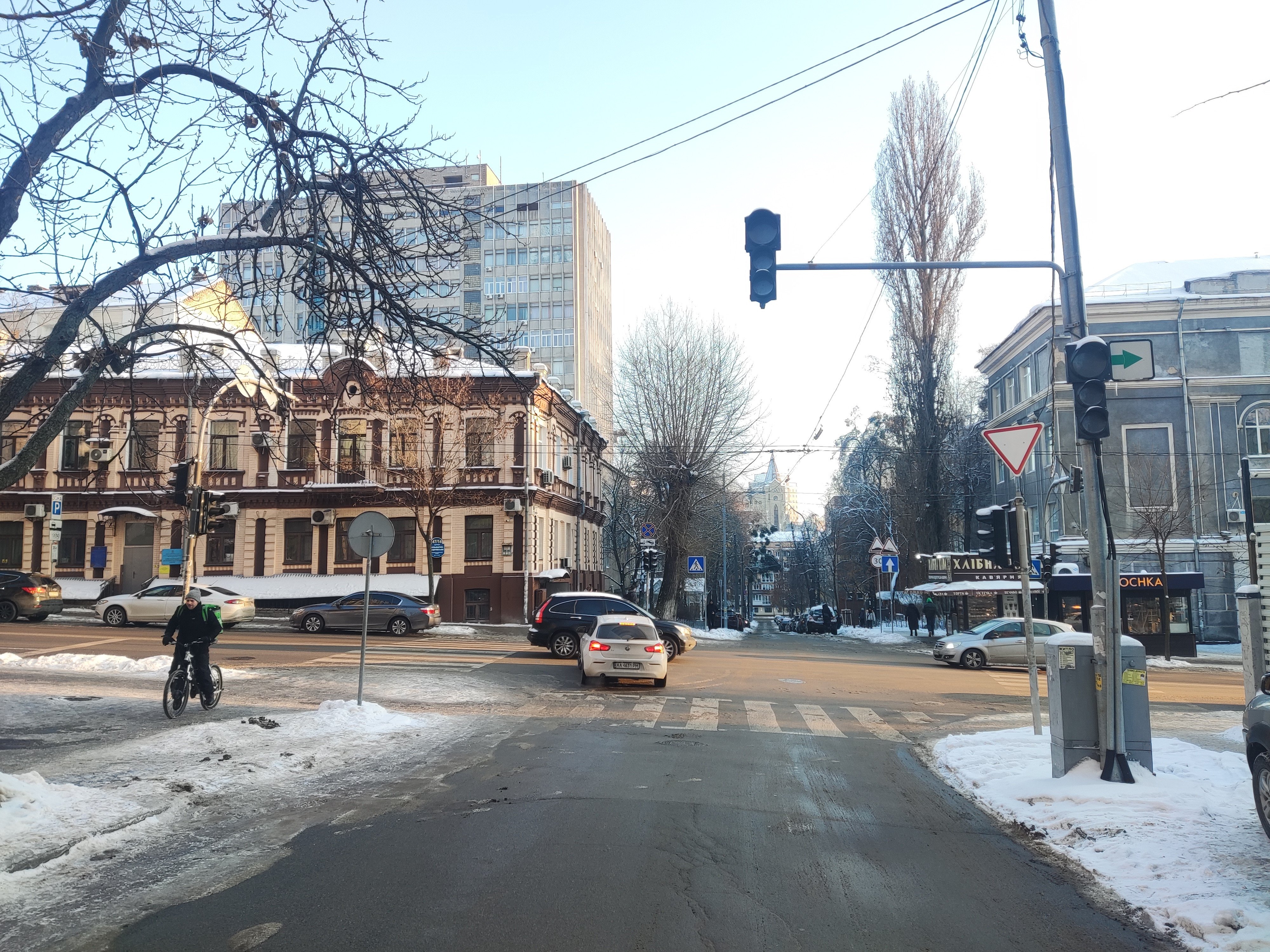
The drive to the office is filled with the low hum of generators keeping businesses open during the outages, a sound that grows louder as you slow at intersections. Where the traffic lights are completely out, drivers somehow still make sense of one another, pedestrians cross safely, and the whole thing keeps moving in a kind of flawless choreography. While some argue that Ukrainians should stop being called resilient, witnessing that makes it hard to think of them any other way. Everyone just seems to get on with it, without any fuss.
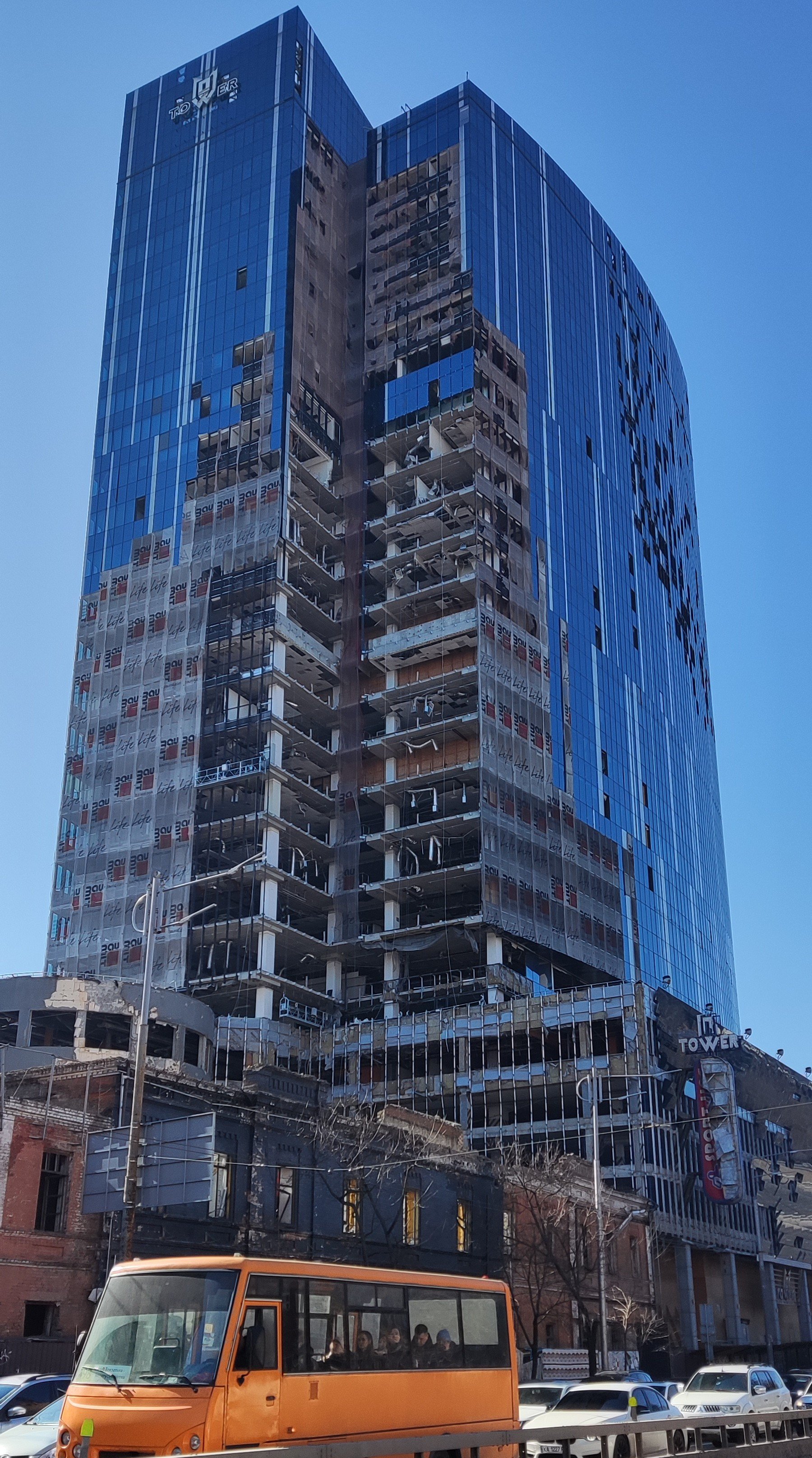
A few intersections later—lights or no lights—my route to the office takes me past the 101 Tower, aka the Samsung building, still heavily damaged after Russia’s October 2022 missile strike on Kyiv, a stark reminder that the war is still very much ongoing.
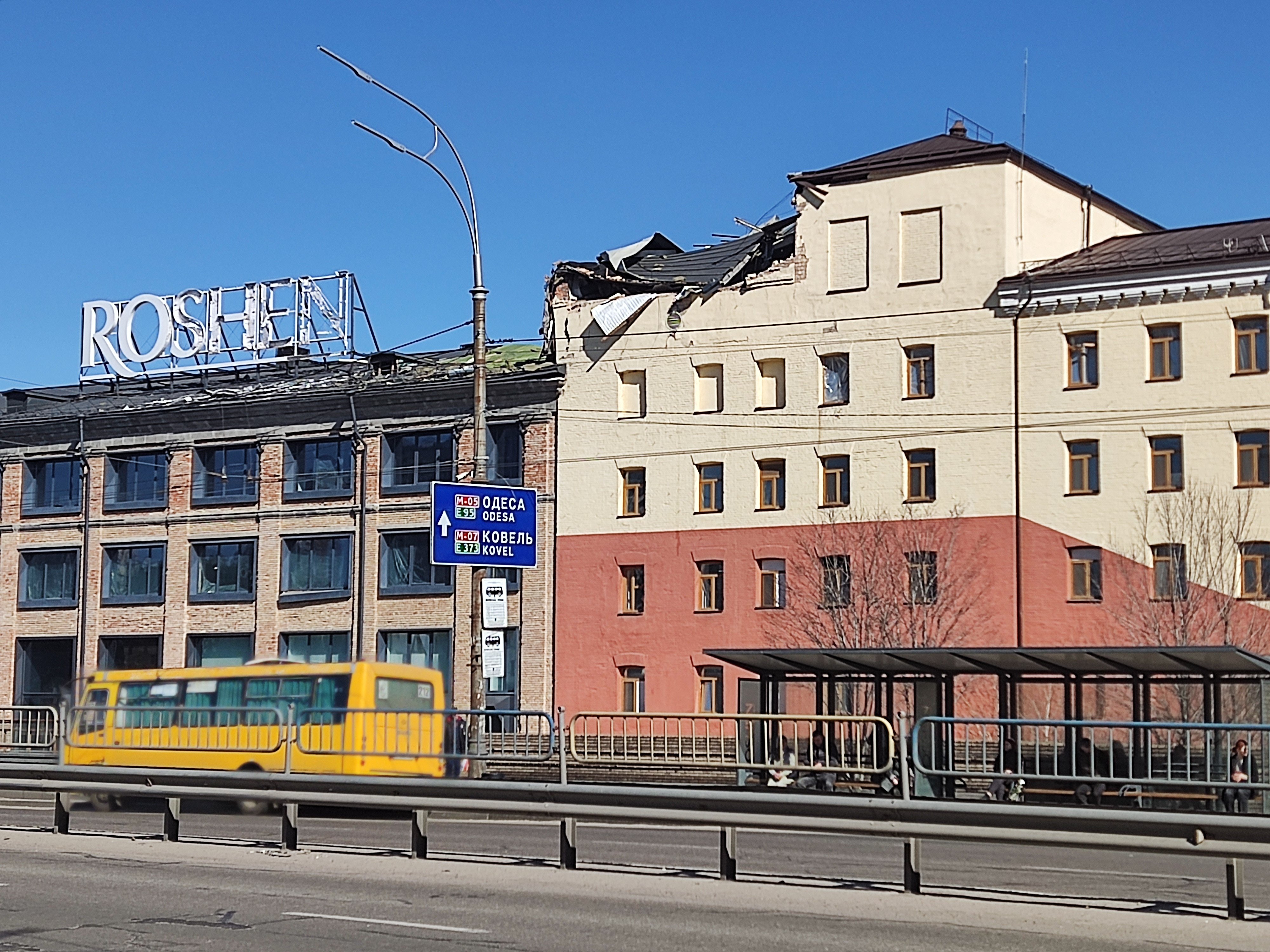
And you don’t have to drive far to find the next scar on the city. A little further, we pass the Roshen chocolate factory, which was struck by a Russian drone in January 2026, destroying part of its upper floor and killing one worker. The drive to work might be short, but it’s long enough to take in some of the wreckage and the human toll behind it.
The office
In previous winters, every power cut meant trudging up the stairs to our top-floor office because the elevator was out. Now, thanks to a backup power system, it keeps working—a small mercy.
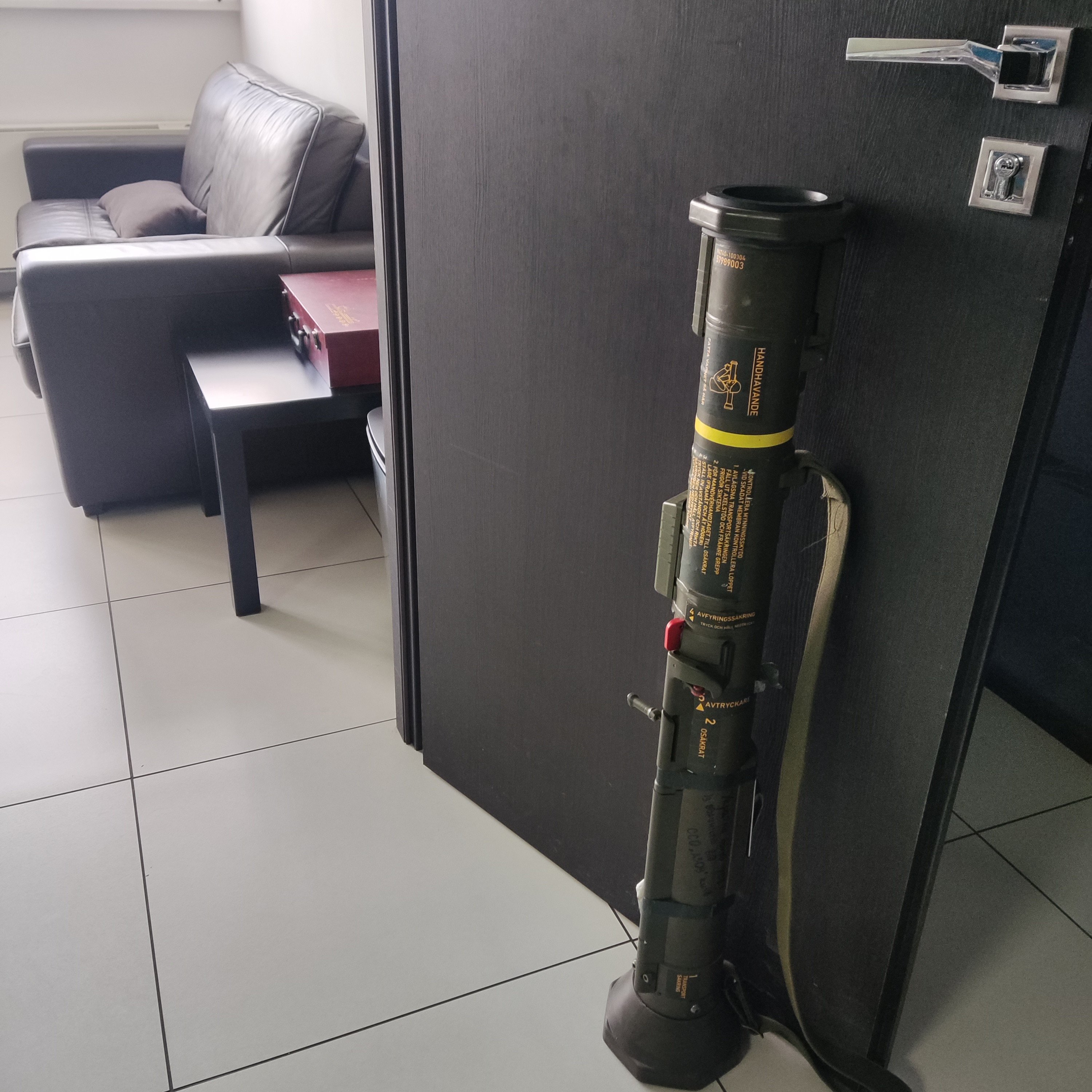
Sometimes I stop by Roshen for office treats. As I make the rounds handing out profiteroles, I step into the meeting room, its door, as usual, propped open by the weight of an empty rocket launcher tube, a remnant of war turned into an everyday doorstop.
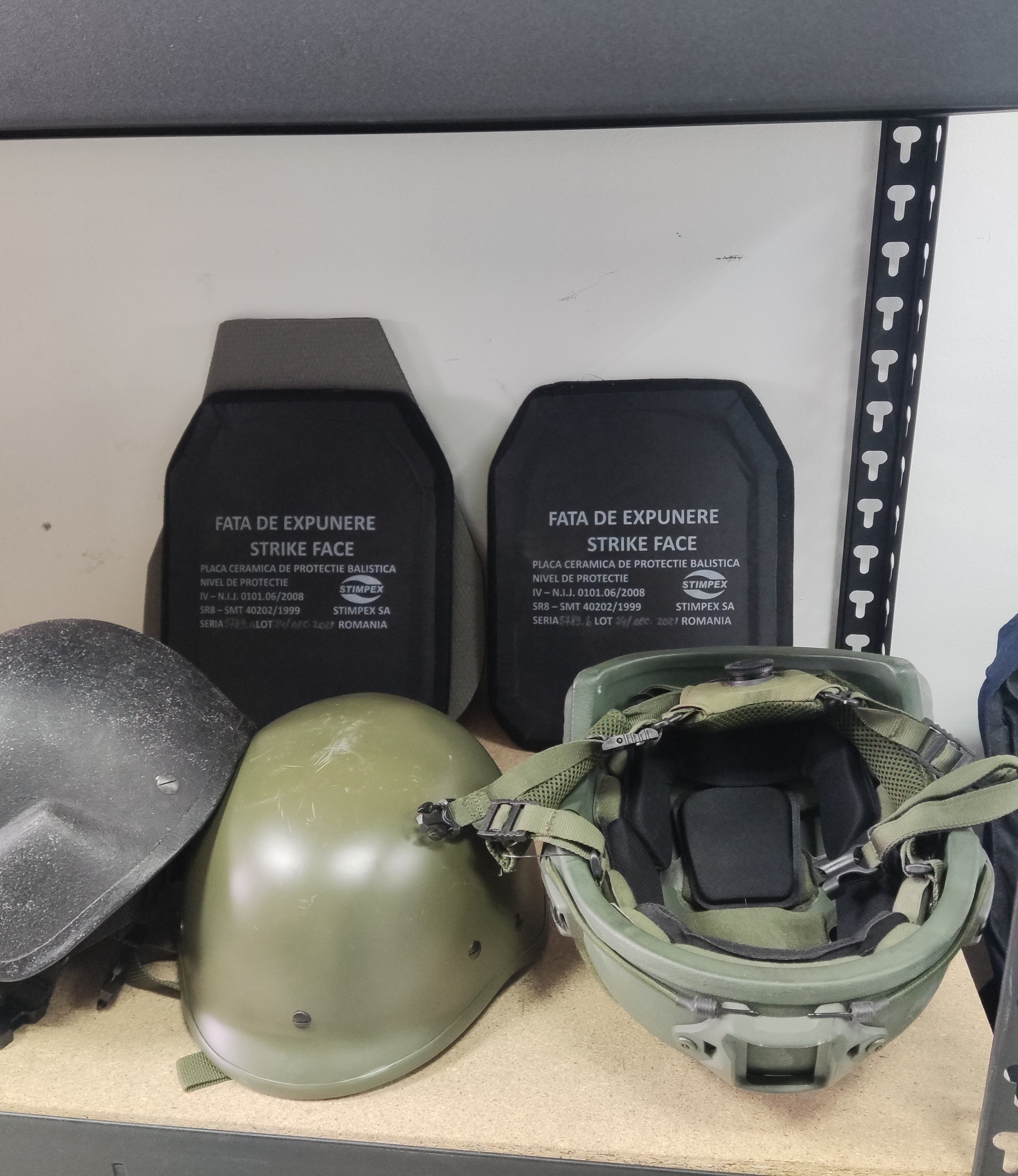
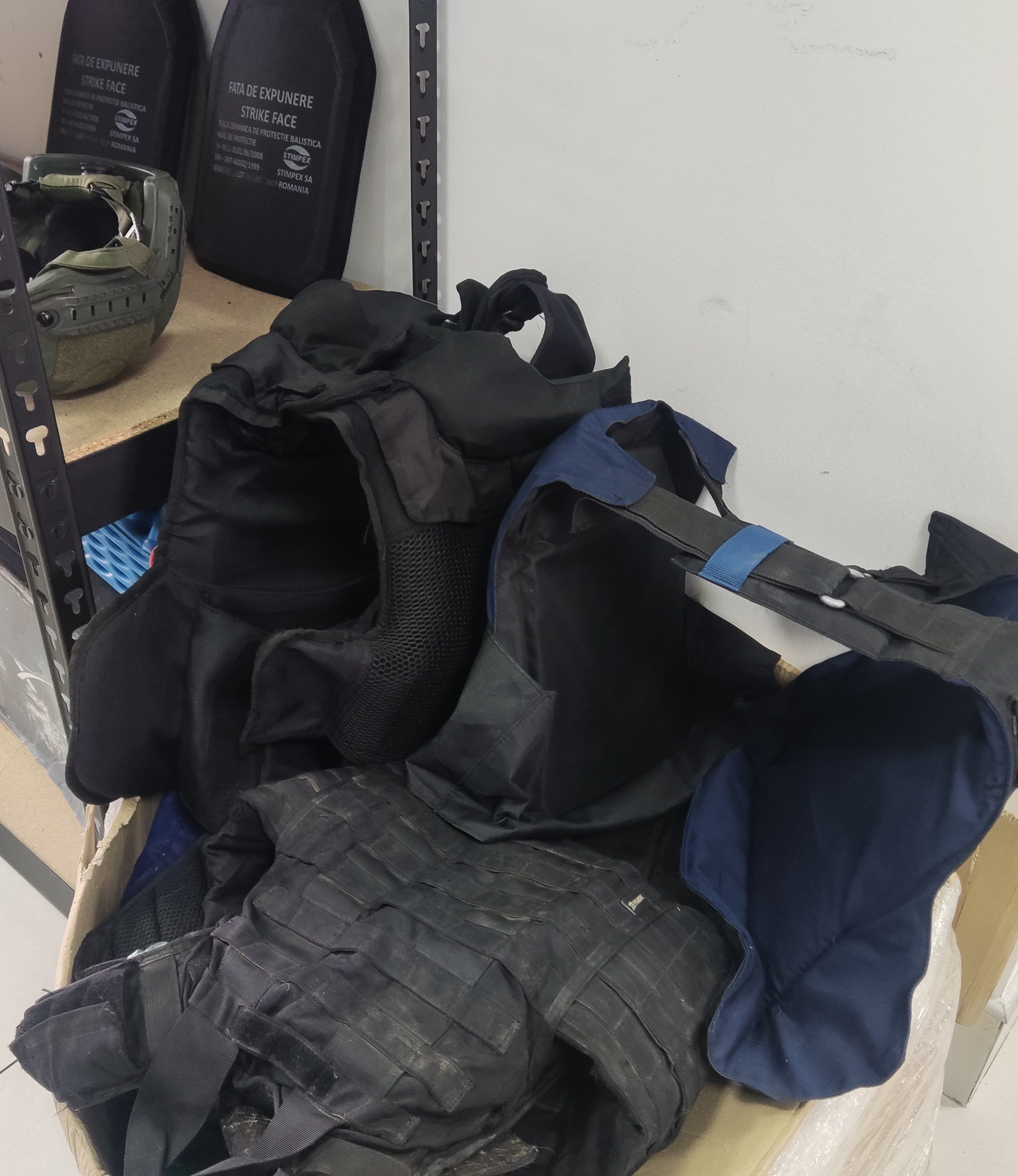
Around me, people drift in and out, picking up or dropping off camera equipment and other perfectly ordinary office items, like sleeping bags, helmets, and bulletproof vests. And through it all runs the usual newsroom banter.
Someone can be overheard describing the ordeal of getting a diesel engine started in -20°C. Nearby, a discussion breaks out over how to pronounce Gripen, the Swedish fighter jet expected to join Ukraine’s arsenal. I offer, wrongly, that it rhymes with “Titan.” Elsewhere, someone is getting into trouble for spelling Odesa with an extra s. Thankfully, no one ever misspells Kyiv—that would be a serious lapse, perhaps even sackable.
A question goes around: does anyone remember the website that tracks Russia’s war crimes? The sheer number is impossible to take in. Across the room, one editor is reminding everyone to put “Russian” before “attack”—war journalism 101: always name the aggressor, as everyone should—allies included.
The staff
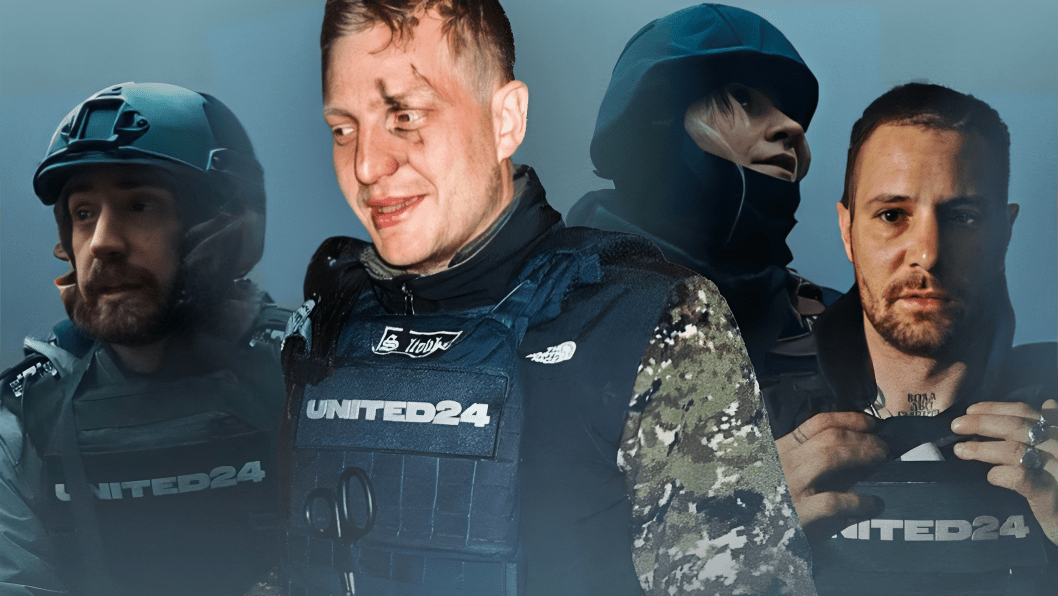
The team is a mixed bag. There are the seasoned journalists—you can tell them because they don’t chat, they practice GPT: good, proper typing. There are also video and sound technicians and producers, some of them from an entertainment industry largely frozen by the war. Many on the team served in the first years of the full-scale invasion and are still listed as active military.
Then there are the special correspondents. One day they might be interviewing historian Timothy Snyder in Kyiv, the next reporting from Kramatorsk or a trench in Kostiantynivka, both frontline cities in the Donetsk region. On another day, instead of a professor of war, they might be face to face with prisoners of war, including recently from Burundi and Belarus.
One assignment could mean spending four days in the Enchanted Forest with a fiber-optic drone unit helping hold the line and protect the infantry ahead of them. Another might place them with the surgeons and medics of the 4th Separate Medical Battalion of the 3rd Army Corps, or in the company of a separate artillery brigade near Kharkiv as it prepares, coordinates, and executes a strike under icy conditions.
The work they do speaks for itself. So does the work of journalists across Ukraine, who risk their lives to document Russia’s war and bring those stories to the wider world.
The evening
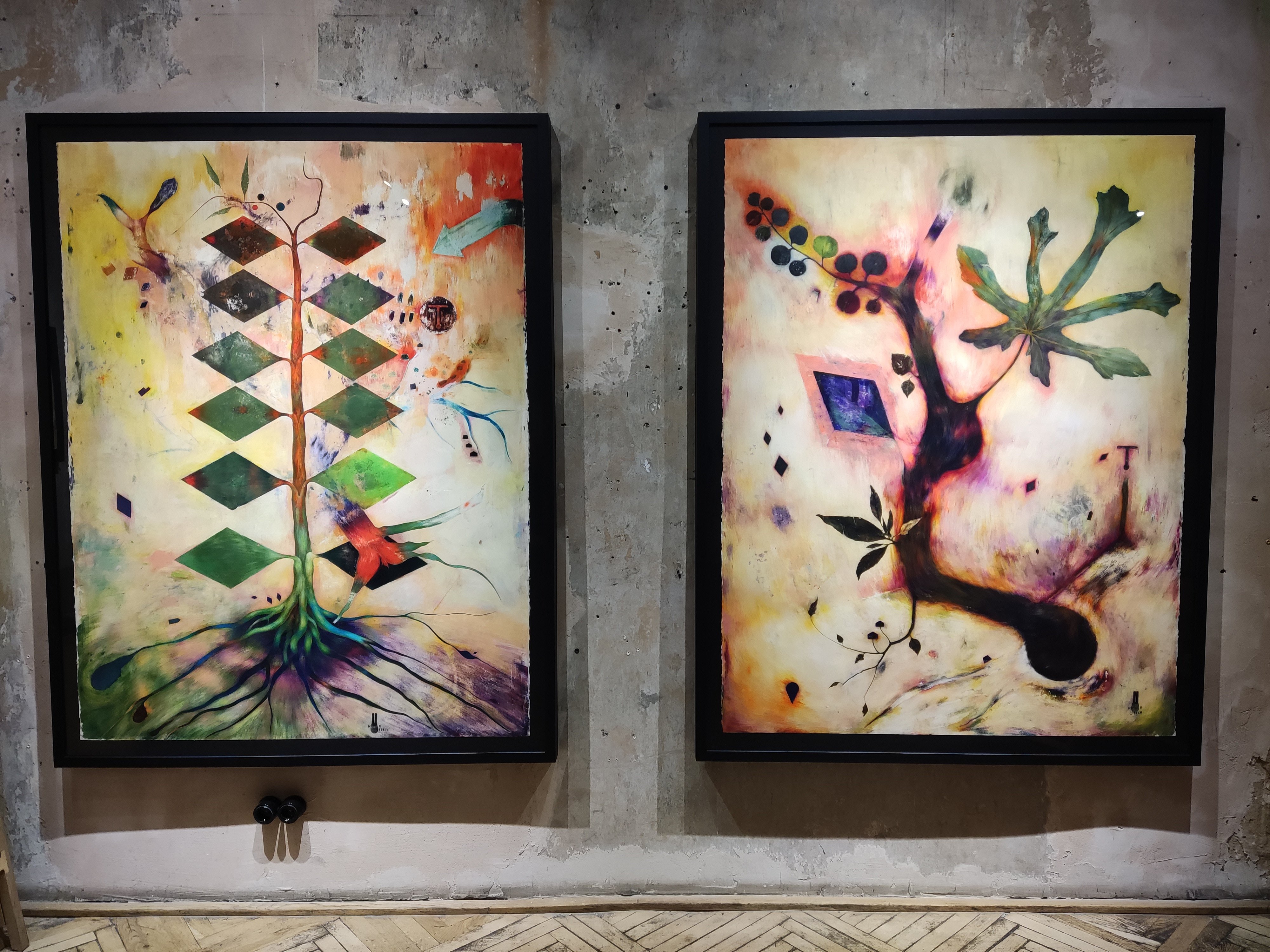
As the day was winding down at the office, I heard that Kharkiv graphic artist Pavlo Makov was presenting his new book, Abracadabra, at a gallery where a selection of his artwork was also on display. Everywhere I go, I carry my microphone kit in case a story presents itself and there is a chance to grab a few quotes. That evening, one did.
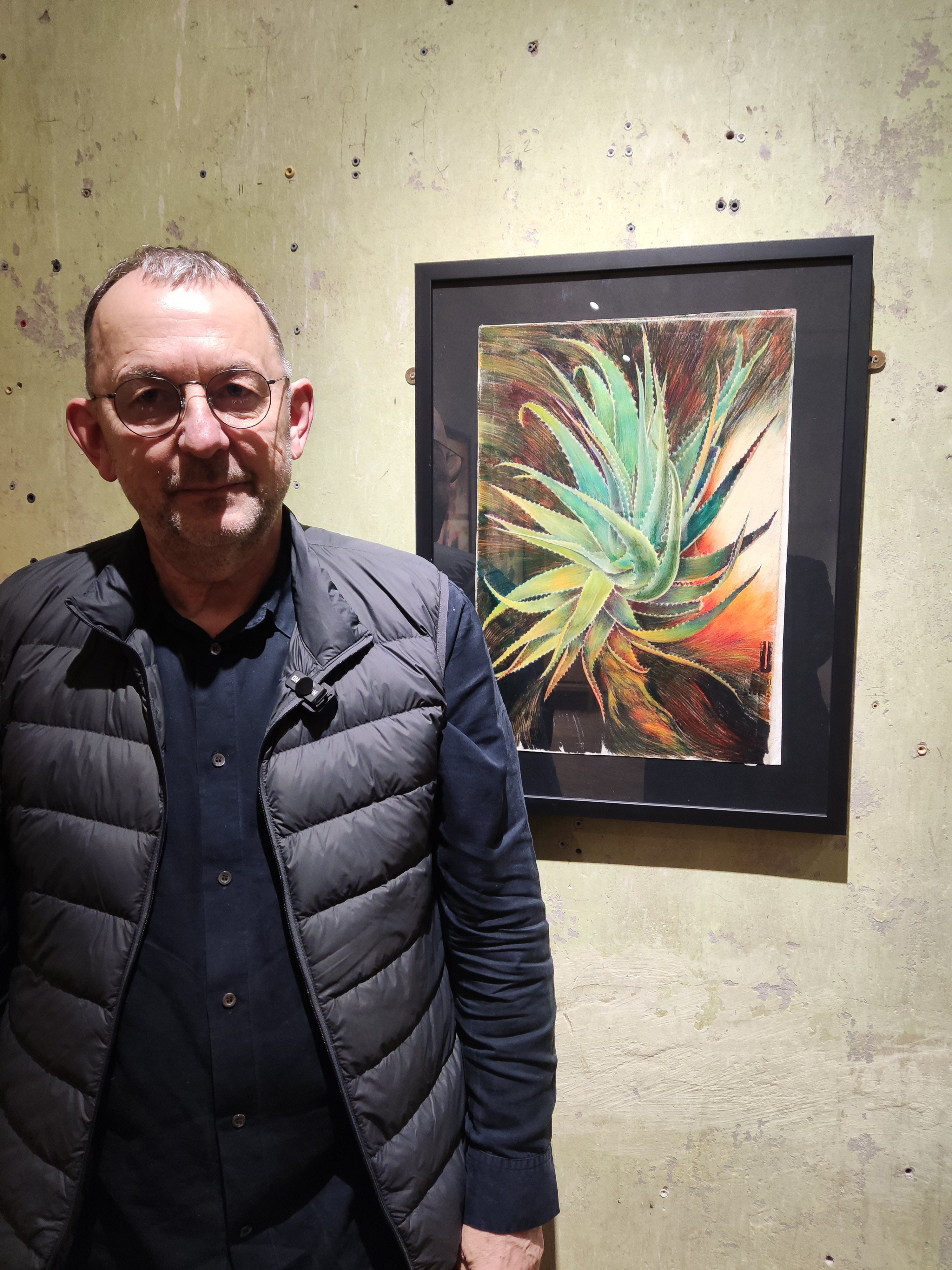
The conversation that followed had little to do with winter in any literal sense. Instead, Makov spoke about another kind of coldness, what he called a “cold world of technology,” which in his book takes the form of binary code, a metaphor for something “not touchable,” with a “definite loss of humanity” inside it. For him, it points to a world in which human beings are “lagging behind the technologies” they create.
“We still have a chance,” he said, when asked what message he would send to our readers. “It’s a fragile chance, but we still have a chance.” For Makov, Russia’s war against Ukraine is part of a larger struggle between two mentalities: “The one mentality which really is based on dignity and respect of the human life,” and another “based on absolutely different values,” where freedom itself is in question.
By the time I left the gallery, the big questions gave way to smaller ones. What was I going to have for dinner? As I approached my building gate, I saw the keypad lit up, which meant two things: the power was on, and tonight I had the simple comfort of being able to use the microwave.
Before bedtime, I make sure my phone, laptop, power stations—both of them—power banks—all six of them—lamps, and headlamps are all charging. You never know what the next day will knock out. By now, these routines can be exhausting, but they are also part of how people in Ukraine keep going in wartime.
Facing tomorrow
For all the ways Ukraine is still treated as a country that needs help, the world is increasingly looking here for answers too.
In recent weeks, specialists from Ukraine have been asked to help Gulf countries counter Iranian Shahed drones, lending expertise on a threat that people here know all too well. Where Iran once supplied Russia with these loitering munitions for attacks on Ukrainian cities, Moscow is now supplying Tehran with its own deadlier variants.
More broadly, NATO has been making the same point for years. As Secretary General Mark Rutte puts it, supporting Ukraine is not charity but “an investment in our own security.”
Turns out, after all this time, the Ukrainians are the ones saying it now: I got you—babe.
Discuss this article:

-4c422f6574674b417eac2384290103ac.jpg "Russia Left This Ukrainian Village 90% Mined. Here’s What Life There Looks Like Now")


-3a853f88a4a74bc05cf023d26995450c.jpg "Art Goes Underground in Zaporizhzhia as GOGOLFEST Returns 30 Km From Frontline")
-73e9c0fd8873a094288a7552f3ac2ab4.jpg "Photo of Olena Blizniakova")