- Category
- World
What You Need to Know Before the Trump-Putin Talks in Alaska
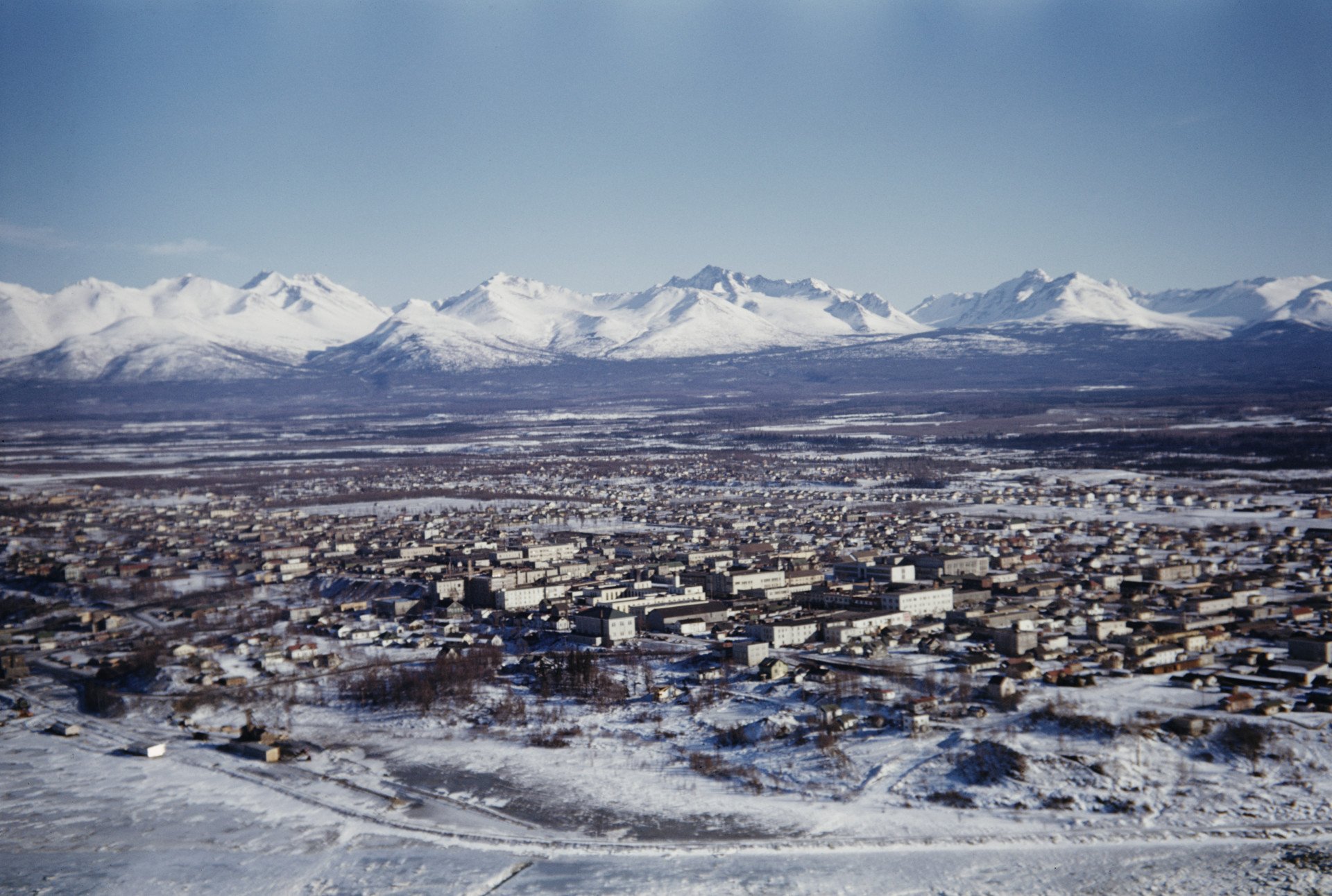
The Putin and Trump talks are set to happen at the summit in Alaska on August 15, where talks could impact Russia’s war in Ukraine. Here are the essentials to understand how we got here and what’s on the table.
 Prefer U24 Media on Google
- Authors


Background to the Alaska talks
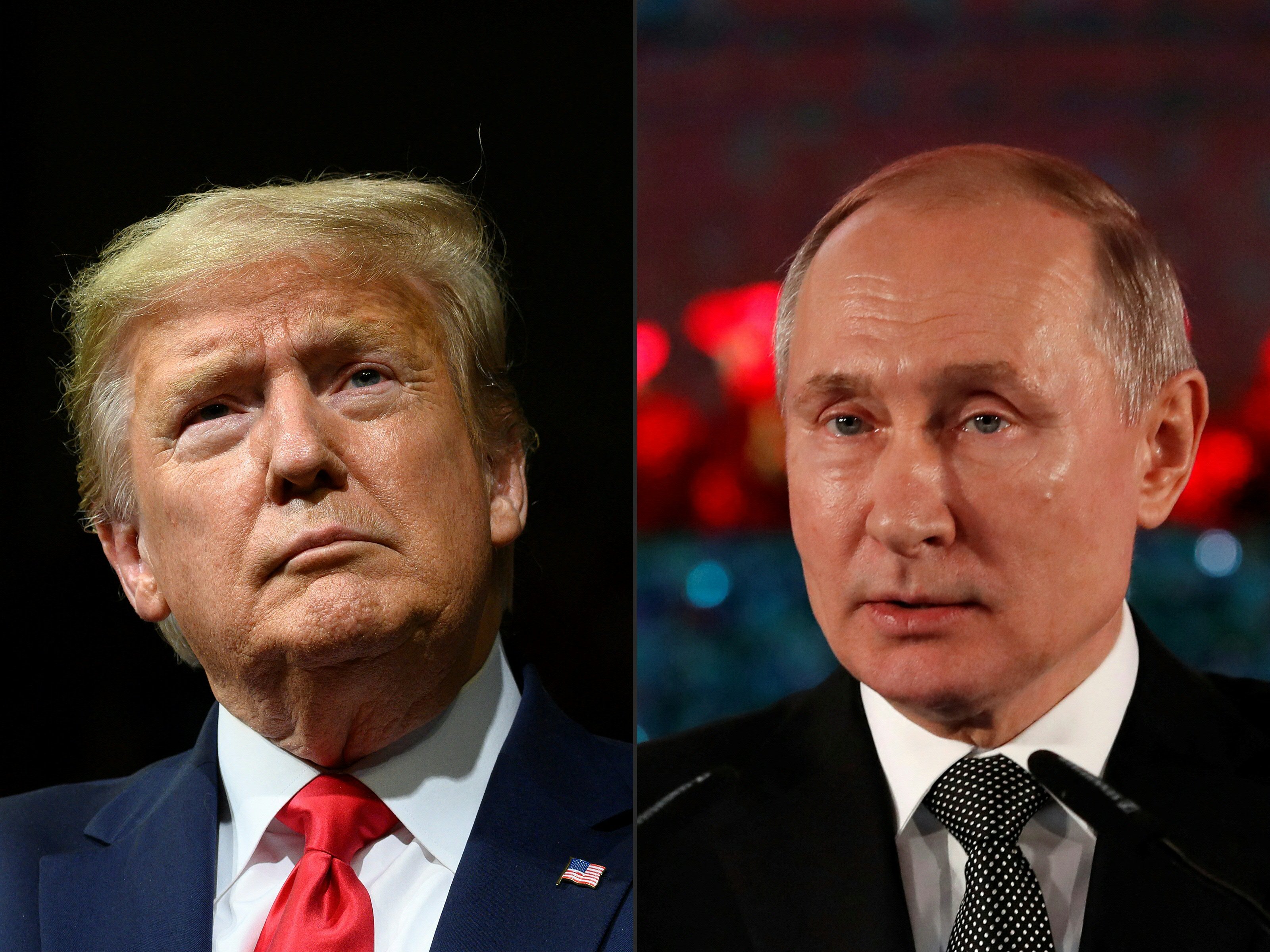
US President Donald Trump has been pushing to end Russia’s war in Ukraine. After Moscow refused to concede and escalated its attacks, he set an August 8 deadline for Putin to accept an immediate ceasefire or face tougher US sanctions. When the deadline passed without a deal, Trump instead announced that he and Putin would meet in person on August 15 in Alaska.
For Ukraine, this is a fight for survival against an occupying power—Russia—that has killed tens of thousands, abducted children, and erased entire towns. Any agreement reached in Alaska could decide the fate of millions still living under Russian occupation and set a precedent for whether borders can be changed by force in the 21st century.
The talks will take place as Russian troops intensify assaults along the front, seeking to seize more territory before the meeting. Moscow is pushing to secure and legitimize its illegal attempted annexations; Ukraine is holding a difficult frontline while its diplomats work to rally allies and push for security guarantees that can prevent future invasions.
Past “peace” deals with the Kremlin—from the Minsk Agreements to countless ceasefires—have collapsed as Russia used the breathing room to regroup and attack again.
Why are Trump and Putin meeting in Alaska?
Trump announced the summit would take place in the “great state of Alaska,” promising more details soon and describing the venue as “very popular for a number of reasons.”
The talks are set to take place in Anchorage. Only Joint Base Elmendorf-Richardson, on the city’s northern edge, meets the security requirements for the historic meeting, though the White House had hoped to avoid the optics of hosting the Russian leader and his entourage on a US military base, CNN reported.
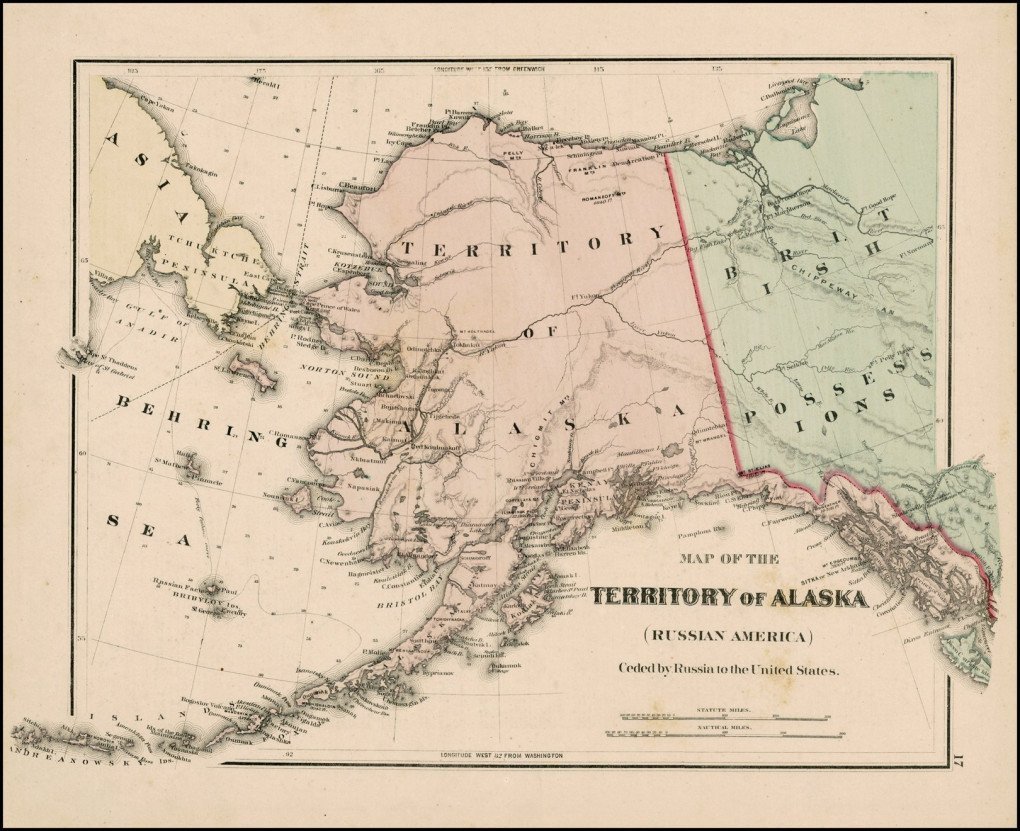
The United States purchased Alaska from the Russian Empire in 1867, ending Russia’s territorial presence in North America. While Moscow has made no formal claim since, Russian officials have revived references to Alaska ahead of the August 15 Trump–Putin summit.
Putin’s aide Yuri Ushakov called Alaska a “logical location” for the meeting, citing its proximity across the Bering Strait, which connects Russia and the US.
What will Trump and Putin talk about in Alaska?
The summit is officially framed as a one-on-one "listening exercise," designed to assess whether dialogue with Putin might lead to a ceasefire and broader negotiations to end the war that Russia started. Trump said he will attempt to secure the return of “some territory” for Ukraine during his meeting with Putin. Trump noted that he could know “within two minutes” of meeting Putin whether progress was possible and again floated the idea of “swapping, changes in land” between Russia and Ukraine, without specifying which territories could be involved.
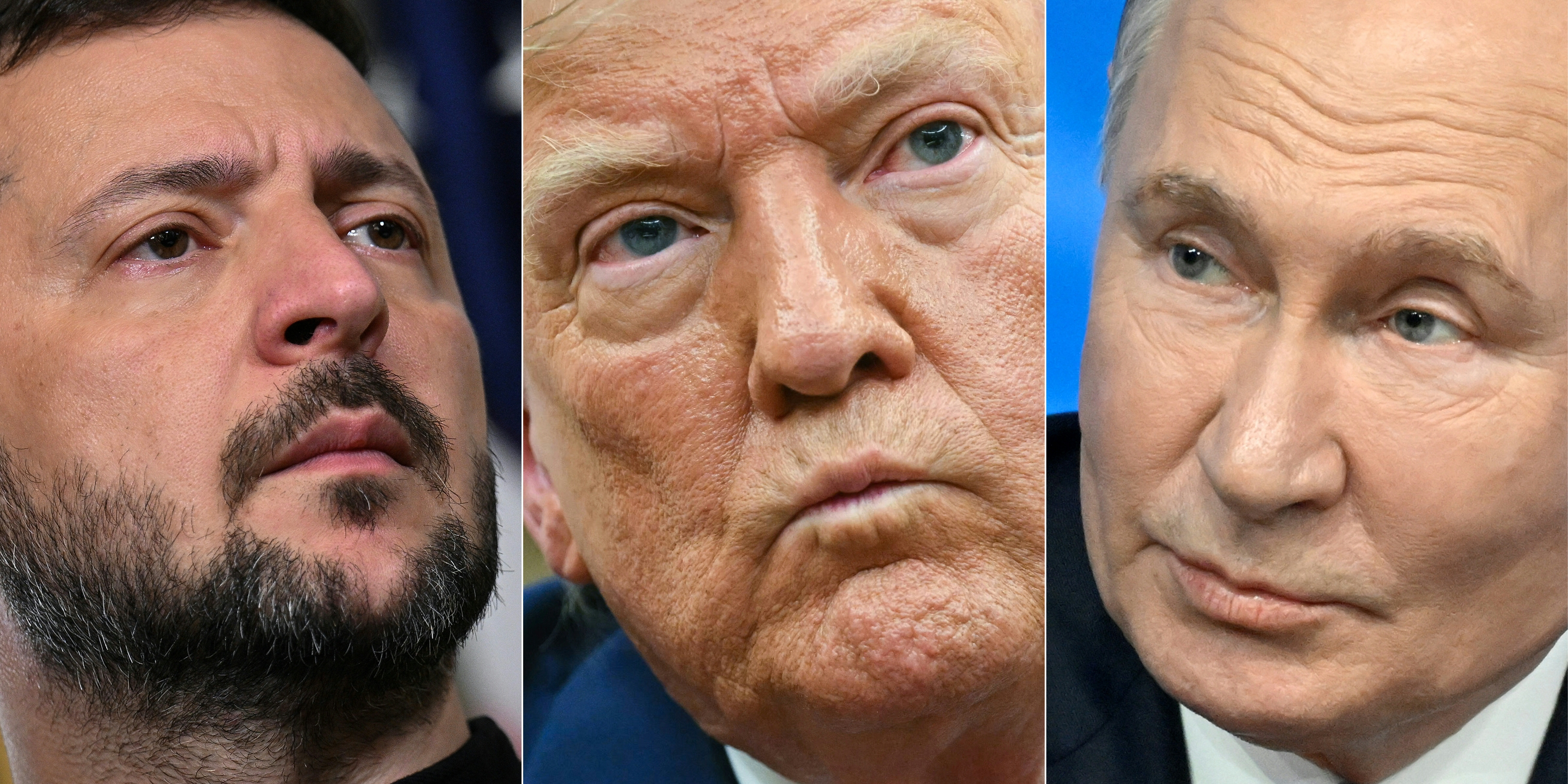
Ukraine has consistently rejected any notion of ceding land and has not claimed Russian territory.
Moscow is likely to push for formal recognition of territorial gains and assurances that Ukraine will not join NATO, as part of a broader strategic effort to reassert influence in the region. Putin reportedly sees the meeting as an opportunity to solidify control over occupied areas and reposition Ukraine within Russia’s sphere of influence.
Could Putin be arrested there?
The International Criminal Court issued a warrant for Putin’s arrest in 2023, complicating his travel abroad. However, the United States has not ratified the Rome Statute, and Trump—a vocal critic of the ICC—is unlikely to enforce it.
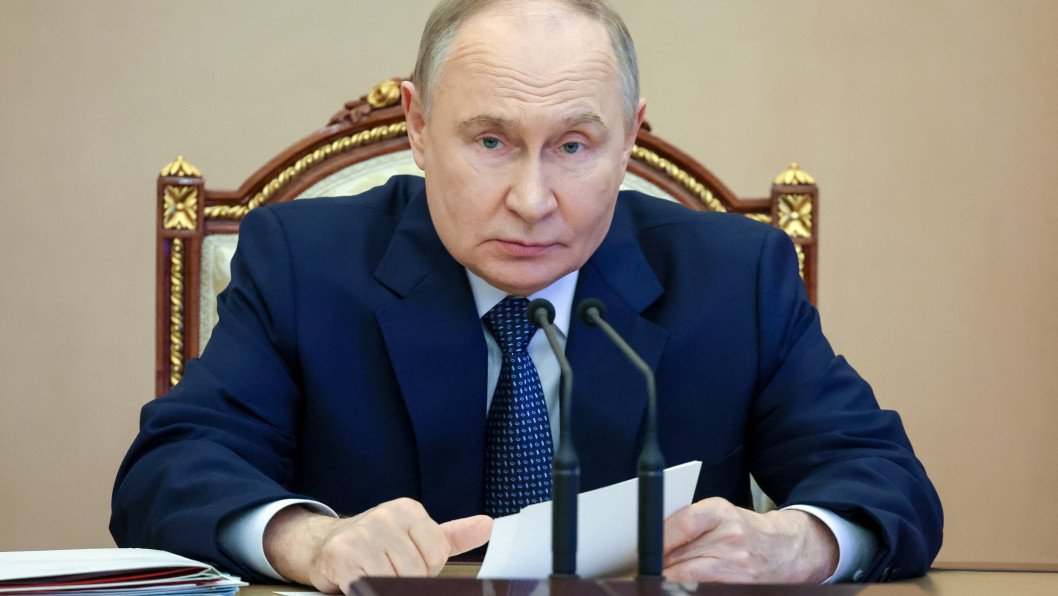
Meanwhile, Kirill Dmitriev, head of the Russian Direct Investment Fund and a lead negotiator for Moscow, described Alaska as “an American of Russian origin” and pointed to cultural and historical links.
“Alaska is ours” rhetoric has become a recurring theme in Russian political and media discourse, adding symbolic weight to holding talks on US soil once under Russian control.
Will Zelenskyy attend the meeting?
Trump confirmed at the press conference that Zelenskyy will not join his upcoming talks with Putin in Alaska. Zelenskyy has repeatedly called on Putin to meet face-to-face, but this appears unlikely. Analysts say Moscow is determined to avoid it, fearing that merely sitting beside Ukraine’s president would grant him the legitimacy the Kremlin works to deny.
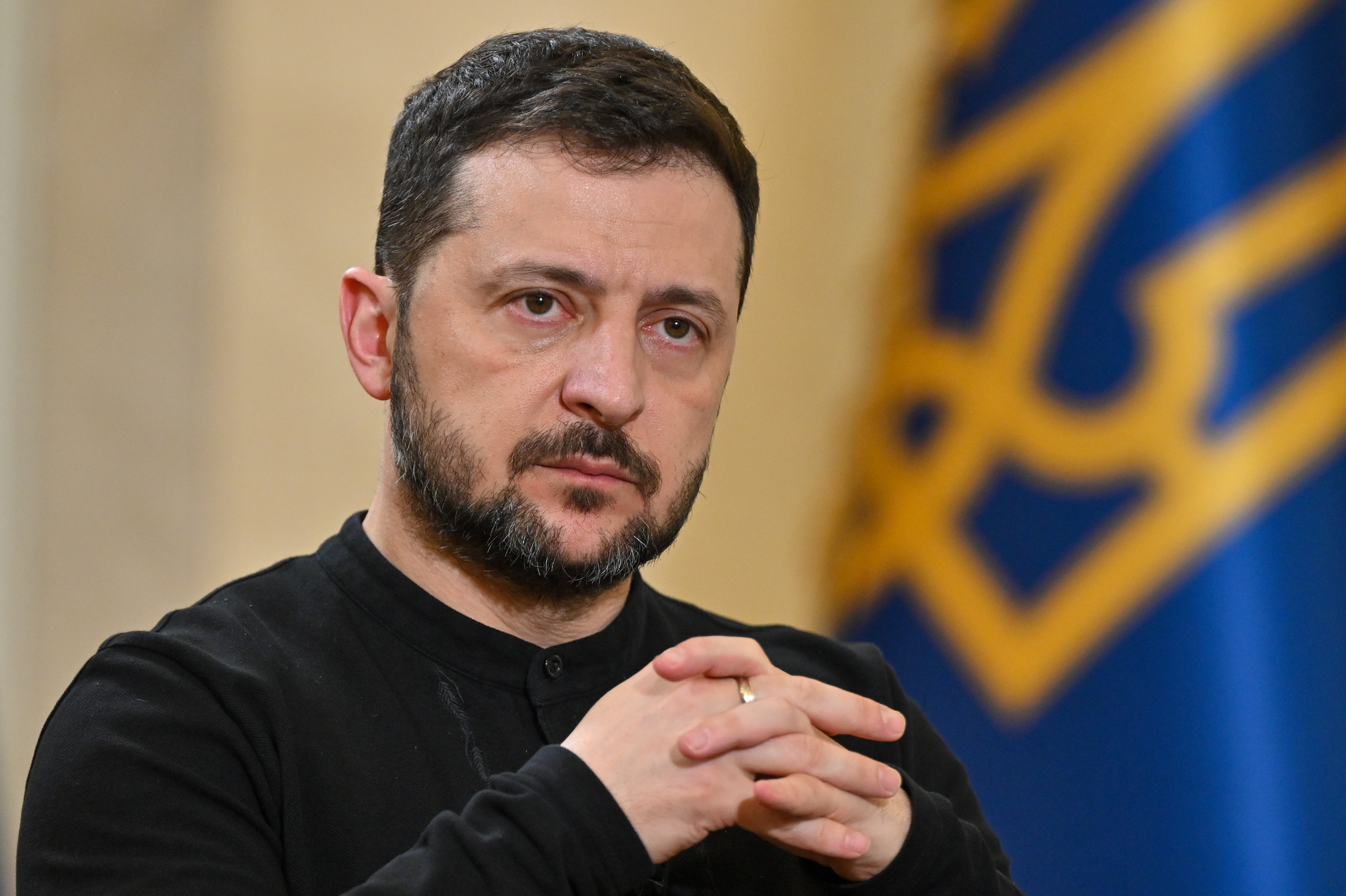
White House Press Secretary Karoline Leavitt told reporters that while only “one party in this two-party war” will be at the table, “you need both countries to agree to a deal,” underscoring that Ukraine’s consent is essential to ending the war.
Two days before the Trump-Putin summit in Alaska, Zelenskyy and top European leaders hold a meeting in Berlin to lock in a united front. Trump is joining via videoconference. The Berlin Summit will explore Russia’s territorial claims and potential security guarantees for Ukraine. Leaders from the UK, France, Italy, Poland, Finland, and the EU emphasize the need for a “just and lasting peace” with enforceable guarantees, avoiding any deal that could undermine Ukraine or Europe’s security.
Trump also said he would brief European leaders if Putin offered a “fair deal” and would call Zelenskyy first “out of respect.”
What is Ukraine’s position on the peace talks?
Zelenskyy has stated that Ukraine must be directly involved in any negotiations and that agreements reached without Kyiv’s participation will not be recognized. Several European partners have supported this position, noting that the outcome of such talks will have significant implications for the security and stability of the entire continent.
I am grateful to the leaders of Europe for their clear support of our independence, territorial integrity, and precisely such an active approach to diplomacy that can help end this war with a dignified peace.
— Volodymyr Zelenskyy / Володимир Зеленський (@ZelenskyyUa) August 12, 2025
Indeed, we all support President Trump’s determination, and together…
Zelenskyy has also repeatedly informed both negotiating parties that Ukraine’s constitution prohibits changes to its borders or the recognition of occupied territories as part of another state, meaning any settlement must regard such areas as occupied until they are returned to Ukrainian control.
The answer to the Ukrainian territorial question already is in the Constitution of Ukraine. No one will deviate from this—and no one will be able to. Ukrainians will not gift their land to the occupier.
— Volodymyr Zelenskyy / Володимир Зеленський (@ZelenskyyUa) August 9, 2025
Proposals discussed in international media have included the possibility of coordinated troop withdrawals in parts of the south and east. Ukrainian officials have expressed concern over the security risks such a withdrawal could create, as well as the humanitarian implications. Kyiv would face the task of evacuating an estimated 200,000 civilians from Ukrainian-held areas of Donbas, while those remaining in Russian-controlled areas could be vulnerable to abuse.
Ukraine is ready for real decisions that can bring peace. Any decisions that are against us, any decisions that are without Ukraine, are at the same time decisions against peace. They will not achieve anything. These are stillborn decisions. They are unworkable decisions. And we… pic.twitter.com/JFg0rIeLzP
— Volodymyr Zelenskyy / Володимир Зеленський (@ZelenskyyUa) August 9, 2025
Ukraine continues to press for one-for-one prisoner exchanges, including for detainees who have been unregistered for years. Human rights organizations have reported that Russia has denied independent monitors access to detention facilities. Ukrainian officials say any agreement must include enforceable guarantees and monitoring mechanisms to ensure compliance.
Timeline of events leading to the Alaska talks
January 20, 2025: Donald Trump is inaugurated as the 47th President of the United States, stating that ending the war in Ukraine is a priority for his administration.
February 12, 2025: Trump holds a 90-minute call with Putin proposing a Ukraine–Russia ceasefire, with Saudi Arabia floated as the venue for talks. Initial negotiations begin but collapse without agreement.
February–March 2025: Ukraine and several European governments voice concern over being excluded from initial US-Russia discussions. In response, the United Kingdom and France coordinate a 31-country coalition, known as the “Coalition of the Willing,” to continue military support for Ukraine and prepare for a potential peacekeeping mission.
June 1, 2025: Ukraine carries out Operation Spiderweb, a coordinated drone strike targeting five Russian airbases deep inside Russian territory, damaging multiple aircraft and altering the operational situation.
June 2025: Russia escalates missile and drone attacks on Ukraine, conducting some of the largest strikes of the war, resulting in hundreds of civilian deaths and widespread infrastructure damage.
June 2, 2025: Russia and Ukraine conduct a prisoner exchange during talks in Istanbul, involving severely wounded soldiers, fighters aged 18 to 25, and the return of thousands of bodies from the front lines.
July 2025: US Senators Lindsey Graham and Richard Blumenthal propose secondary sanctions on countries continuing to do business with Russia, including potential tariffs on nations such as India.
July 29, 2025: Trump sets an August 8 deadline for Russia to agree to a peace deal, warning that failure to do so will trigger secondary sanctions on Russia’s trade partners.
August 6, 2025: US Special Envoy Steve Witkoff meets with Vladimir Putin in Moscow for three hours, describing the talks as “productive,” though no breakthrough is reached, and Putin delays committing to terms. The same day, President Trump announced secondary sanctions, including a tariff increase on Indian imports to a total of 50%, targeting countries that continue to purchase Russian oil.
August 8, 2025 – As the deadline for US President Donald Trump’s ultimatum to the Kremlin expired, Russia launched a large-scale overnight drone assault on Ukraine, injuring at least six civilians across multiple regions. Ukraine’s Air Force reported 104 drones launched from five directions
Discuss this article: